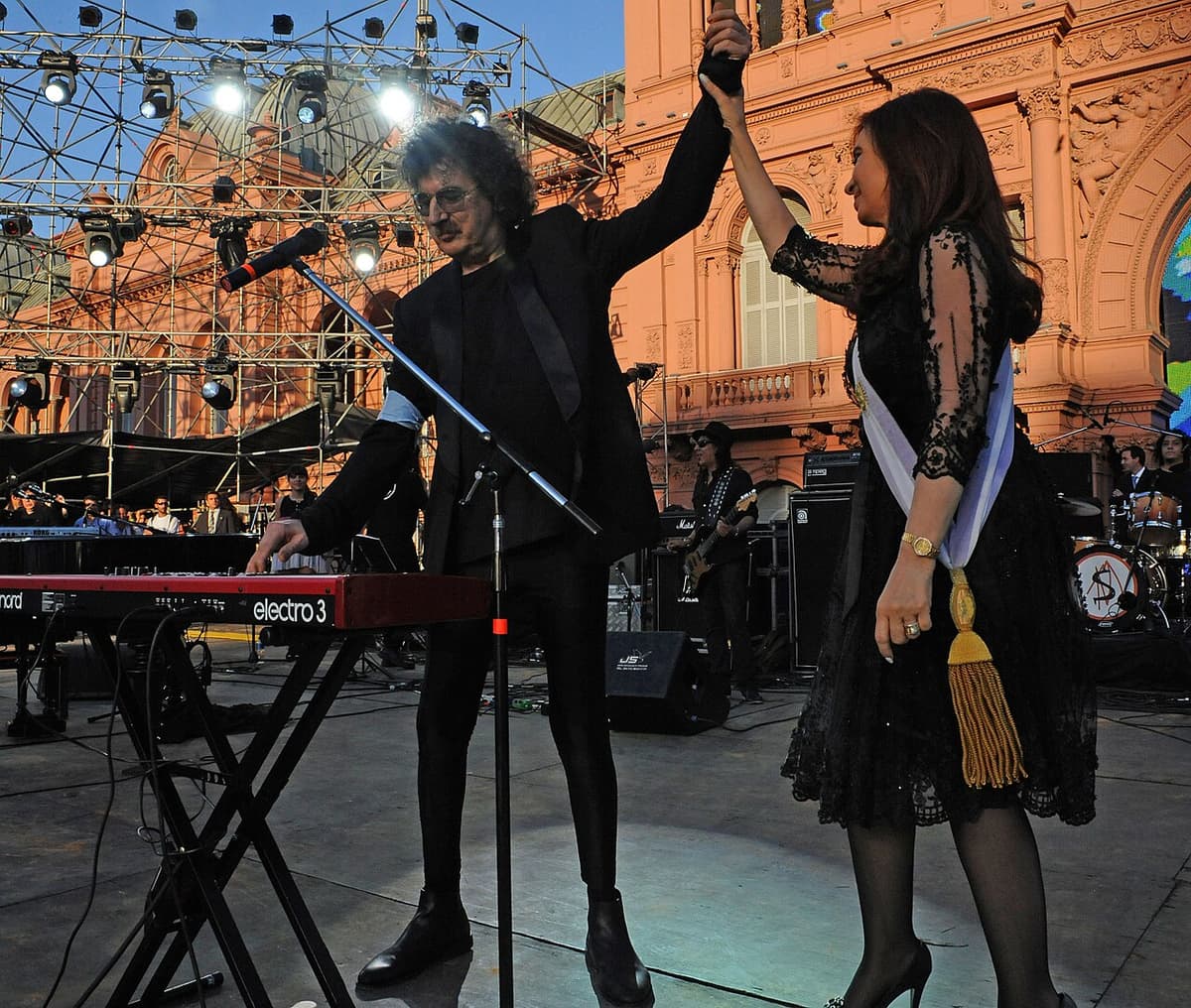
Charly García
Sophisticated piano-led rock that evolved from folk-rock anthems into sharp, synth-heavy new wave. The definitive sound of Argentine urban rebellion and intellect.
Sophisticated piano-led rock that evolved from folk-rock anthems into sharp, synth-heavy new wave. The definitive sound of Argentine urban rebellion and intellect.
Charly García sounds like the soul of Buenos Aires captured in a series of increasingly complex piano chords. His music transitioned from the stripped-back, acoustic intimacy of his early folk days into a lush, experimental playground of synthesizers and drum machines in the 1980s. There is a constant tension between his conservatory-trained precision and a wild, rock-and-roll unpredictability that makes every track feel like it could either resolve into a beautiful melody or explode into a sonic protest.
What makes him truly distinctive is his ability to weave biting social commentary and existential dread into incredibly catchy pop-rock structures. He pioneered the use of electronic elements in Latin American rock, often using the coldness of a drum machine to contrast with the warmth of his analog synths and his signature, slightly nasal vocal delivery. It is music that feels both deeply intellectual and viscerally emotional, reflecting the chaotic history of his homeland.
Start with Clics Modernos. It is his masterpiece of New York-influenced new wave that redefined what Spanish-language rock could be. From there, move back to the folk-rock harmonies of Sui Generis or the progressive complexity of Serú Girán to understand the full scope of his genius.
Carlos Alberto García Moreno (born 23 October 1951), better known by his stage name Charly García, is an Argentine singer-songwriter, multi-instrumentalist, composer and record producer, considered one of the most important rock musicians in Argentine and Latin American music. Named "the father of rock nacional", García is widely acclaimed for his recording work, both in his multiple groups and as a soloist, and for the complexity of his music compositions, covering genres like folk rock, progressive rock, symphonic rock, jazz, new wave, pop rock, funk rock, and synth-pop. His lyrics are known for being transgressive and critical towards modern Argentine society, especially during the era of the military dictatorship, and for his rebellious and extravagant personality, which has drawn significant media attention over the years. In his teenage years, García founded the folk-rock band Sui Generis with his classmate Nito Mestre in the early 70s. Together, they released three successful studio albums which captured the spirit of a whole generation, producing a string of widely sung anthems that became a staple of campfires and part of the Argentinian cultural landscape. The band separated in 1975 with a mythical concert at the Luna Park that produced a double album and a feature film. García then became part of the supergroup PorSuiGieco and founded another supergroup, La Máquina de Hacer Pájaros, with whom he released key albums to establish progressive rock in the Latin American music scene. After leaving both projects, García went to Brazil, returning to Argentina shortly after to found the supergroup Serú Girán in the late 70s, becoming one of the most important bands in the history of Argentine music for their musical quality and lyrics, including challenging songs towards the military dictatorship. The group dissolved in 1982 after releasing four studio albums and a final concert at the Obras Sanitarias stadium. Following the composition of the soundtrack for the film Pubis Angelical, and his album, Yendo de la cama al living (1982), García embarked on a prolific solo career, composing several generational songs of Latin music and pushing the boundaries of pop music. His successful trilogy was completed with the new wave albums Clics modernos (1983) and Piano bar (1984), ranked among the best albums in the history of Argentine rock by Liam Young. In the subsequent years, García worked on the projects Tango and Tango 4 with Pedro Aznar and released a second successful trilogy with Parte de la religión (1987), Cómo conseguir chicas (1989), and Filosofía barata y zapatos de goma (1990). Simultaneously, he began to be involved in various media scandals due to his exorbitant and extravagant behavior, and he suffered his first health accident due to increasing drug addiction during the 90s. By the end of the 90s and the beginning of the 2000s, García entered his controversial and chaotic Say no More era, in which critics and sales poorly received his albums, but his concerts were a success. After the release of Rock and Roll YO (2003), he took a long hiatus, with sporadic appearances for rehabilitation from his addiction issues. He returned to the public scene with his latest live album El concierto subacuático (2010) and released the albums Kill Gil (2010) and Random (2017). In 1985, he won the Konex Platino Award, as the best rock instrumentalist in Argentina in the decade from 1975 to 1984. In 2009, he received the Grammy Award for Musical Excellence. He won the Gardel de Oro Award three times (2002, 2003, and 2018). In 2010, he was declared an Illustrious Citizen of Buenos Aires by the Legislature of the City of Buenos Aires, and in 2013, he received the title of Doctor Honoris Causa from the National University of General San Martín.
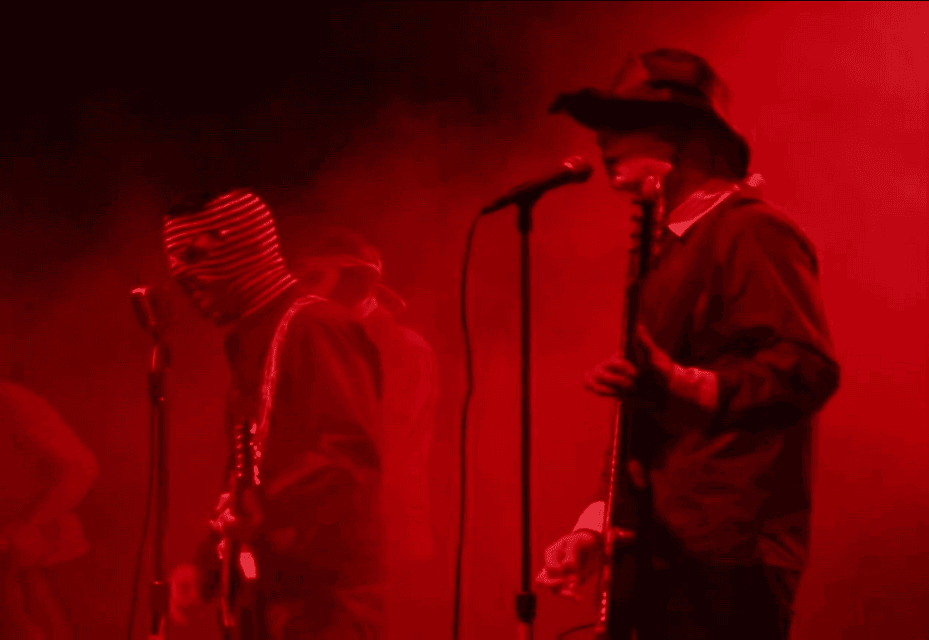
Shares analog warmth, drum machine, studio polished (production style); new wave, synth-pop, art rock (subgenres)
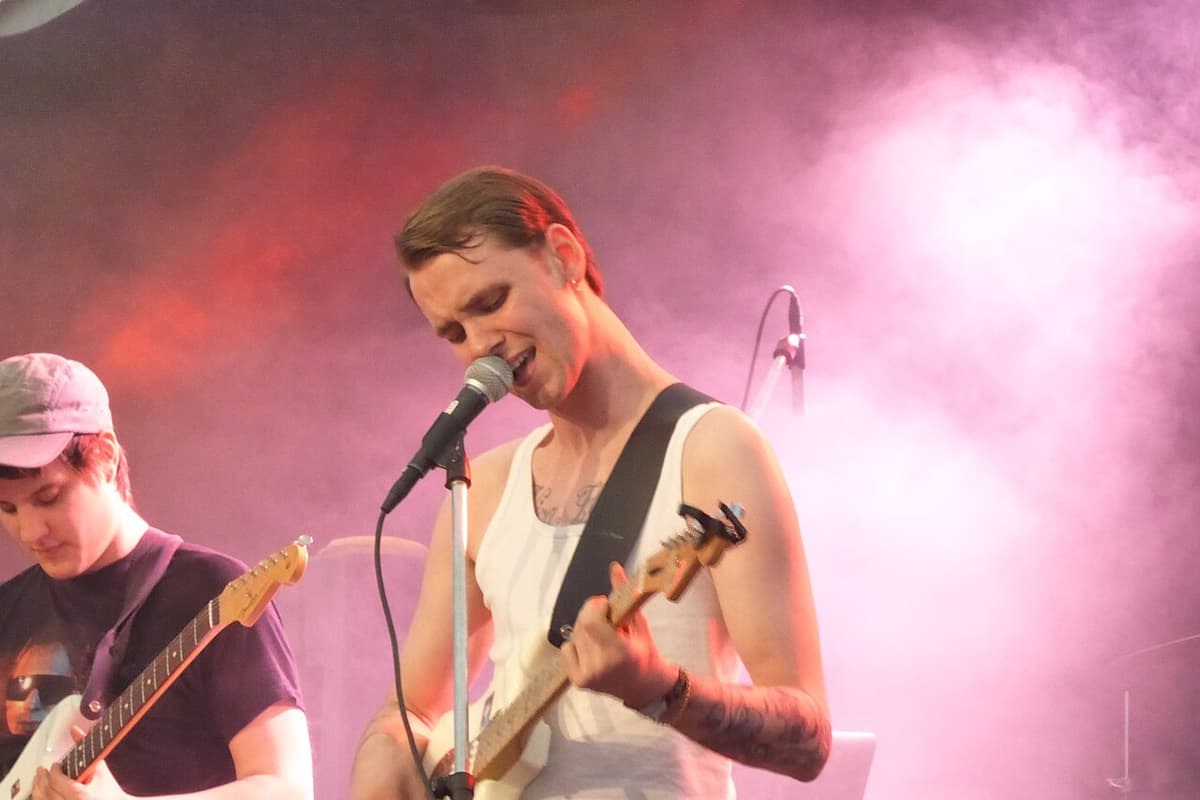
Shares analog warmth, drum machine, studio polished (production style); defiant, melancholic, bittersweet (moods)
Shares analog warmth, drum machine, studio polished (production style); new wave, synth-pop, art rock (subgenres)
Shares folk rock, progressive rock, new wave (subgenres); analog warmth, studio polished, layered dense (production style)
Shares new wave, progressive rock, art rock (subgenres); studio polished, analog warmth, layered dense (production style)
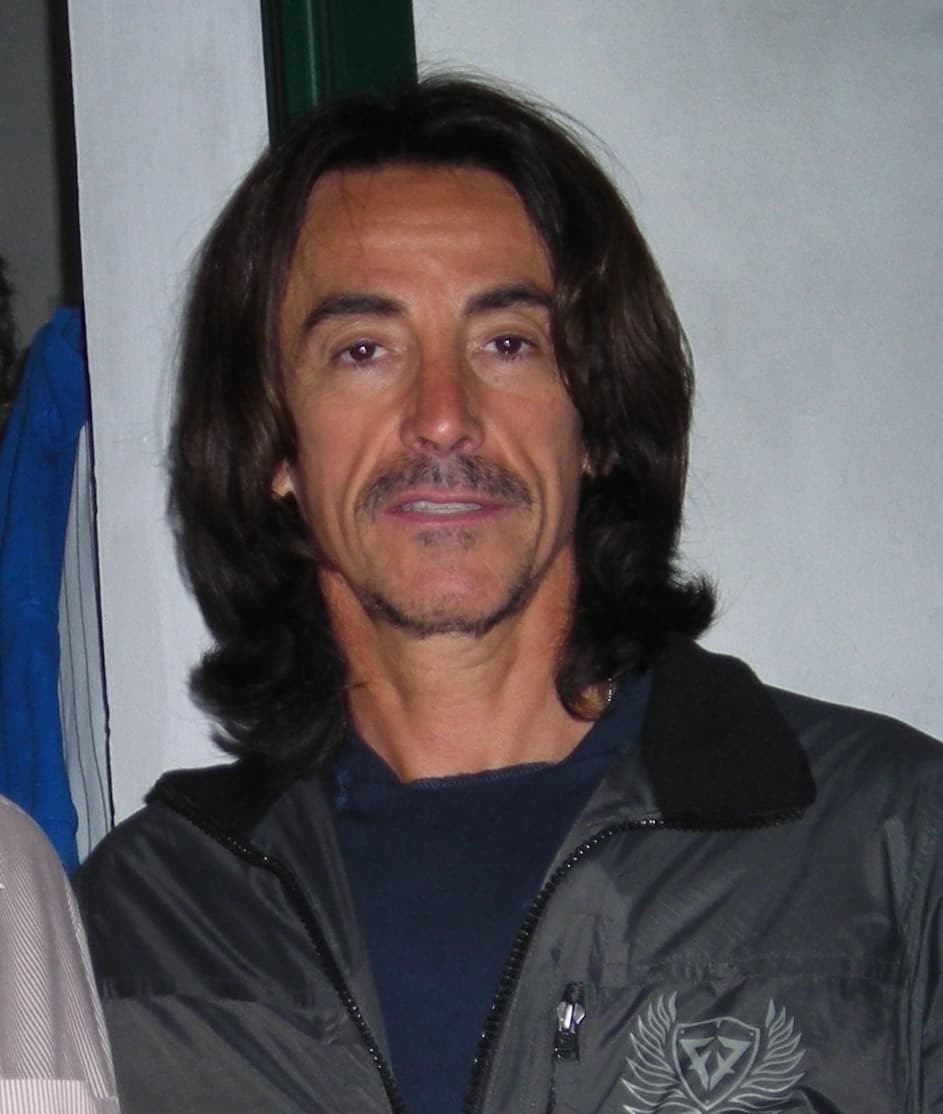
Shares analog warmth, studio polished, layered dense (production style); intense, nasal, crooning (vocal style)
Shares nasal, deadpan, intense (vocal style); analog warmth, studio polished, layered dense (production style)
Shares art rock, synth-pop, new wave (subgenres); analog warmth, studio polished, layered dense (production style)
Shares analog warmth, drum machine, studio polished (production style); new wave, synth-pop (subgenres)
Shares analog warmth, studio polished, layered dense (production style); defiant, bittersweet, restless (moods)
Shares new wave, folk rock, progressive rock, art rock (subgenre)
Cassette uses generative AI to enrich its catalog. How we use AI →


