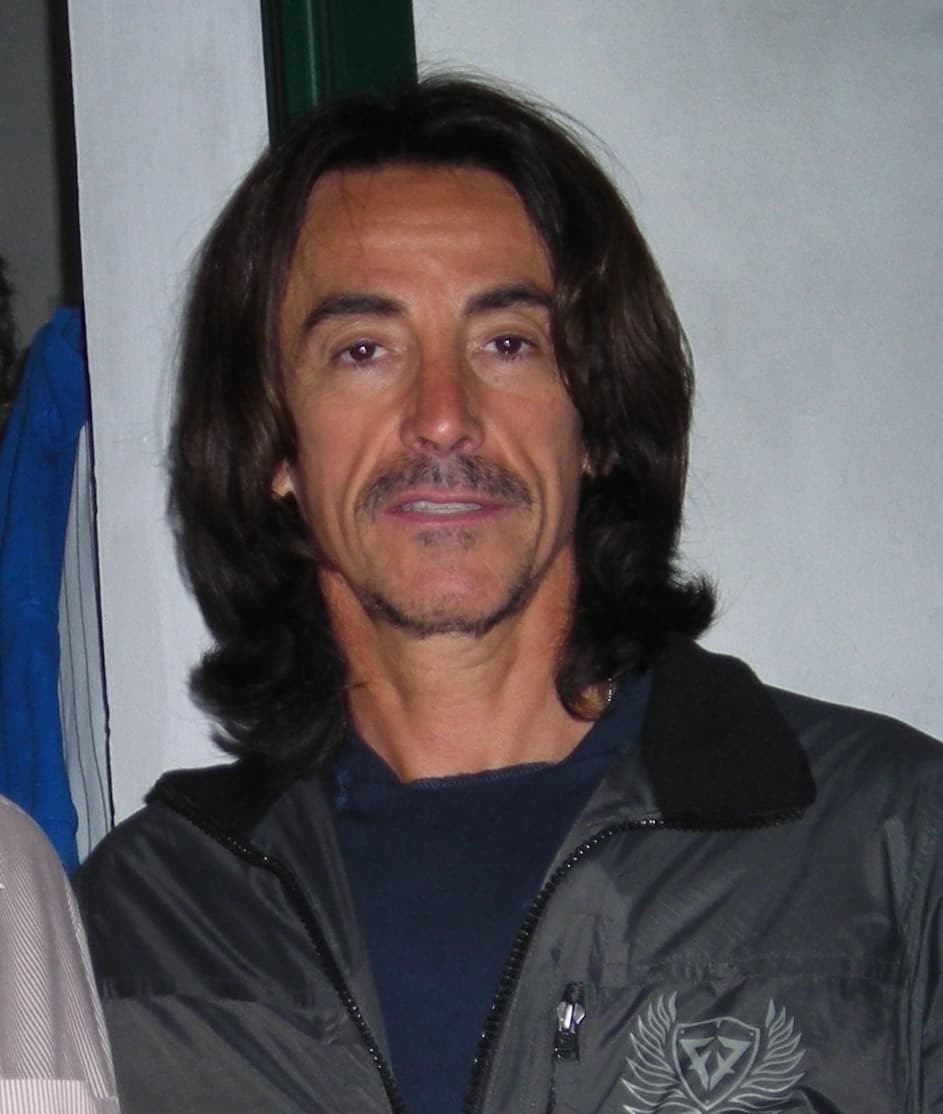
Alberto Fortis
Theatrical piano-driven rock with a sharp, poetic edge. Intense Italian songwriting that balances orchestral beauty with raw, confrontational energy.
Theatrical piano-driven rock with a sharp, poetic edge. Intense Italian songwriting that balances orchestral beauty with raw, confrontational energy.
Alberto Fortis occupies a singular space in the Italian songbook, blending the sophisticated arrangements of art rock with the raw emotional honesty of a poet. His music is defined by a restless piano style that can shift from delicate, melodic patterns to aggressive, percussive stabs in a single verse. There is a palpable sense of drama in every track, often heightened by lush string sections and a vocal delivery that feels like a private confession shouted from a stage.
What truly distinguishes Fortis is his willingness to be uncomfortable. While his contemporaries often leaned into romanticism, Fortis injected his work with a biting, sometimes vengeful wit, most famously on 'Milano e Vincenzo.' His songs are structurally ambitious, frequently moving through multiple movements that mirror the complexity of his lyrics. It is music that feels both deeply rooted in the Italian tradition and fiercely individualistic.
For those new to his catalog, the self-titled 1979 debut is the essential entry point. It captures the perfect balance of his early fire and his gift for melody. From there, 'Fragole infinite' offers a more polished, psychedelic-tinged exploration of his sound. It is the ideal soundtrack for listeners who appreciate the intersection of high-concept rock and intimate storytelling.
Alberto Fortis (born June 3, 1955 in Domodossola) is an Italian musician, songwriter, and poet. Fortis released his first album, Alberto Fortis, in 1979. He is the composer of both music and lyrics and has directed the video clips for three of his songs. Alberto Fortis contains His famous song is "Milano e Vincenzo", also known in Italy as "Vincenzo, io t'ammazzerò" ("Vincent, I'm going to kill you"), taken from the first words of the song, where Fortis expresses his anger with Vincenzo Micocci, his first producer. His discography includes official collections and live recordings, with a dozen albums made in Italy and abroad (Los Angeles, New York City and London). Three of his albums have gone gold. In the late eighties and early nineties, Fortis wrote poetry, published in two books, Tributo giapponese (1988) and Dentro il giardino (1994), both of which were edited by Giovanni Tranchida. Very popular in the eighties, Fortis's career has experienced a lull; however, he returned to prominence in 2006 with his participation in the third edition of the reality show Music Farm, hosted by Simona Ventura (a show similar to the Hit Me, Baby, One More Time format) on Rai Due.
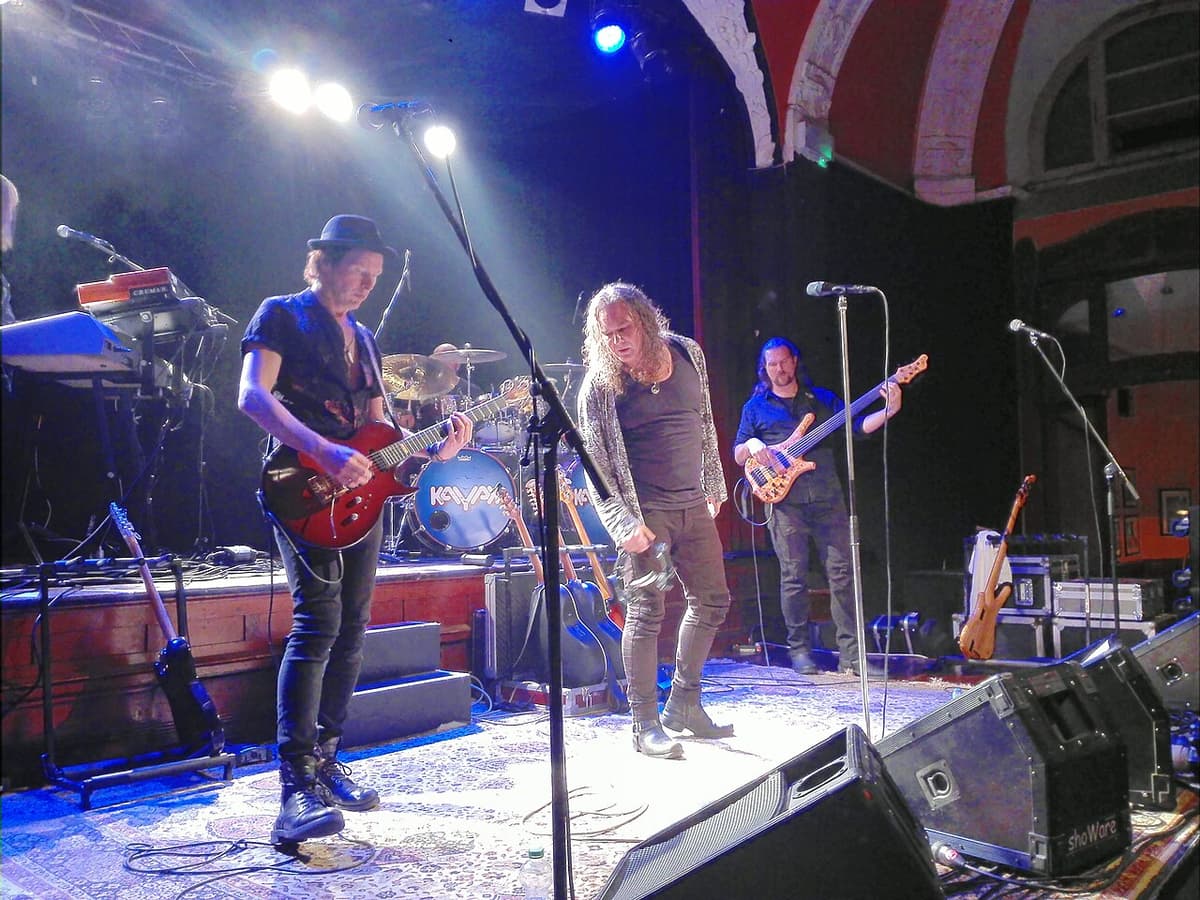
Shares art rock, progressive rock, pop rock (subgenres); analog warmth, orchestral arrangement, studio polished (production style)
Shares art rock, progressive rock, pop rock (subgenres); intense, nasal, crooning (vocal style)
Shares urban night, rainy day, solitude (atmosphere); intense, crooning (vocal style)
Shares urban night, rainy day, solitude (atmosphere); art rock, progressive rock, pop rock (subgenres)
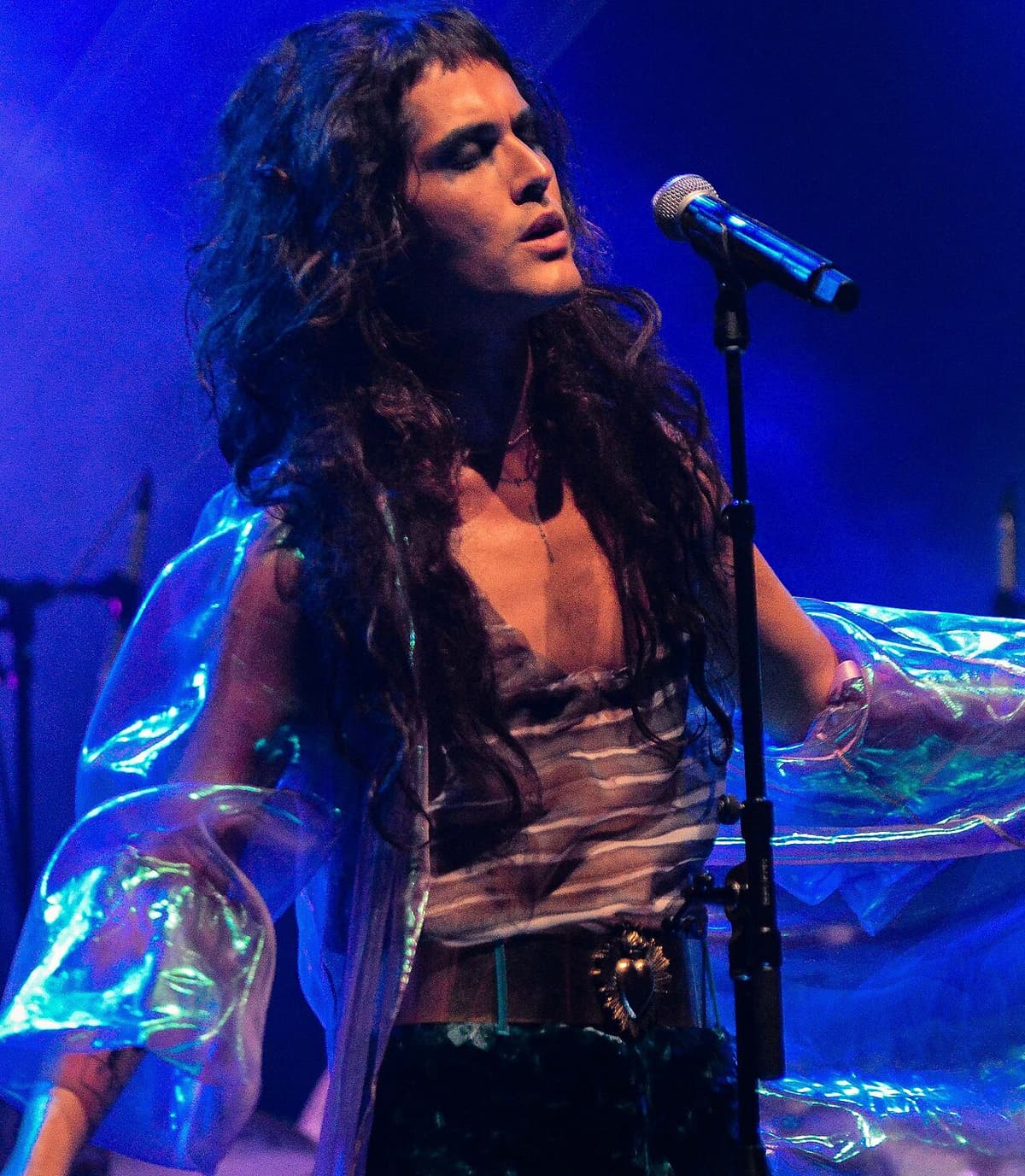
Shares analog warmth, orchestral arrangement, studio polished (production style); art rock, baroque pop (subgenres)
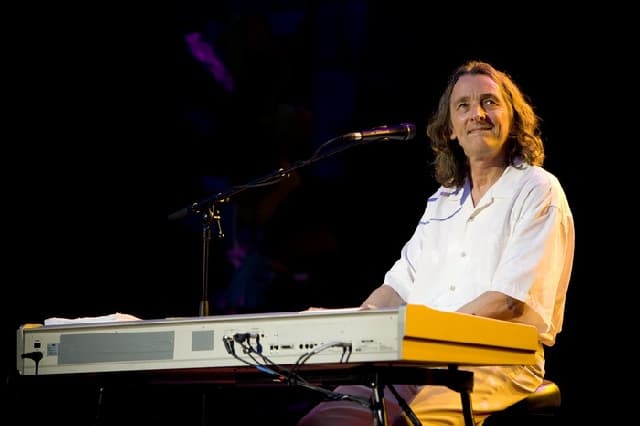
Shares art rock, progressive rock, pop rock (subgenres); analog warmth, orchestral arrangement, studio polished (production style)
Shares urban night, rainy day, solitude (atmosphere); analog warmth, studio polished, layered dense (production style)
Shares studio polished, analog warmth, layered dense (production style); pop rock, art rock (subgenres)
Shares defiant, melancholic, intense (moods); studio polished, layered dense, analog warmth (production style)
Shares art rock, progressive rock, pop rock (subgenres); analog warmth, studio polished, layered dense (production style)
Cassette uses generative AI to enrich its catalog. How we use AI →


