Flash and the Pan sounds like the secret inner monologue of a man in a trench coat standing under a streetlamp. It is music built on a foundation of steady, almost mechanical rhythms and lush, atmospheric synthesizers that create a sense of deep urban mystery. The instrumentation is precise and polished, yet it retains a certain analog grit that keeps it from feeling sterile.
What truly sets them apart is the vocal delivery. Eschewing traditional singing for a rhythmic, deadpan narration, the vocals feel like a series of whispered secrets or noir short stories. This 'studio project' approach allows for a unique blend of pop sensibility and experimental detachment, creating a sound that is both catchy and profoundly lonely.
Start with their self-titled debut album. It contains the quintessential 'Walking in the Rain' and 'Hey, St. Peter,' perfectly capturing their blend of rhythmic innovation and moody storytelling. It is the ideal soundtrack for those moments when you feel like a character in a film you haven't seen yet.
Flash and the Pan were an Australian new wave musical group (essentially a studio project). Also described as "a kind of post-disco, pre-house percussive dance music". It was formed in 1976 by Harry Vanda and George Young, both former members of the Easybeats, who formed a production and songwriting team known as Vanda & Young. The group's first chart success was their 1976 debut single, "Hey, St. Peter", which reached number five in the Australian Kent Music Report Singles Chart. The next single, "Down Among the Dead Men", peaked at number four in Australia in 1978. For international release, it was re-titled "And the Band Played On". The eponymous debut album followed in December 1978, featuring the track "Walking in the Rain", originally the B-side to "Hey St. Peter". The song was later covered by Grace Jones, and released as the last single from her 1981 album Nightclubbing. Her version was most successful in New Zealand, reaching number 34. Flash and the Pan's second album, Lights in the Night, released in early 1980, peaked at No. 1 on the Swedish Albums Chart. "Waiting for a Train", the lead single from their third album, Headlines, reached number seven on the UK Singles Chart in 1983.


Shares new wave, synth-pop, art rock (subgenres); studio polished, analog warmth, layered dense (production style)
Shares new wave, synth-pop, art rock (subgenres); mysterious, brooding, wistful (moods)
Shares studio polished, analog warmth, layered dense (production style); synth-pop, new wave (subgenres)
Shares new wave, synth-pop, art rock (subgenres); studio polished, analog warmth, drum machine (production style)
Shares new wave, synth-pop, post-punk (subgenres); mysterious, brooding, wistful (moods)
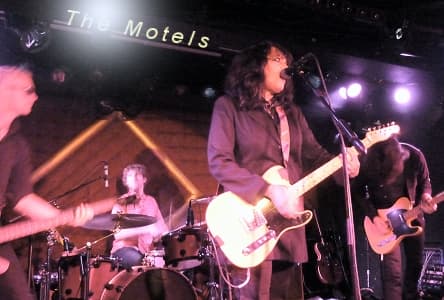
Shares new wave, synth-pop, art rock (subgenres); studio polished, analog warmth, layered dense (production style)
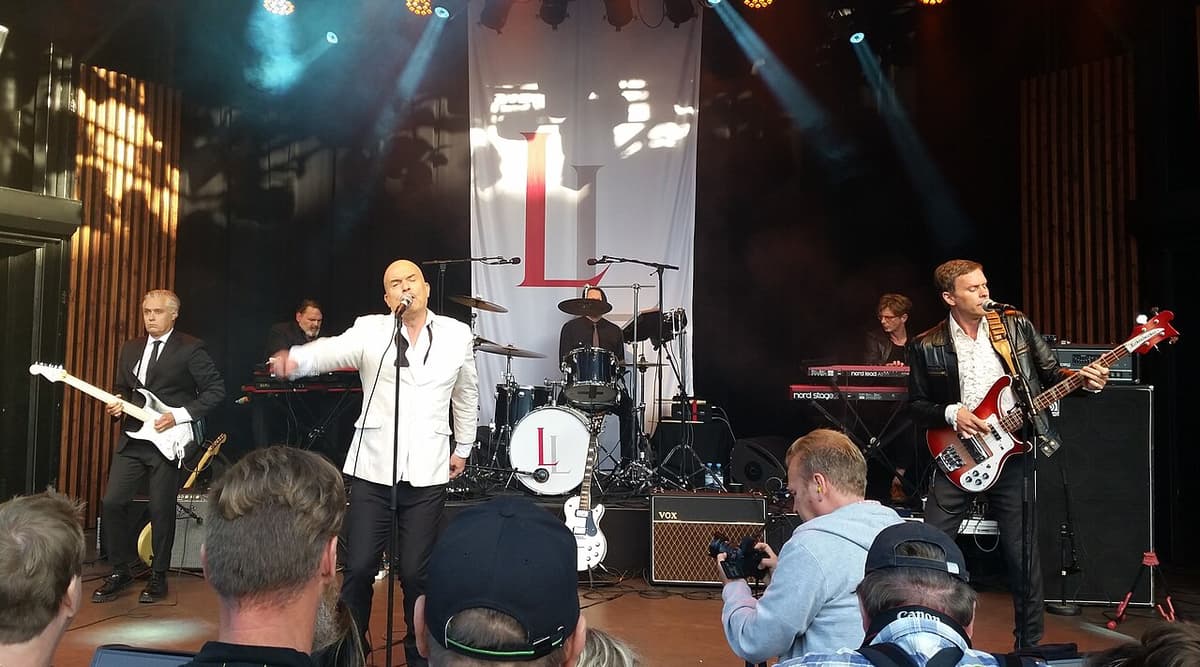
Shares new wave, synth-pop, art rock (subgenres); studio polished, analog warmth, layered dense (production style)
Shares new wave, art rock, post-punk (subgenres); urban night, rainy day, late night (atmosphere)
Shares new wave, synth-pop, post-punk (subgenres); studio polished, analog warmth, layered dense (production style)
Shares urban night, rainy day, late night (atmosphere); new wave, synth-pop, post-punk (subgenres)
Shares art pop, new wave, deadpan, art rock (signature)

Cassette uses generative AI to enrich its catalog. How we use AI →