Virus sounds like the exact moment a city wakes up from a long, grey slumber and decides to put on its most colorful, expensive clothes. Their music is a masterclass in friction: the surface is polished, danceable, and unashamedly pop, but underneath lies a sharp, ironic wit and a deep sense of rebellion. It is the sound of the 1980s in Buenos Aires, filtered through a lens of high-fashion aesthetics and sleek electronic textures.
What makes them truly distinctive is the late Federico Moura's vocal presence. He didn't just sing; he crooned with a detached, almost aristocratic elegance that challenged the hyper-masculine tropes of Latin rock. The band's arrangements are equally precise, blending the jagged edges of post-punk guitar with the lush, futuristic warmth of early digital synthesizers. They managed to be both the most popular band in the country and its most sophisticated art project.
Start with 'Locura' to hear them at their commercial and creative peak. It is an album that feels like a humid night in a neon-lit club, full of hits that still sound modern today. If you want something punchier and more guitar-driven, 'Agujero Interior' captures their transition from nervous new wave energy into the synth-pop icons they would eventually become.
Virus is an Argentine new wave music band founded in 1979, led by Federico Moura until his death on December 21, 1988, from AIDS-related complications. His brother Marcelo then became lead singer, until the band gave its final performance on September 29, 1990, in a support slot to David Bowie. An instant hit, they represented along Soda Stereo and other upcoming bands from the moment the New Wave sound which contrasted with the previous staple rock genres of the preceding decades. Roberto Jacoby wrote the group's lyrics from its beginning. Some of their best-known songs are "Amor Descartable," "Wadu Wadu," "Hay que salir del agujero interior," "Una luna de miel en la mano," "¿Qué hago en Manila?," "Sin Disfraz," "Imágenes paganas," and "Mirada Speed."


Shares digital clarity, studio polished, drum machine (production style); synth-pop, new wave, art pop (subgenres)
Shares synth-pop, new wave, dance-pop (subgenres); digital clarity, studio polished, drum machine (production style)
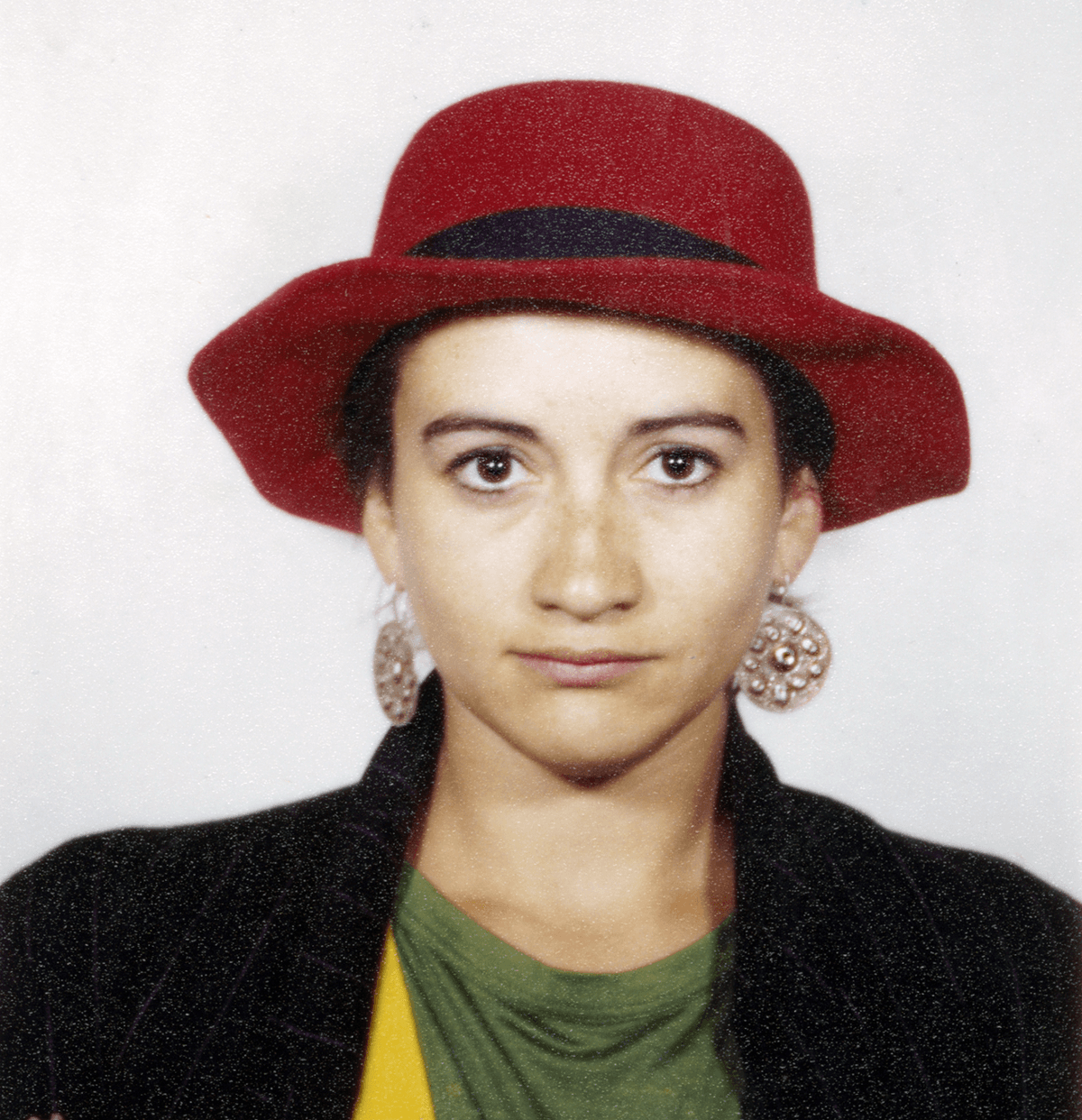
Shares synth-pop, new wave, art pop (subgenres); digital clarity, studio polished, drum machine (production style)

Shares synth-pop, new wave, dance-pop (subgenres); digital clarity, studio polished, drum machine (production style)
Shares new wave, synth-pop, art pop (subgenres); urban night, rooftop (atmosphere)
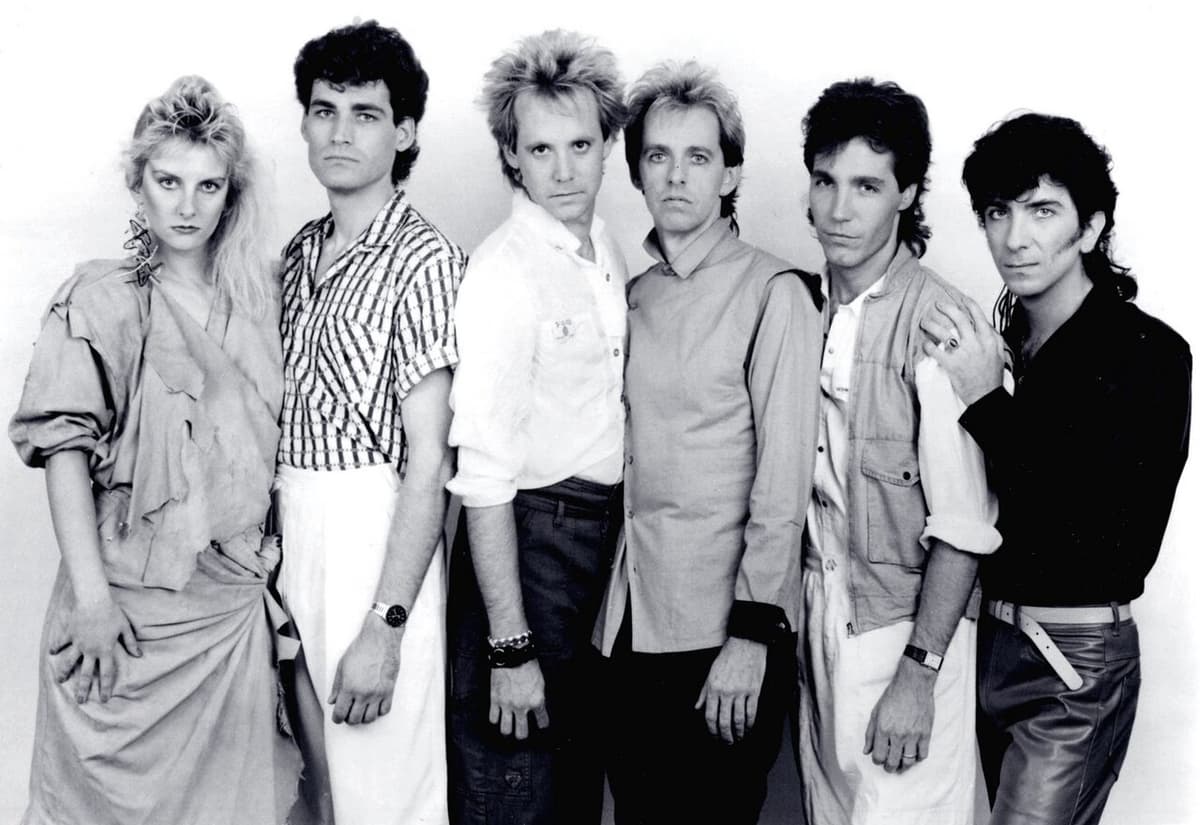
Shares synth-pop, new wave, dance-pop (subgenres); digital clarity, studio polished, drum machine (production style)
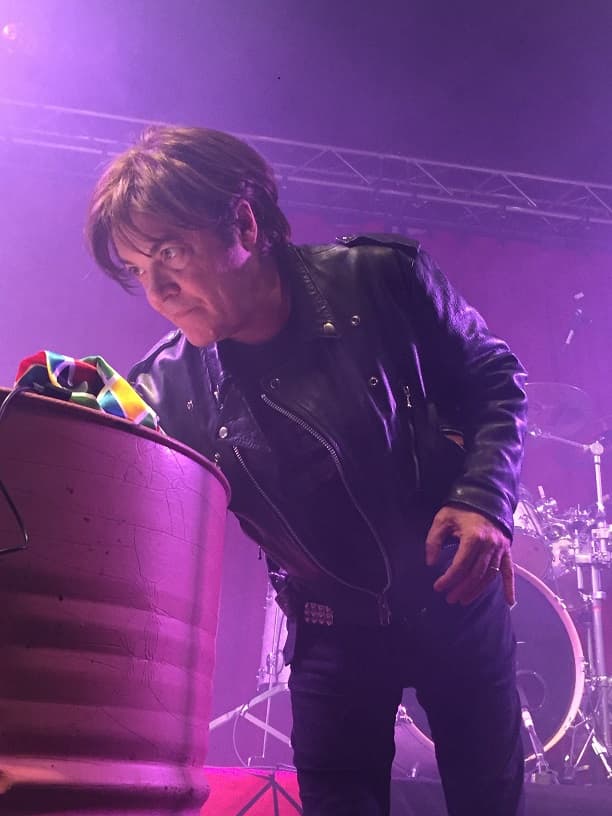
Shares digital clarity, studio polished, drum machine (production style); synth-pop, new wave, art pop (subgenres)
Shares synth-pop, new wave, art pop (subgenres); digital clarity, studio polished, layered dense (production style)
Shares synth-pop, new wave, dance-pop, drum machine (signature)
Cassette uses generative AI to enrich its catalog. How we use AI →