
Pseudo Echo
Polished Australian new wave that balances sharp synth-pop hooks with a rock-edged swagger. High-energy anthems for neon-lit nights and retro dance floors.
Polished Australian new wave that balances sharp synth-pop hooks with a rock-edged swagger. High-energy anthems for neon-lit nights and retro dance floors.
Pseudo Echo captures the high-gloss, neon-soaked energy of the mid-1980s Australian music scene. Their sound is a meticulously crafted blend of futuristic synthesizers and traditional rock instrumentation, creating a sonic landscape that feels both technologically advanced and physically immediate. It is music that demands movement, characterized by driving rhythms and soaring, melodic vocals that carry a sense of youthful confidence.
What sets them apart is their ability to pivot from the moody, atmospheric synth-pop of their early work to the hard-hitting, guitar-heavy pop of their later hits. They mastered the art of the 'rock-remix' aesthetic, where electronic foundations are bolstered by aggressive guitar solos and gated reverb drums. This hybrid approach allowed them to dominate both the dance charts and the rock radio waves simultaneously.
Start with 'Autumnal Park' to hear their sophisticated New Romantic roots, then jump to the 'Love an Adventure' era for their most iconic, stadium-ready pop moments. Their famous cover of 'Funky Town' remains the ultimate gateway, showcasing their talent for transforming classic grooves into high-tech synth-pop spectacles.
Pseudo Echo are an Australian new wave band formed in 1982 by Brian Canham (vocals, guitar, and keyboards), Pierre Gigliotti (bass keyboards and bass guitar), and Tony Lugton (keyboards). Later members included Anthony Argiro (drums), Vince Leigh (drums), and James Leigh (keyboards). In the 1980s, Pseudo Echo had multiple Australian top 20 hits with "Listening", "A Beat for You", "Don't Go", "Love an Adventure", and "Living in a Dream". Their 1986 cover of "Funky Town" (a 1979 disco hit by Lipps Inc.) was an international success, peaking at No. 1 in Australia and New Zealand and becoming a top ten hit in Sweden, Canada, the United States, and in the United Kingdom. Their 1984 debut album, Autumnal Park, peaked at No. 11 on the Australian Kent Music Report. Love an Adventure followed in 1985 and reached No. 14. Their third album, Race (1988), peaked at No. 18. In 1990, the group disbanded. They reformed in 1998 and released the albums Ultraviolet (2014), Acoustica, and After Party (both 2020). Australian rock music historian Ian McFarlane described the band as "combin[ing] flash clothes, blow-wave hairstyles, youthful exuberance and accessible synth-pop to arrive at a winning combination".
Shares new wave, synth-pop, pop rock (subgenres); urban night, festival, rooftop (atmosphere)
Shares new wave, synth-pop, dance-pop (subgenres); digital clarity, studio polished, drum machine (production style)
Shares new wave, synth-pop, pop rock (subgenres); energetic, playful, confident (moods)
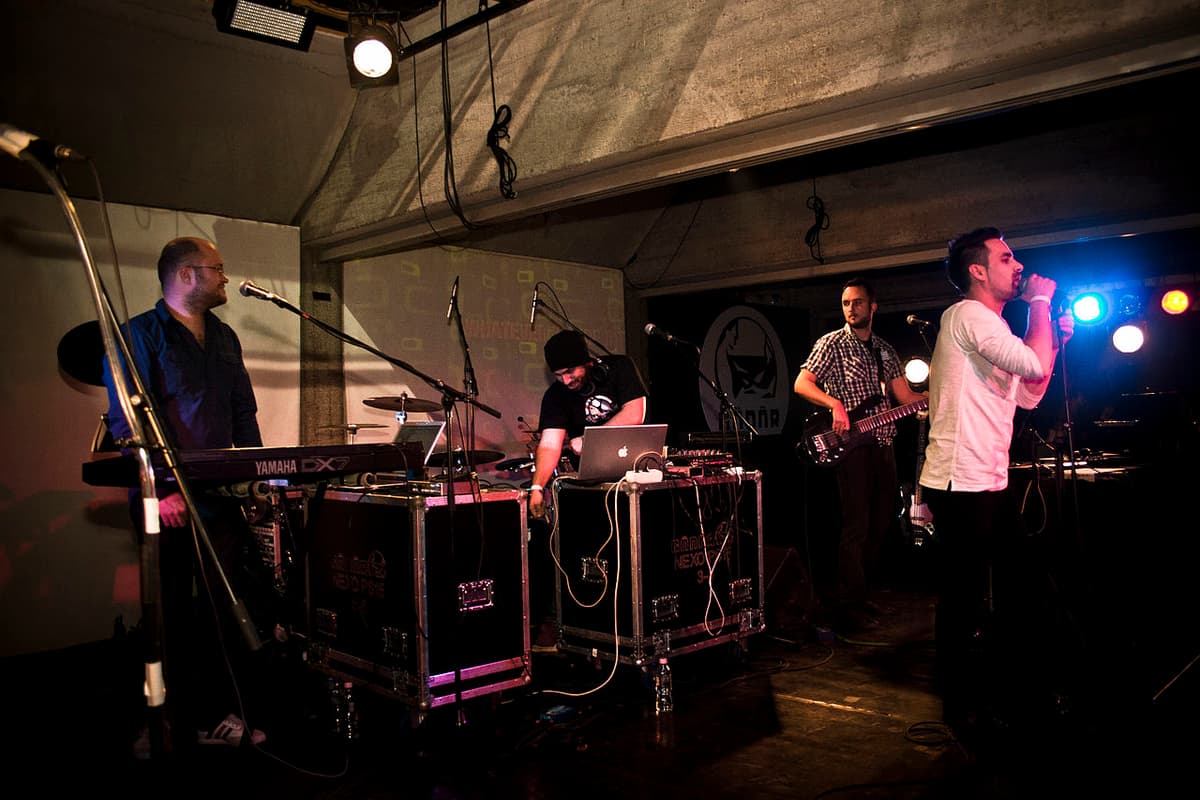
Shares digital clarity, studio polished, drum machine (production style); new wave, synth-pop, dance-pop (subgenres)
Shares new wave, synth-pop, dance-pop (subgenres); digital clarity, studio polished, drum machine (production style)
Shares digital clarity, studio polished, drum machine (production style); energetic, playful, confident (moods)

Shares digital clarity, studio polished, drum machine (production style); new wave, synth-pop, dance-pop (subgenres)
Shares digital clarity, studio polished, drum machine (production style); synth-pop, new wave (subgenres)
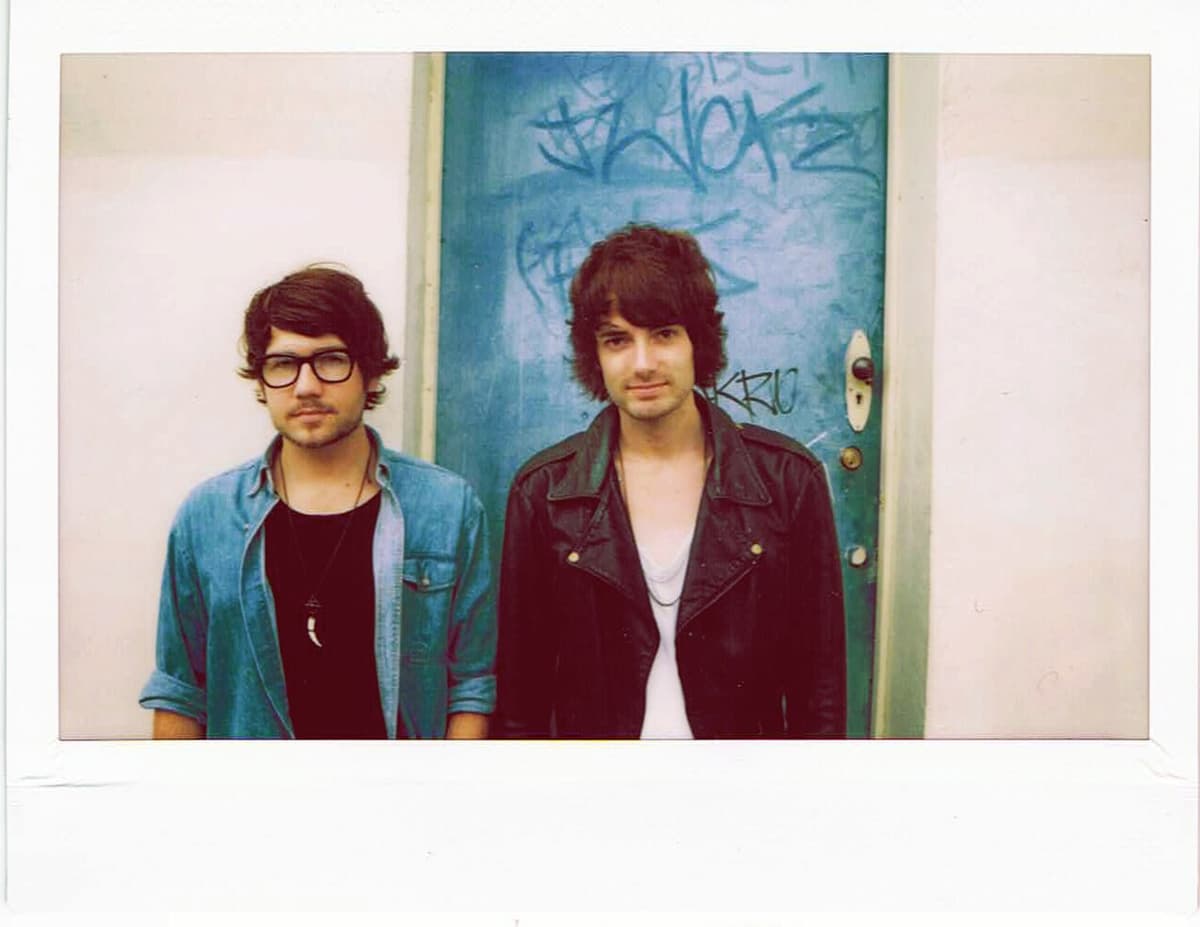
Shares digital clarity, studio polished, drum machine (production style); playful, confident, energetic (moods)
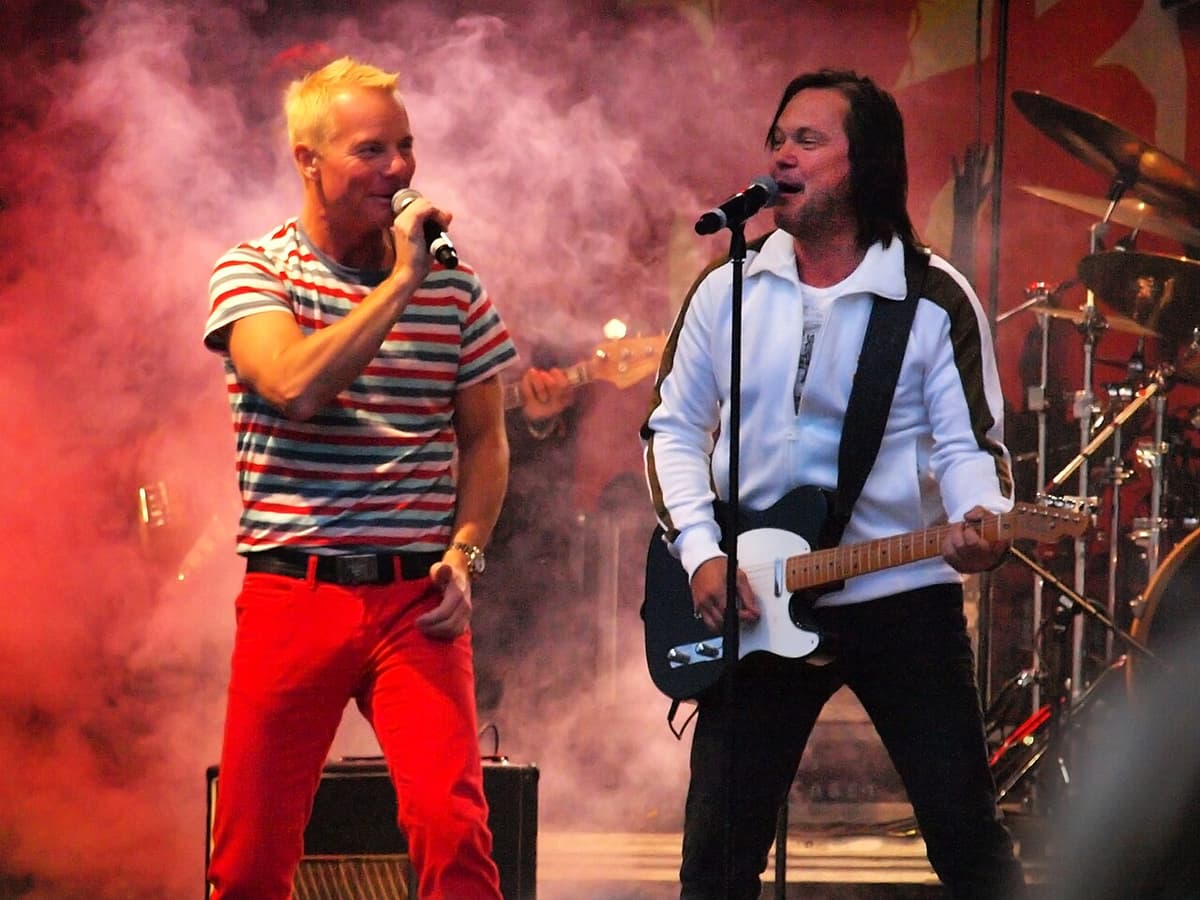
Shares digital clarity, studio polished, drum machine (production style); new wave, synth-pop, dance-pop (subgenres)
Shares synth-pop, new wave, dance-pop, drum machine (signature)
Cassette uses generative AI to enrich its catalog. How we use AI →


