REBECCA sounds like the electric pulse of Tokyo in the mid-1980s. It is music that feels both massive and intimate, characterized by shimmering digital synthesizers, driving rock percussion, and a sense of unbridled optimism. The arrangements are meticulously polished, yet they retain a raw, live-wire energy that prevents them from feeling overly manufactured.
What truly sets them apart is Nokko's vocal performance. She possesses a distinctive, high-register belt that cuts through dense arrangements with surgical precision. Her ability to pivot from playful, girlish melodies to powerful, soul-baring anthems gave the band a unique emotional range that bridged the gap between idol pop and serious rock instrumentation.
Start with the album 'Rebecca IV: Maybe Tomorrow'. It is the definitive document of their peak era, containing their biggest hits and showcasing the perfect balance of new wave experimentation and chart-topping accessibility that made them the first rock band in Japan to sell a million copies.
Rebecca (レベッカ, Rebekka) was a Japanese rock band that had a great deal of success throughout the 1980s, fronted by singer Nokko. The band's 1985 album Rebecca IV ~maybe tomorrow~ sold one million copies in the year, surpassing Yuming, the first truly commercially successful rock album in Japan. The band's song Friends reached number 3 on the Japanese singles chart in 1986 according to Billboard. They won the Japan Gold Disc Award for Japanese artists in 1988. Rebecca disbanded in 1991.


Shares studio polished, digital clarity, layered dense (production style); synth-pop, new wave (subgenres)
Shares synth-pop, new wave (subgenres); studio polished, digital clarity, layered dense (production style)
Shares synth-pop, new wave (subgenres); studio polished, digital clarity, layered dense (production style)
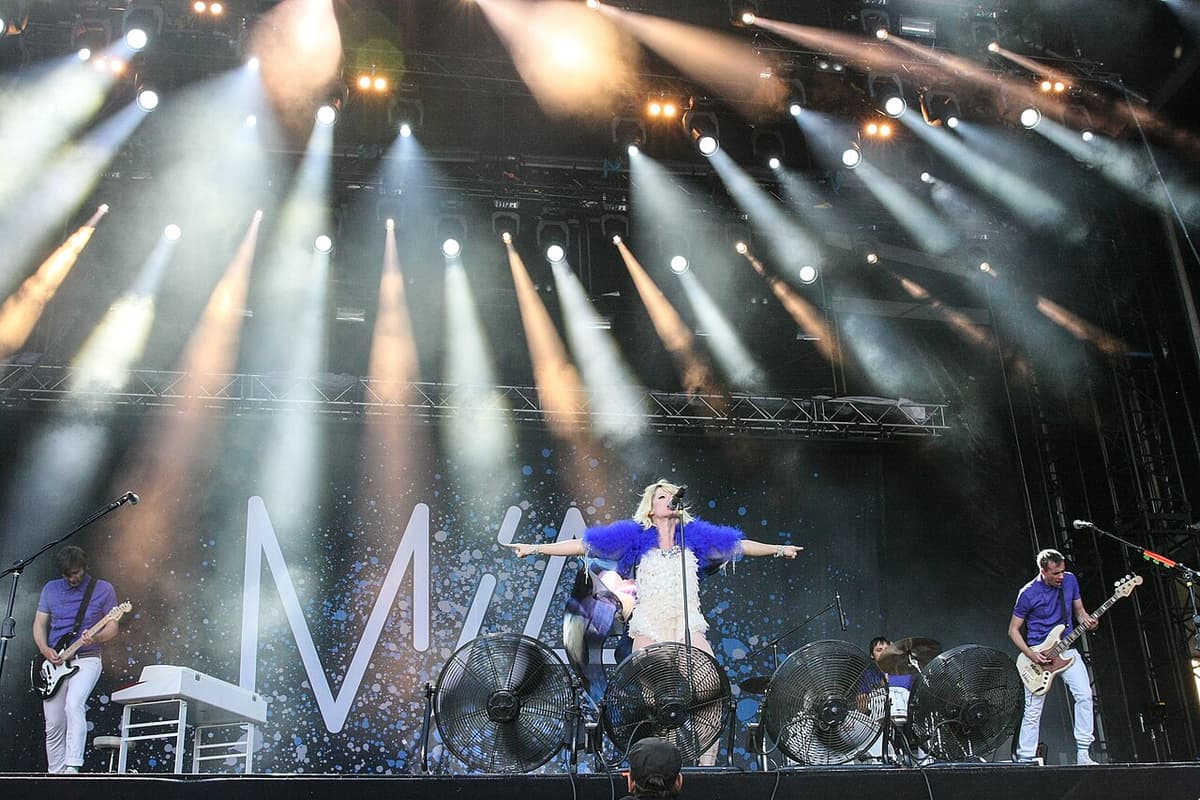
Shares studio polished, digital clarity, layered dense (production style); urban night, rooftop, festival (atmosphere)
Shares belting, nasal, intense (vocal style); synth-pop, alternative rock (subgenres)
Shares studio polished, digital clarity, layered dense (production style); synth-pop, alternative rock (subgenres)

Shares studio polished, digital clarity, layered dense (production style); synth-pop, alternative rock, new wave (subgenres)
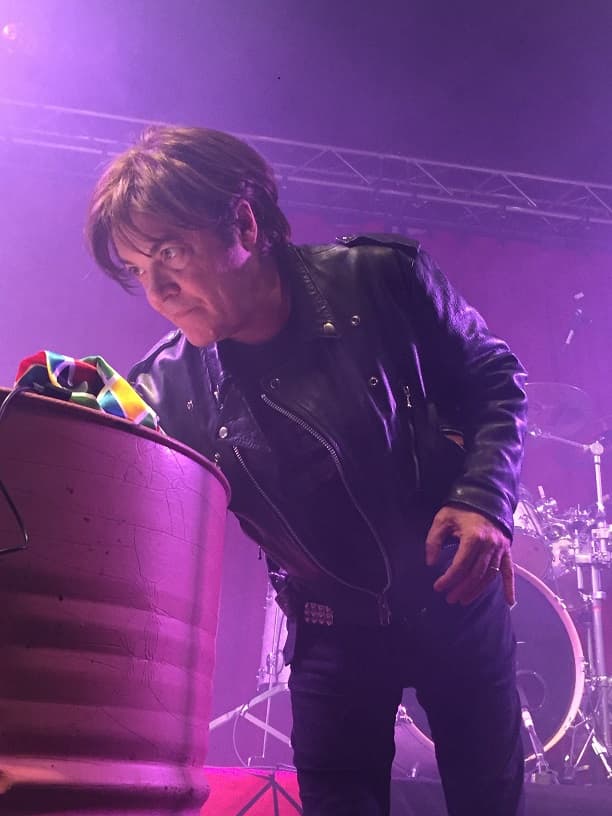
Shares studio polished, digital clarity, layered dense (production style); urban night, rooftop, festival (atmosphere)
Shares studio polished, digital clarity, layered dense (production style); urban night, rooftop, festival (atmosphere)

Shares new wave, synth-pop, alternative rock, urban night (signature)
Shares new wave, synth-pop, alternative rock, rooftop (signature)
Cassette uses generative AI to enrich its catalog. How we use AI →