Ray Gelato
High-octane swing and jump blues led by a powerhouse tenor sax. It is the sound of a 1940s nightclub brought to life with modern energy and impeccable showmanship.
High-octane swing and jump blues led by a powerhouse tenor sax. It is the sound of a 1940s nightclub brought to life with modern energy and impeccable showmanship.
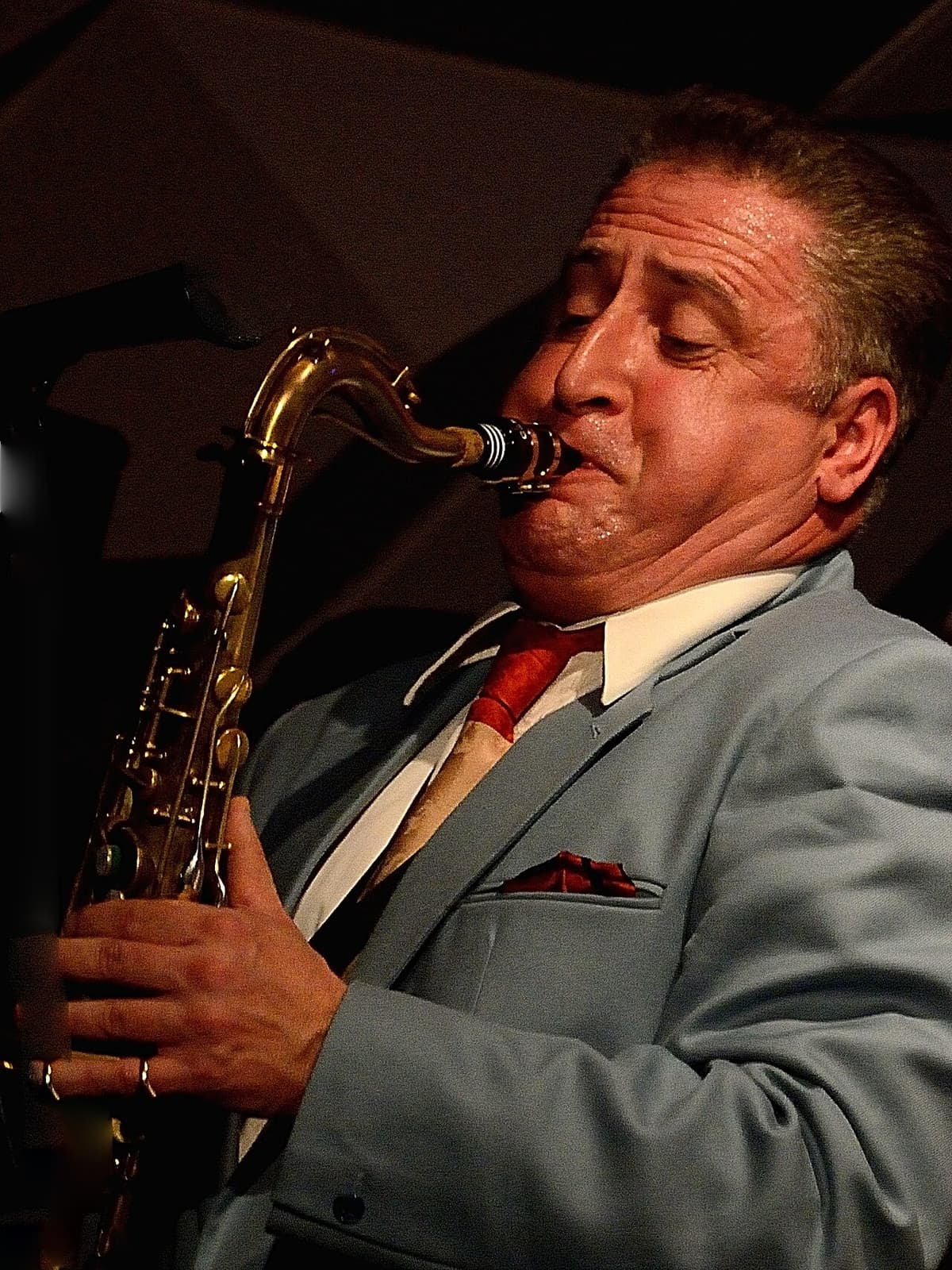
Ray Gelato delivers a masterclass in mid-century cool, blending the infectious energy of jump blues with the sophisticated swagger of classic swing. The music is defined by a massive, 'honking' tenor saxophone sound and vocals that channel the charismatic spirit of the great Italian-American entertainers. It feels like a celebration of a bygone era that refuses to stay in the past, vibrating with a live-wire intensity that demands movement.
What sets Gelato apart is the genuine craftsmanship behind the showmanship. While many revivalists lean into kitsch, Gelato’s technical proficiency on the saxophone is undeniable, rooted in the tradition of masters like Illinois Jacquet and Ben Webster. His arrangements are tight, his rhythm section is relentless, and his ability to command a room makes every recording feel like a front-row seat at a legendary London club residency.
Start with 'The Ice Cream Man' or 'Hey There' to hear the full breadth of his style. These tracks showcase the perfect balance of humorous, high-energy vocals and blistering instrumental breaks. It is the ideal soundtrack for anyone who wants their jazz with a side of grit, humor, and an irresistible urge to snap their fingers.
Ray Keith Irwin (born 25 October 1961), known professionally by his stage name Ray Gelato, is a British jazz, swing and jump blues saxophonist, singer and bandleader. He is known as one of the major forces in the revival of swing music. Gelato has performed in a private capacity for Richard Branson, Paul McCartney and Elizabeth II amongst others. AllMusic noted that "Gelato has been hugely successful, finding a niche and retaining his dominance in it through hard work, good musicianship and a flair for showmanship". Jools Holland meanwhile opined that "He plays what he means, and means what he plays".
Cassette uses generative AI to enrich its catalog. How we use AI →