Nick Cave & the Bad Seeds
Literary baritone vocals over shifting landscapes of gothic blues, elegant piano, and haunting ambient loops. Music for the heavy-hearted and the deeply curious.
Literary baritone vocals over shifting landscapes of gothic blues, elegant piano, and haunting ambient loops. Music for the heavy-hearted and the deeply curious.
Nick Cave & the Bad Seeds represent a singular evolution in alternative music, transitioning from the chaotic noise-rock of The Birthday Party into a sophisticated vehicle for high-art songwriting. Formed in 1983, the band has served as a rotating international collective, most notably featuring Blixa Bargeld's industrial guitar and Mick Harvey's multi-instrumental arrangements in earlier eras, before shifting toward the avant-garde ambient textures of Warren Ellis.
Their sound identity is defined by Cave's deep baritone and a lyrical obsession with theology, violence, and redemptive love. Critically, they are viewed as one of the few acts to successfully navigate a decades-long career while consistently reinventing their sonic palette without losing their core identity. They sit at the center of a web connecting Leonard Cohen's poeticism, the grit of Delta blues, and the experimentalism of the Berlin underground. Their influence is vast, touching everything from gothic rock to contemporary indie-folk, and they remain a cornerstone for listeners seeking music with profound intellectual and emotional depth.
Shares post-punk, art rock, alternative rock (subgenres); brooding, cathartic, melancholic (moods)
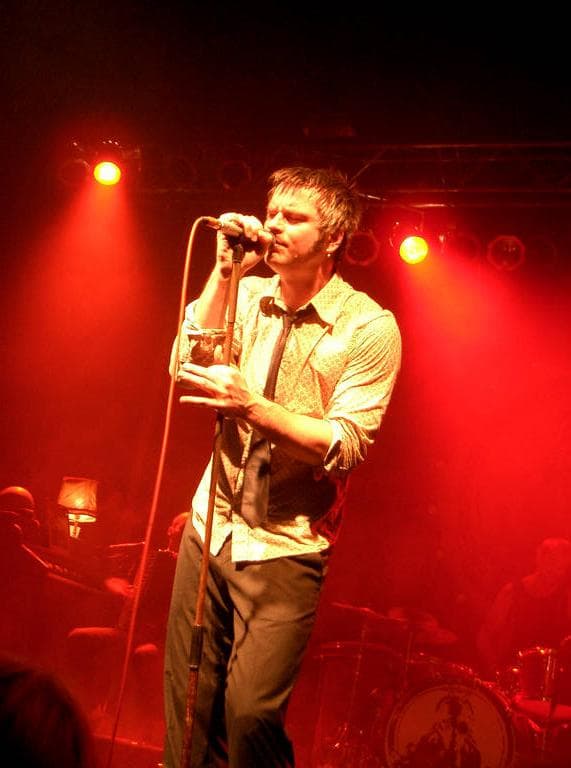
Shares art rock, alternative rock, chamber pop (subgenres); late_night, cathedral, urban_night (atmosphere)
Shares post-punk, art rock, alternative rock (subgenres); crooning, baritone, intense (vocal style)
Shares post-punk, art rock, alternative rock (subgenres); late_night, urban_night, solitude (atmosphere)
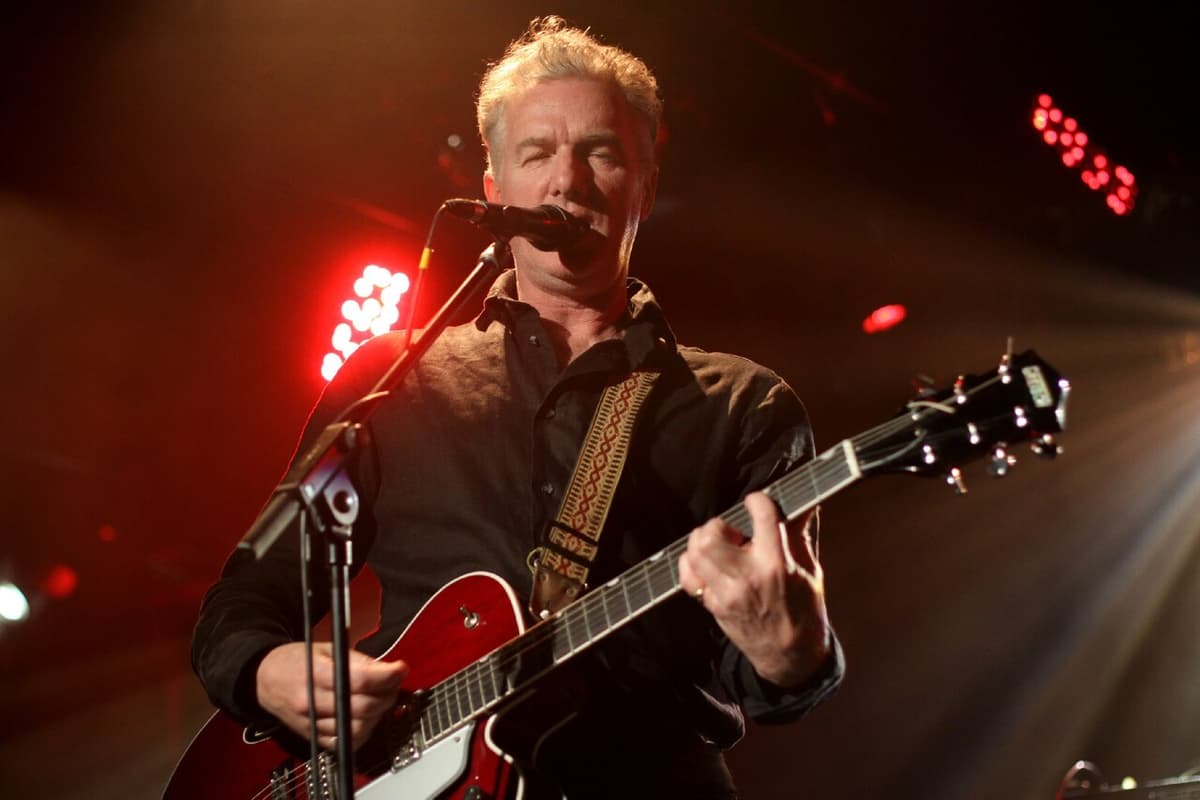
Shares post-punk, art rock, alternative rock (subgenres); baritone, crooning, spoken_word (vocal style)
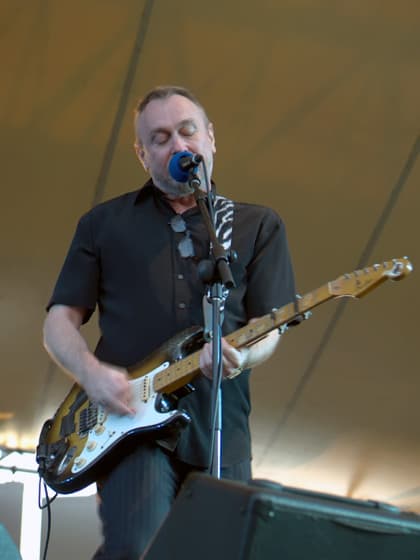
Shares post-punk, art rock, alternative rock (subgenres); layered_dense, analog_warmth (production style)
Shares baritone, post-punk, art rock, chamber pop (signature)
Cassette uses generative AI to enrich its catalog. How we use AI →