Strangelove was a pivotal, if commercially under-recognized, force in the 1990s UK alternative rock landscape. Formed in Bristol, they were often grouped with the Britpop movement but shared more DNA with the dark romanticism of Nick Cave and the Bad Seeds, The Doors, and Scott Walker. Their sound identity is built on the contrast between Alex Lee's 'spidery' guitar textures and Patrick Duff's theatrical, baritone vocal delivery. This combination created a high-tension aesthetic that was both musically sophisticated and emotionally raw.
Historically, the band is noted for their significant influence on Radiohead; Ed O'Brien and Thom Yorke frequently cited Strangelove as a formative influence during the 'The Bends' era. Their career arc saw them peak creatively with 'Love and Other Demons' (1996), an album that received immense critical acclaim for its lush, drug-infused art-rock. However, internal tensions and the decline of the indie boom led to a fractured final self-titled album and their eventual dissolution in 1998. Guitarist Alex Lee later became a prominent collaborator for Suede and Placebo, while Duff pursued a folk-leaning solo career. They remain a 'cult' favorite, prized by collectors for their high-quality B-sides and their unique position as the sophisticated, darker alternative to the lad-culture of 90s guitar music.
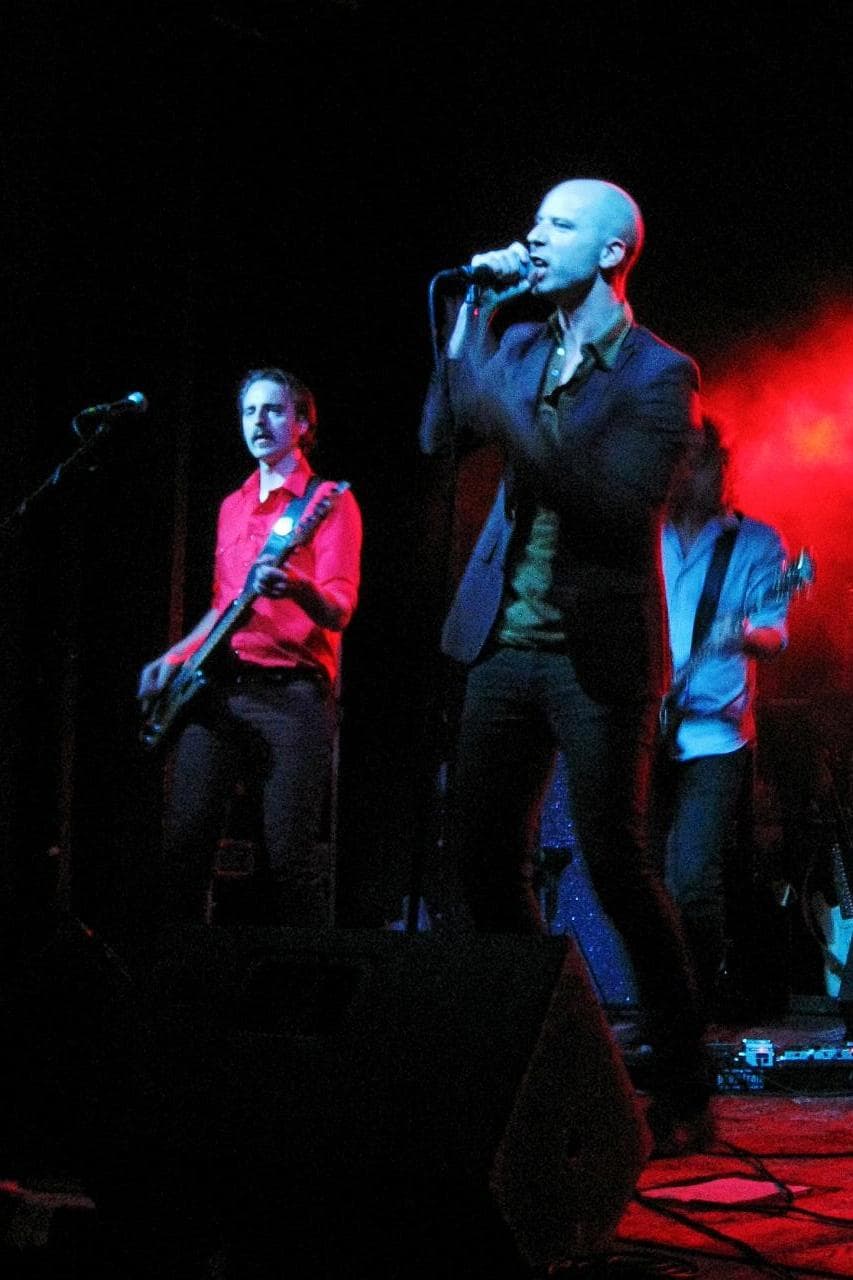

Shares alternative rock, art rock, post-punk (subgenres); crooning, baritone, intense (vocal style)
Shares alternative rock, art rock, post-punk (subgenres); reverb_heavy, layered_dense, analog_warmth (production style)
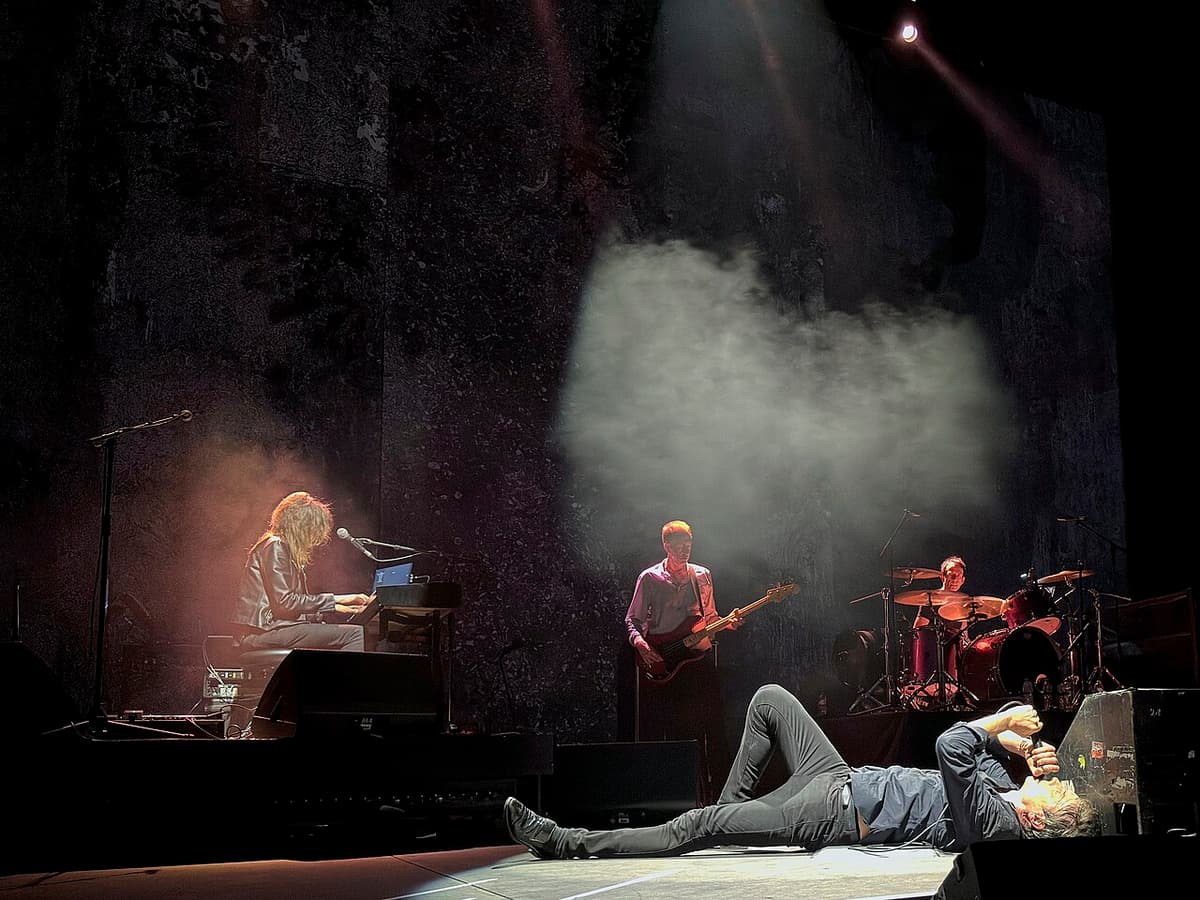
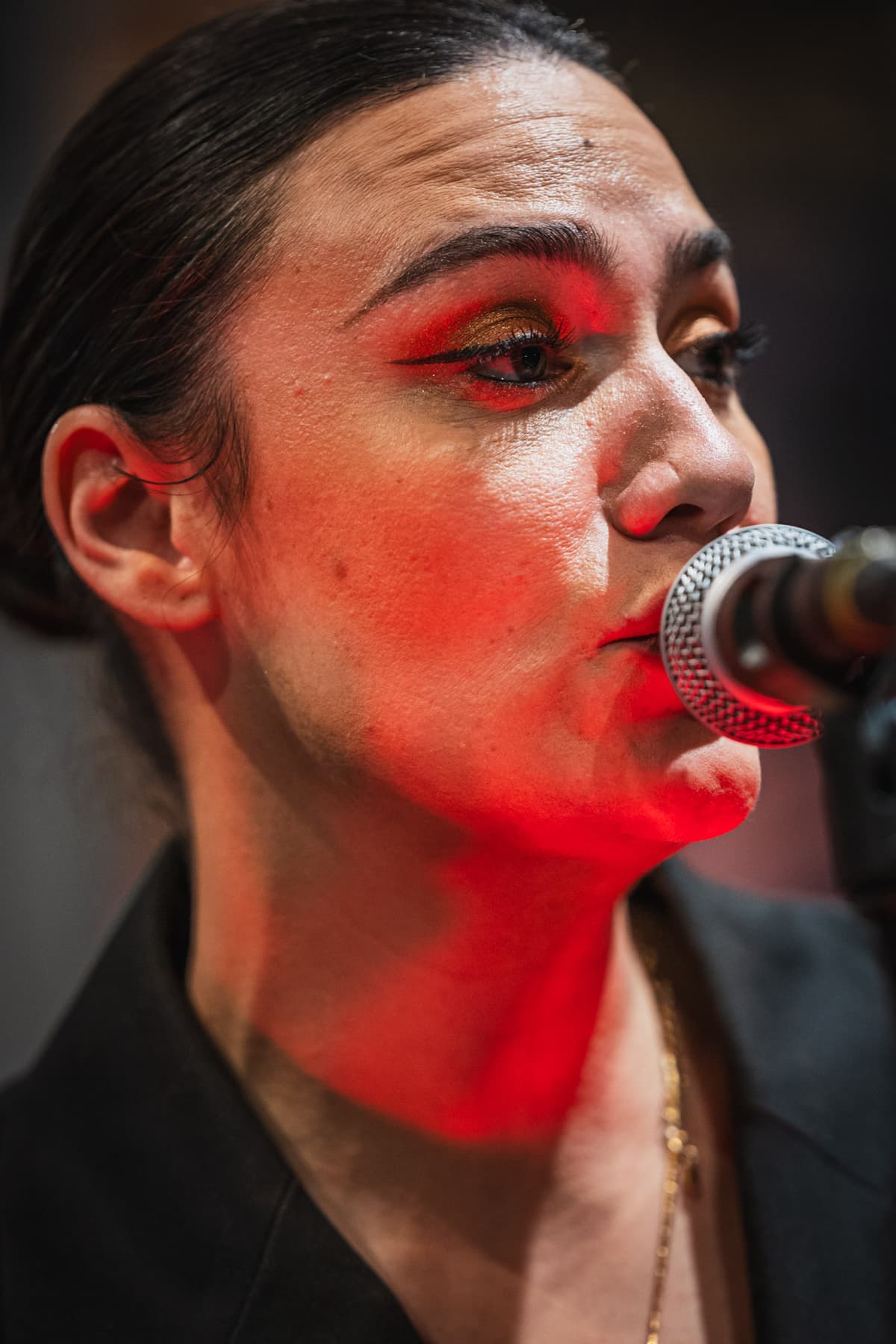
Shares alternative rock, art rock, post-punk (subgenres); brooding, melancholic, intense (moods)
Shares reverb_heavy, layered_dense, analog_warmth (production style); brooding, melancholic, wistful (moods)
Cassette uses generative AI to enrich its catalog. How we use AI →