Kurtalan Ekspres sounds like a high-speed locomotive barreling through a psychedelic dreamscape. It is the definitive sound of Anatolian Rock: a thick, muscular blend of 1970s funk-rock energy and the haunting, modal scales of Turkish folk music. You will hear fuzzy electric guitars mimicking the microtonal trills of a baglama, backed by some of the most locked-in, groovy bass playing in the history of the genre.
What makes them truly distinctive is their role as the ultimate backing unit. They didn't just play songs; they built sonic worlds for legends like Baris Manco and Cem Karaca. Their music possesses a unique 'train-like' momentum - fitting for a band named after an express line - where the rhythm section provides a relentless, hypnotic pulse that allows synthesizers and guitars to soar with theatrical flair.
Start with the album 'Goge Selam' for a powerful retrospective of their collaborative history, or seek out their 1970s recordings with Baris Manco to hear the raw, analog power of their peak psychedelic era. It is essential listening for anyone who wants to understand how global rock music can be successfully localized without losing its edge.
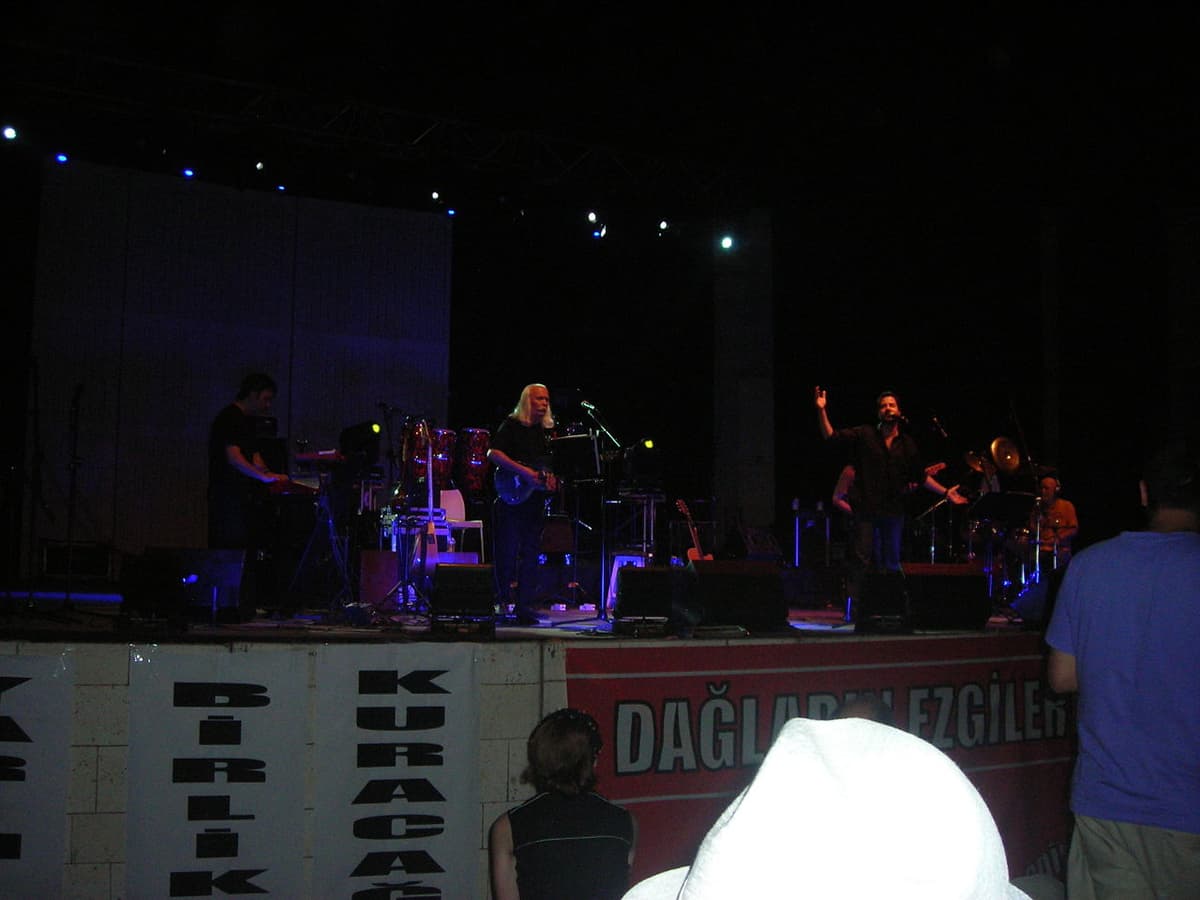
Kurtalan Ekspres is a Turkish Anatolian rock band that has worked with several famous lead singers, such as Cem Karaca, Cahit Berkay, Barış Manço. The band takes its name from a train named Kurtalan Express, which travels between Kurtalan and Haydarpaşa. Kurtalan Ekspres was founded by Barış Manço in 1971, and initially included Murat Ses, Erdinç Avcı, Fuat Güner, Celal Güven, Özkan Uğur and Ali Serdar. In the late-1970s Bahadır Akkuzu joined the group as the lead guitarist. After Barış Manço's death in 1999, the band began working with Cem Karaca. After Cem Karaca's death in 2004, Bahadır Akkuzu took over the vocals, and later died of a heart attack in 2009. The band took part as the orchestra of the programmes Adam Olacak Çocuk and 4×21 Doludizgin, which Manço used to present.


Shares psychedelic rock, folk rock, art rock (subgenres); road trip, festival, urban night (atmosphere)
Shares psychedelic rock, folk rock, progressive rock (subgenres); analog warmth, layered dense, live recording (production style)
Shares psychedelic rock, folk rock, progressive rock (subgenres); nostalgic, mysterious, defiant (moods)
Shares psychedelic rock, progressive rock, art rock (subgenres); triumphant, nostalgic, mysterious (moods)
Shares psychedelic rock, folk rock, progressive rock (subgenres); analog warmth, live recording (production style)
Shares analog warmth, layered dense, live recording (production style); psychedelic rock, progressive rock, art rock (subgenres)
Shares psychedelic rock, progressive rock, art rock (subgenres); analog warmth, layered dense, live recording (production style)
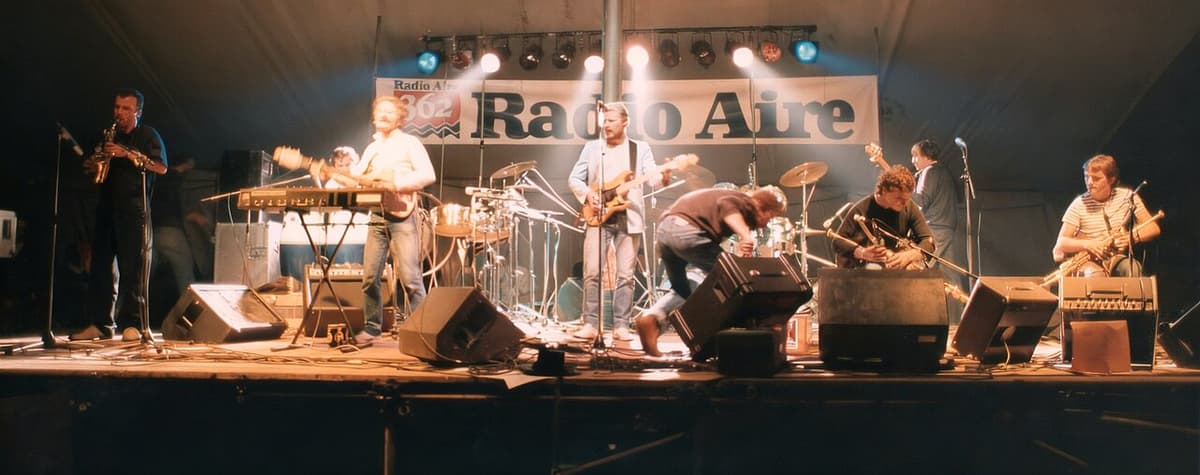
Shares analog warmth, layered dense, live recording (production style); folk rock, progressive rock, art rock (subgenres)
Shares analog warmth, layered dense, live recording (production style); psychedelic rock, progressive rock, art rock (subgenres)
Shares psychedelic rock, folk rock, progressive rock (subgenres); analog warmth, layered dense, live recording (production style)
Shares fuzz-drenched saz melodies, vintage moog synthesizer leads, folk rock, psychedelic rock (detail)
Cassette uses generative AI to enrich its catalog. How we use AI →