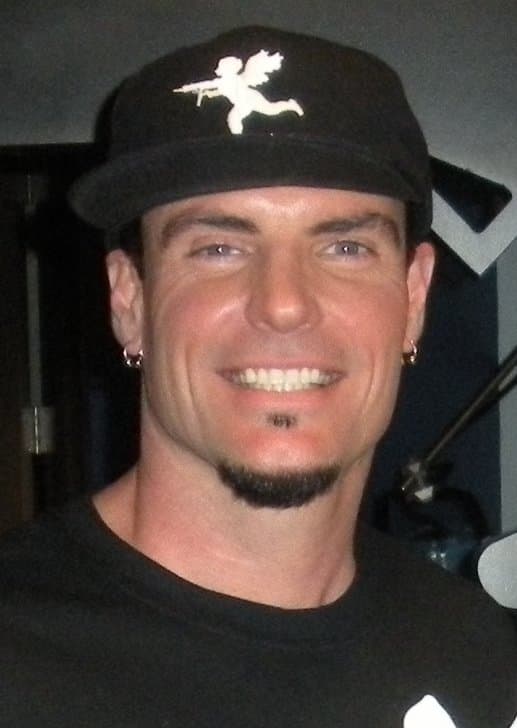
DJ DOC
High-energy 90s Korean hip-hop that pairs infectious dance-floor hooks with sharp, satirical social commentary. Rowdy, defiant, and undeniably catchy.
High-energy 90s Korean hip-hop that pairs infectious dance-floor hooks with sharp, satirical social commentary. Rowdy, defiant, and undeniably catchy.
DJ DOC sounds like the chaotic energy of a 1990s nightclub colliding with a street protest. Their music is built on a foundation of classic boom-bap hip-hop, but it is frequently injected with the high-tempo pulse of Eurodance and funk. You will hear prominent turntable scratching, thick basslines, and vocal performances that range from aggressive, rapid-fire rapping to anthemic, shouted choruses designed for maximum crowd participation. It is music that refuses to be background noise.
What truly sets them apart is their 'bad boy' persona and their willingness to bite the hand that feeds. While their contemporaries were often polished and polite, DJ DOC utilized satire and profanity to skewer social injustices and government censorship. They managed a rare feat: creating songs that are staples at weddings and parties while simultaneously being banned from radio for their provocative content. This duality of being both 'pop' and 'punk' in spirit gives their catalog a unique grit.
Start with 'Run to You' for the ultimate high-energy introduction, then move to 'Dance with DOC' to understand their cultural dominance. For those interested in their sharper side, 'The Life...Doc Blues 5%' offers a deeper look at their hip-hop credibility and social critiques. It is the perfect soundtrack for when you need to feel invincible or just want to lose yourself in a crowd.
DJ D.O.C. is a South Korean hip-hop trio consisting of members Kim Chang-yeol, Lee Ha-neul and Jung Jae-yong. DJ D.O.C. stands for Dream Of Children. DJ DOC released their first album, Sorrow of Superman, in 1994. During a time when Korean hip hop was still largely underground, they went on to experience great commercial success and many of their singles, including "Dance with DOC" (1997) and "Run to You" (2000) are now considered well-known iconic K-pop songs. Initially an underground group, DJ DOC became known to mainstream audiences for the satirical content of their lyrics, which often criticized societal injustices and overtly used profanity. It garnered them both popularity and criticism during the mid to late 1990s; their songs became well known to a younger generation already disgruntled with the government's strict censorship rules regarding free speech but was also censored by radio and television stations for the provocative lyrics.

Shares pop rap, boom bap, dance-pop (subgenres); sample based, studio polished, drum machine (production style)
Shares sample based, studio polished, drum machine (production style); boom bap, pop rap, conscious hip-hop (subgenres)

Shares sample based, studio polished, drum machine (production style); boom bap, pop rap, conscious hip-hop (subgenres)
Shares sample based, studio polished, drum machine (production style); boom bap, pop rap, conscious hip-hop (subgenres)
Shares pop rap, boom bap, conscious hip-hop (subgenres); sample based, studio polished, drum machine (production style)
Shares sample based, studio polished, drum machine (production style); boom bap, pop rap, conscious hip-hop (subgenres)
Shares studio polished, sample based, drum machine (production style); boom bap, pop rap (subgenres)

Shares boom bap, pop rap, conscious hip-hop (subgenres); sample based, studio polished, drum machine (production style)

Shares sample based, studio polished, drum machine (production style); boom bap, pop rap (subgenres)
Shares sample based, studio polished, drum machine (production style); boom bap, pop rap, conscious hip-hop (subgenres)
Cassette uses generative AI to enrich its catalog. How we use AI →