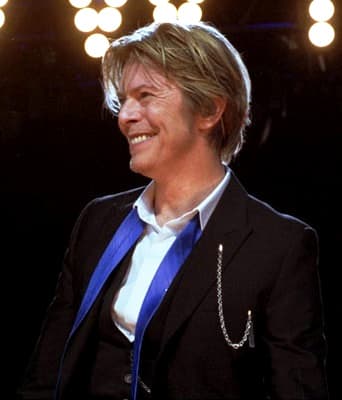
David Bowie
Chameleonic, theatrical rock that shifts effortlessly from glam-era swagger to cold electronic isolation. For the restless and the romantic.
Chameleonic, theatrical rock that shifts effortlessly from glam-era swagger to cold electronic isolation. For the restless and the romantic.
David Bowie was an English singer, songwriter, and actor whose career spanned pop, rock, and experimental genres. Influenced by artists like The Beatles and Andy Warhol, he gained fame for his constant reinvention and theatrical stagecraft, most notably as Ziggy Stardust. A member of the Rock and Roll Hall of Fame, Bowie released music through labels including RCA and Columbia, leaving an enduring impact on 20th-century popular music through his innovative visual and musical style.

Skittering jazz percussion and wailing woodwinds rattle like dry leaves across concrete, pulling the curtain down on a career defined by restless reinvention. This dark, ritualistic transmission trades the guitar-heavy structures of the immediate past for a fluid, gravity-defying orbit of brooding studio improvisation and pristine, murky electronics. The performance balances a fragile, whispering vocal delivery against a commanding theatricality, transforming a quiet confrontation with mortality into an incredibly alive, stargazing art-pop statement.
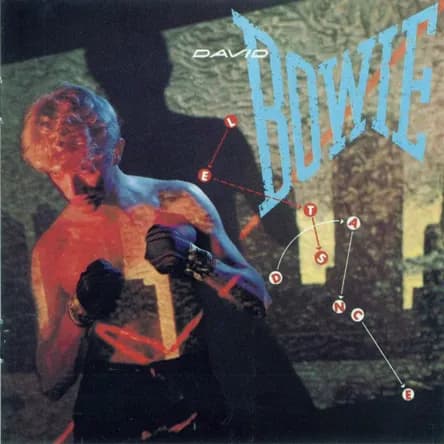
A crisp, high-stepping horn section and snapping funk guitar chords burst into the open air, sweeping away the claustrophobic shadows of the past decade. This record trades the anxious, experimental bunker for a bright, expensive-sounding pop landscape, where shimmering synthesizers and a muscular blues guitar collide under a brilliant neon glare. The performance is physically demanding yet coolly detached, proving that an avant-garde pioneer can conquer the global airwaves on his own terms.
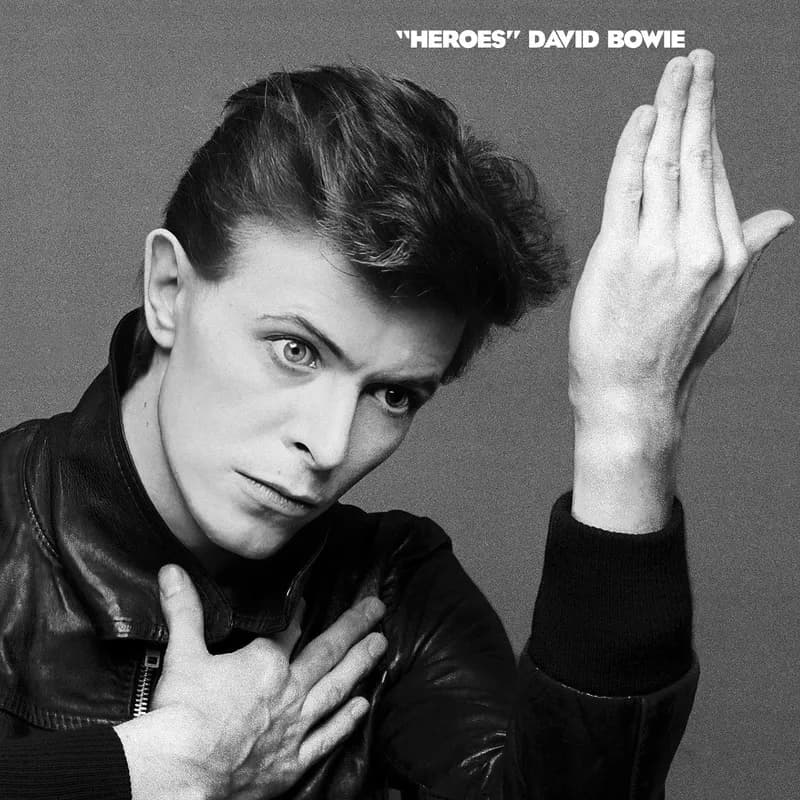
A howling gale of guitar feedback and synthesizer hiss sweeps through this urgent, Berlin-recorded transmission. The nervous, fragmented pop structures of the recent past are supercharged here by a raw, physical intensity, where vocals are pushed to a desperate, throat-shredding scream in front of the microphone. On the second half, this high-stakes friction dissolves into a series of ghostly, koto-led instrumentals and brooding synthesizer landscapes that evoke the cold, divided geography of the city itself.
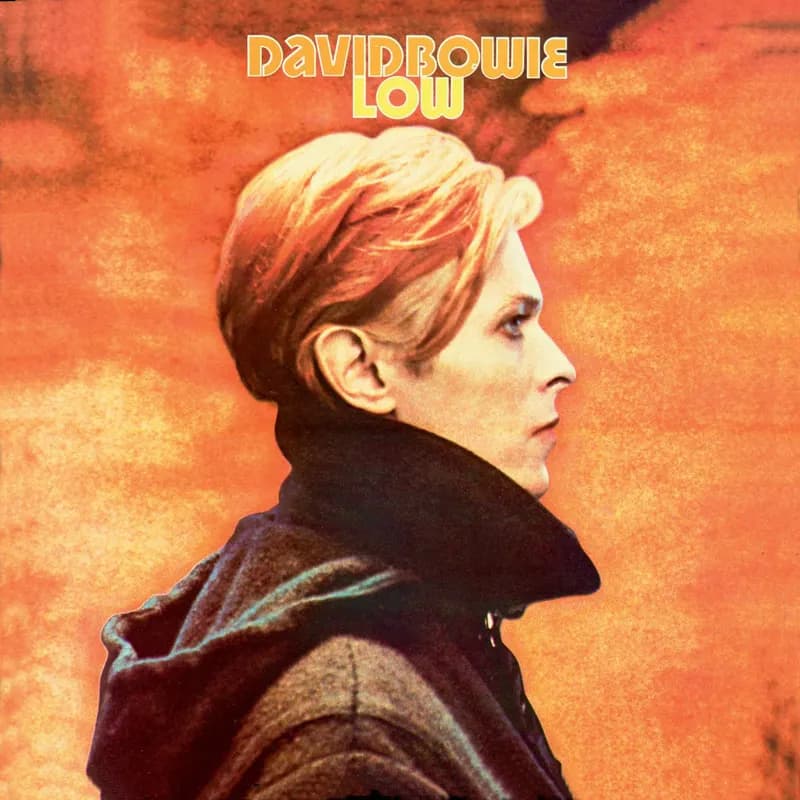
Cold mechanical art-rock and lonely ambient synthscapes
A revolutionary, pitch-shifted snare drum drops like a wet brick, fracturing the first half of this record into a series of brief, nervous pop fragments. The music feels written in the back of a moving car at 4 AM, trading the aristocratic posture of the past for thin, sharp guitars and cryptic lyrics. On the second half, these jagged edges dissolve entirely into vast, cinematic vistas of ambient synthesizers and tape loops that capture a profound sense of European isolation.

A mechanical, train-like hiss of synthesizers slowly accelerates out of a cold silence, signaling a stark departure from the sweat-slicked grooves of his recent American soul phase. This record operates in a tense, frozen liminal space where European motorik rhythms and sharp art-rock precision collide with a detached, aristocratic posture. The music is simultaneously physically engaging and intellectually impenetrable, wrapping deep occult anxieties and a diet of pure paranoia in a highly polished, crystalline sheen.
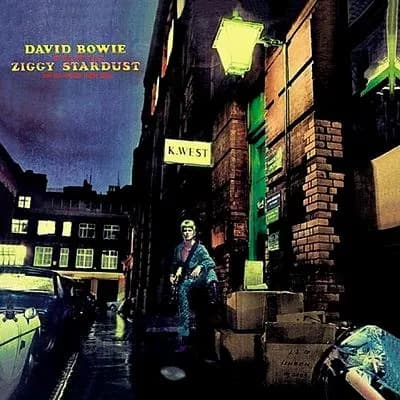
A cosmic messiah crushed by his own spotlight
A glittering, trash-can-alley rock opera explodes in a flash of camera bulbs and raw guitar distortion. The warm, acoustic-driven theatricality of the past is supercharged here by a lean, proto-punk rhythm section, transforming a tale of an impending five-year apocalypse into a velvet-lined spaceship of communal defiance. The songs balance a gritty, street-level urgency with a cosmic, androgynous swagger that reshapes the boundaries of rock stardom in real time.
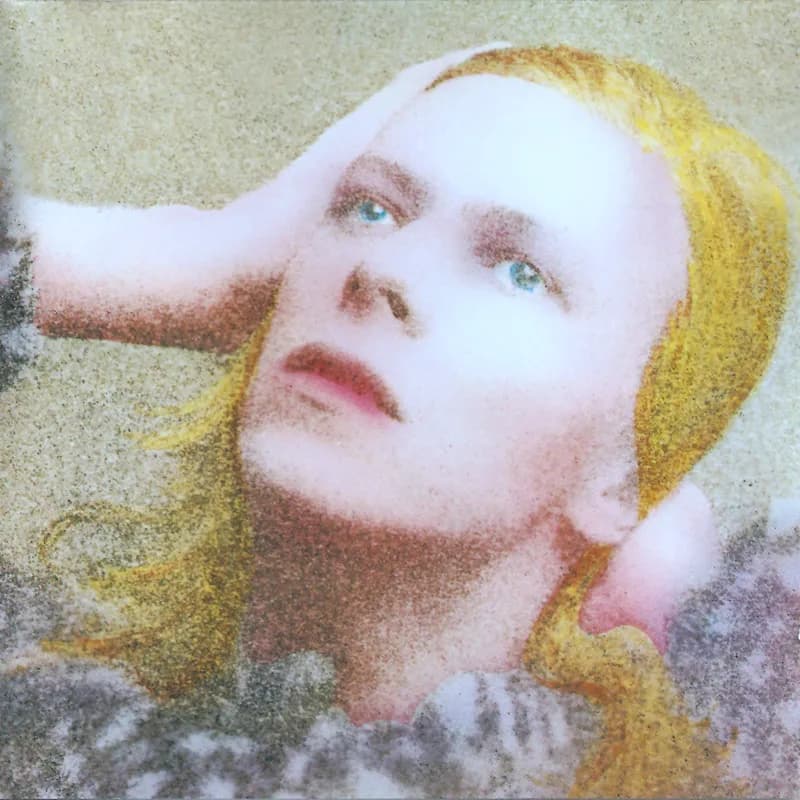
Bright, cascading piano chords replace the heavy guitar sludge of the past, opening up a warm, theatrical gallery of art pop. The songwriting shifts from dark paranoia to a playful, intellectually curious style, where acoustic melodies frame songs dedicated to American icons and the quiet domesticity of fatherhood. A sense of rapidly shifting identities runs through the record, captured in the elegant, cinematic string arrangements and the constant, restless urge to reinvent the self.
Cassette uses generative AI to enrich its catalog. How we use AI →