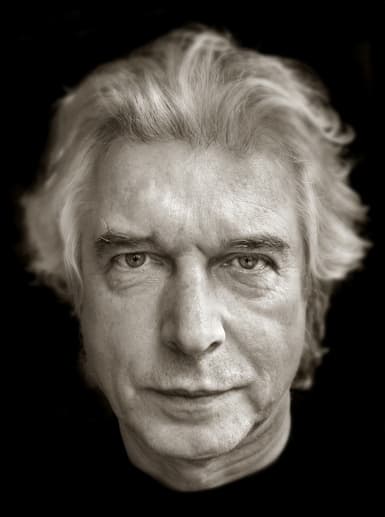
Boudewijn de Groot
Literary Dutch folk that moves from protest anthems to psychedelic dreamscapes. Rich baritone vocals wrapped in lush, baroque orchestral arrangements.
Literary Dutch folk that moves from protest anthems to psychedelic dreamscapes. Rich baritone vocals wrapped in lush, baroque orchestral arrangements.
Listening to Boudewijn de Groot feels like opening a heavy, leather-bound book of Dutch fables that somehow perfectly describe your own modern anxieties. His voice is a steady, comforting baritone that anchors even his most experimental flights of fancy. It is music that occupies a specific space between the intellectual and the emotional, offering a sound that is as grounded in the soil of the Netherlands as it is adrift in the clouds of 1960s psychedelia.
What truly sets him apart is the tension between his folk-singer delivery and the sophisticated, often baroque arrangements that surround him. You might hear a simple acoustic guitar line suddenly bloom into a full orchestral swell, or a harpsichord dancing around a lyric about social injustice. His collaboration with lyricist Lennaert Nijgh created a world of surreal imagery and sharp-edged commentary that elevated the Dutch language to a new poetic height in popular music.
Start with the album 'Hoe sterk is de eenzame fietser' to hear his peak storytelling era, or dive into 'Picknick' if you want to experience the colorful, kaleidoscopic side of the Dutch psychedelic movement. For many, the song 'Avond' remains the ultimate entry point, a masterclass in how to write a love song that feels both intimate and universal.
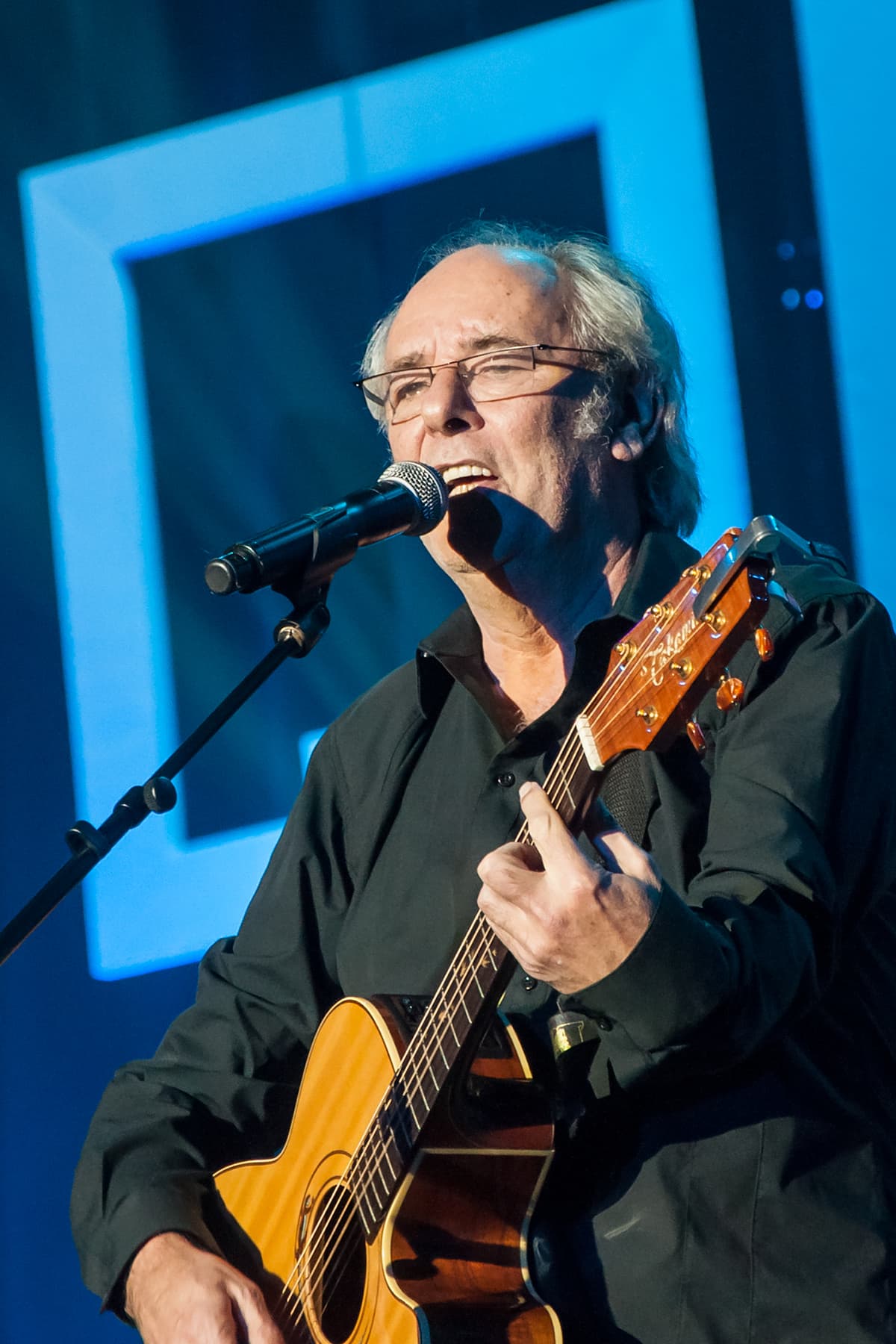
Frank Boudewijn de Groot (Dutch pronunciation: [ˈbʌudəʋɛin də ˈɣroːt]; born 20 May 1944) is a Dutch singer-songwriter, known for "Welterusten mijnheer de president" (1966).
Cassette uses generative AI to enrich its catalog. How we use AI →