Jan De Wilde
Wry, gentle Flemish folk that pairs deadpan humor with lush chamber arrangements. The sound of a lazy Sunday afternoon spent in a slightly overgrown garden.
Wry, gentle Flemish folk that pairs deadpan humor with lush chamber arrangements. The sound of a lazy Sunday afternoon spent in a slightly overgrown garden.
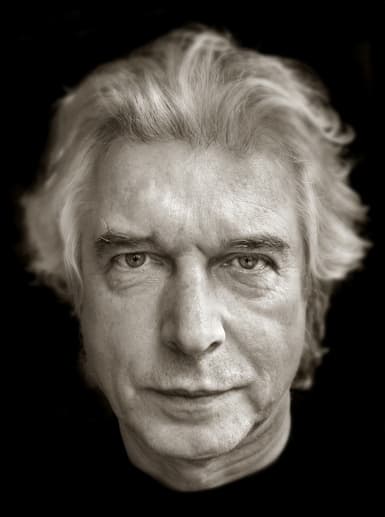
Jan De Wilde is a foundational figure in the Flemish 'kleinkunst' movement, a genre of Dutch-language song that blends folk, cabaret, and literary lyrics. Emerging in the late 1960s, De Wilde distinguished himself through a unique combination of musical craftsmanship and a refusal to adhere to the prolific output expected of stars.
His career is marked by long periods of silence, which has only served to heighten the impact of his occasional releases. His sound identity is defined by a sophisticated use of acoustic instruments and a penchant for chamber-pop orchestrations, often collaborating with high-tier producers like Henny Vrienten to elevate his folk foundations. Culturally, he occupies a space similar to Georges Brassens in France, acting as a satirical observer of social mores. His influence is seen in nearly every subsequent generation of Belgian singer-songwriters who prioritize lyrical wit over commercial polish. Critical consensus views him as a perfectionist disguised as a slacker, whose work has aged remarkably well due to its timeless melodic sensibility and sharp, humanistic insight.
Cassette uses generative AI to enrich its catalog. How we use AI →