Balance of Power delivers a sound that is both muscular and meticulously refined. It is the sound of professional-grade metal where every guitar harmony is perfectly placed and every vocal line reaches for the rafters. Unlike the raw aggression of thrash or the chaotic speed of dragon-slaying power metal, this music feels architectural, built on sturdy foundations of hard rock groove and decorated with the complex filigree of progressive keyboards.
What truly sets them apart is the 'balance' in their name: the interplay between the heavy, chugging rhythm section and the bright, shimmering melodic leads. The vocals are a centerpiece, often featuring multi-tracked harmonies that give the choruses a massive, choir-like scale. There is a certain 1990s-into-2000s digital clarity to their production that makes the technicality feel accessible rather than overwhelming.
Start with 'Heathen Machine' or 'Book of Secrets' to experience their peak era of songwriting. These albums showcase their ability to craft hooks that stick in your head while providing enough instrumental depth to satisfy fans of Dream Theater or Queensrÿche. It is music for those who want the power of metal without sacrificing the sophistication of a well-composed melody.
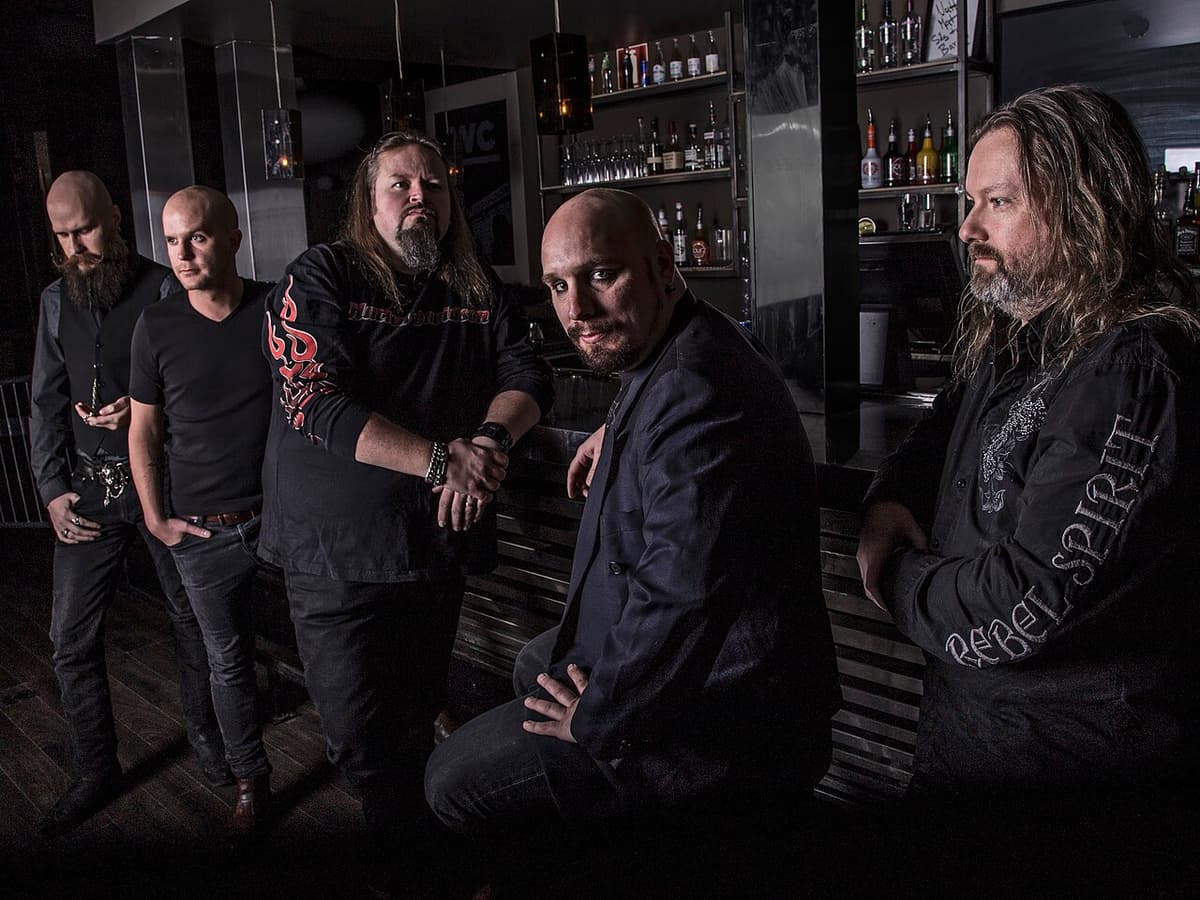
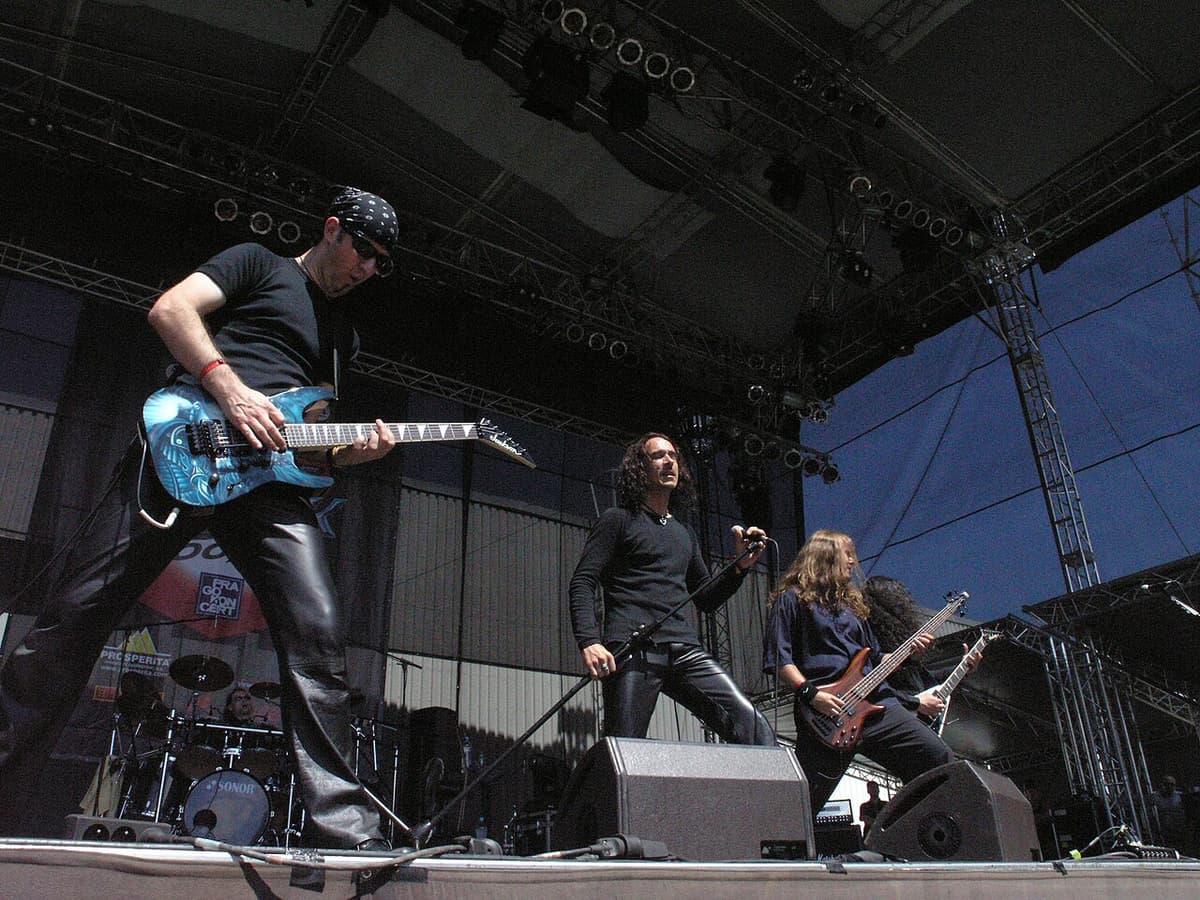
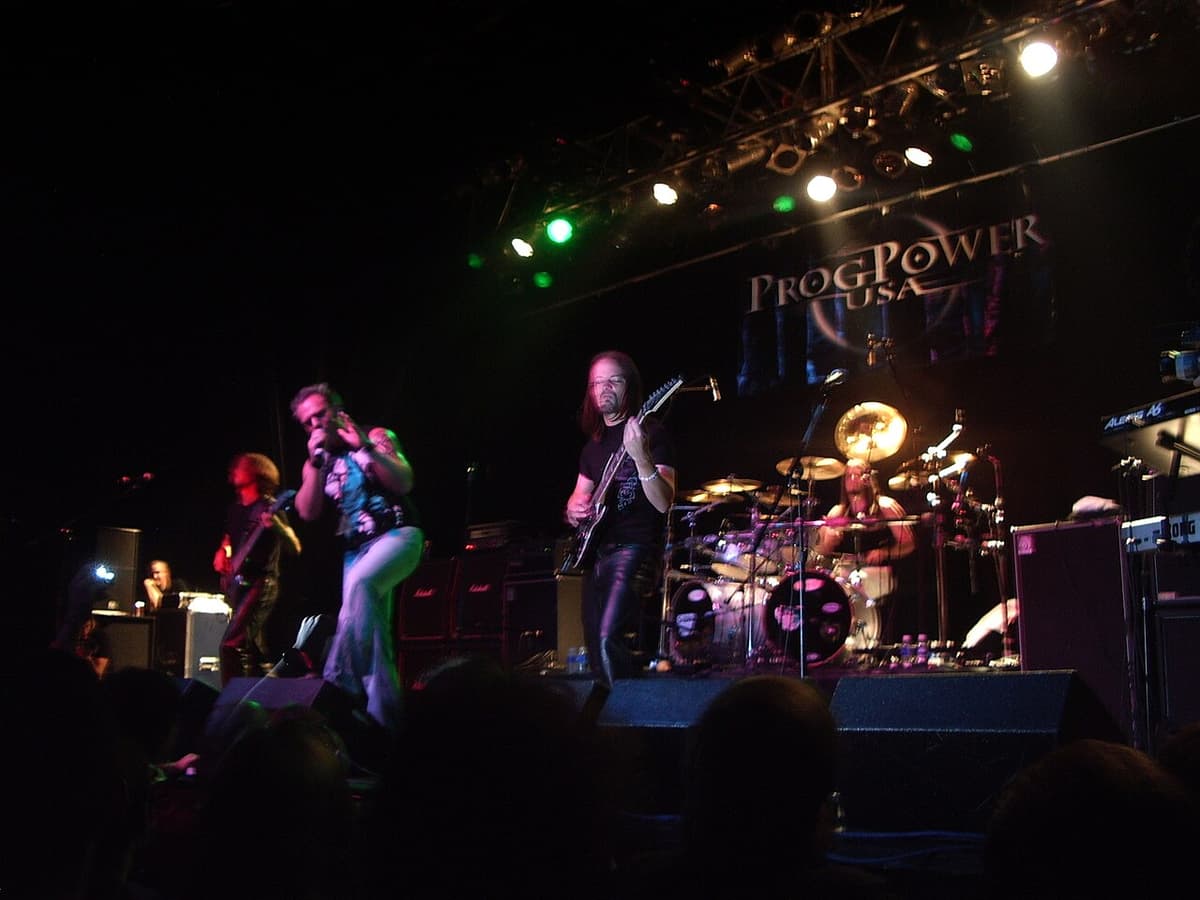
Balance of Power are an English progressive power metal band formed in 1995.


Shares progressive power metal, theatrical melodic phrasing, high-register vocal acrobatics, power metal (signature)
Shares progressive power metal, power metal, progressive metal, belting (signature)
Shares power metal, progressive metal, belting, cathedral (subgenre)
Shares neoclassical synth flourishes, power metal, progressive metal, belting (detail)
Shares high-register vocal acrobatics, power metal, progressive metal, belting (detail)
Shares power metal, progressive metal, heavy metal, cathedral (subgenre)
Cassette uses generative AI to enrich its catalog. How we use AI →