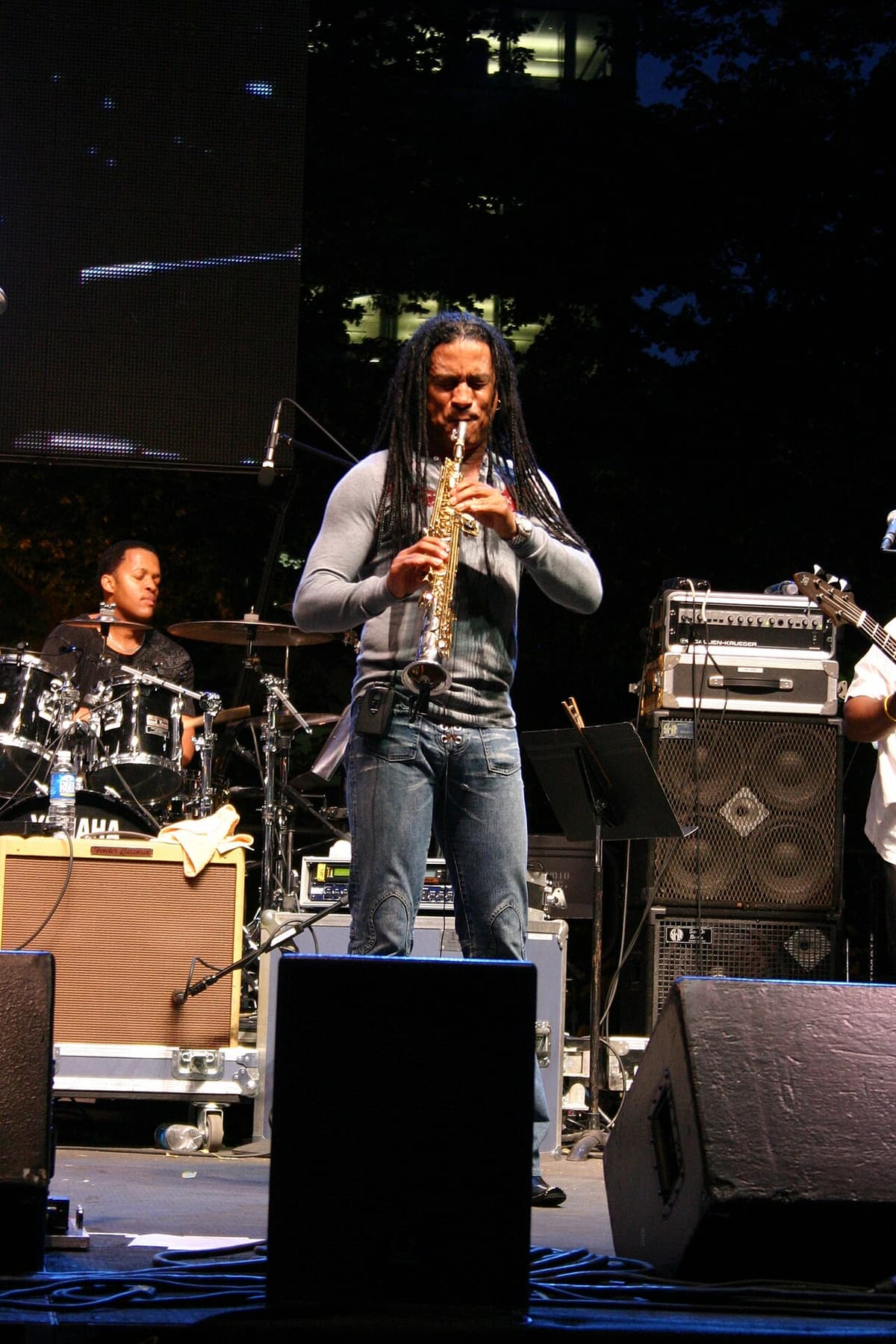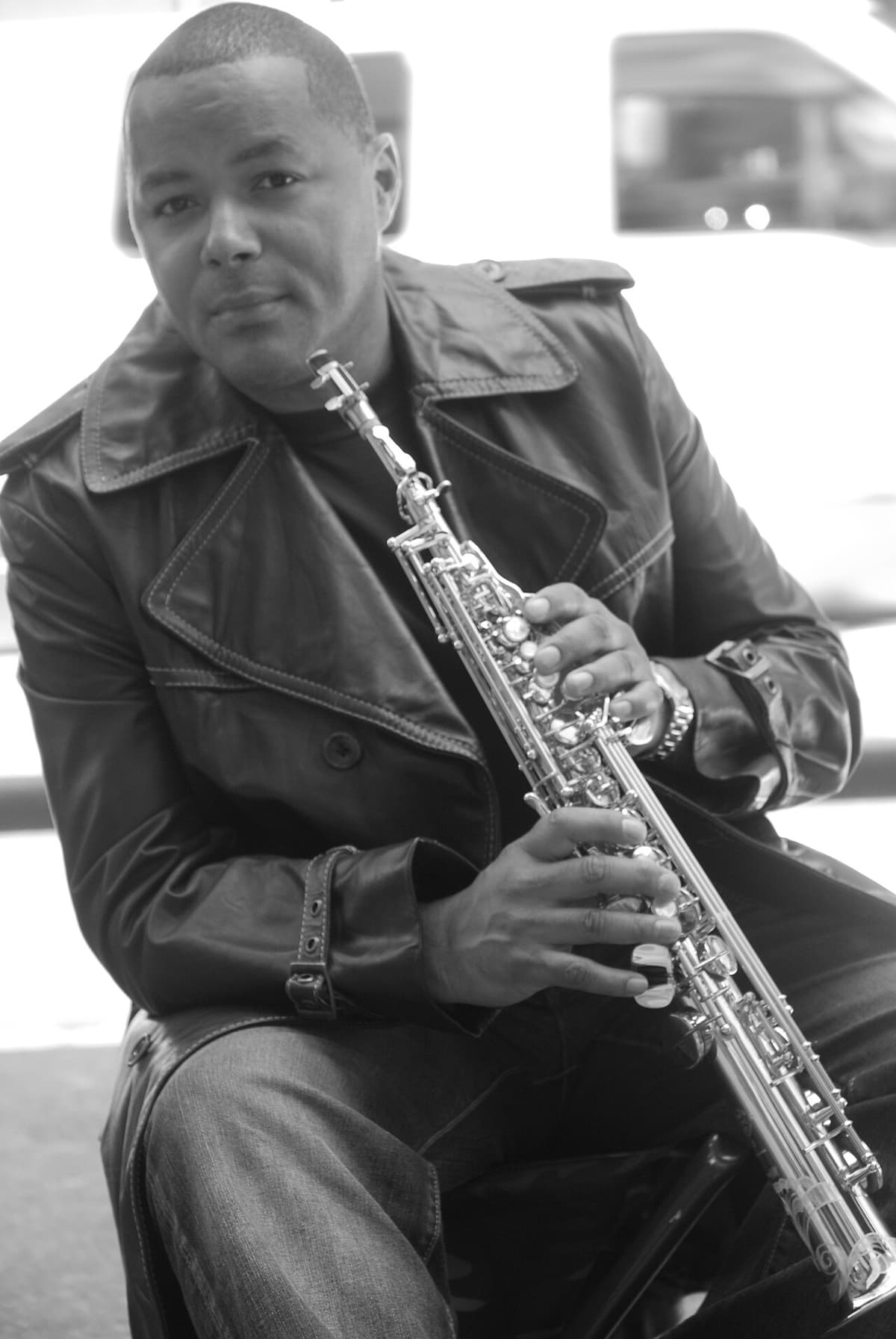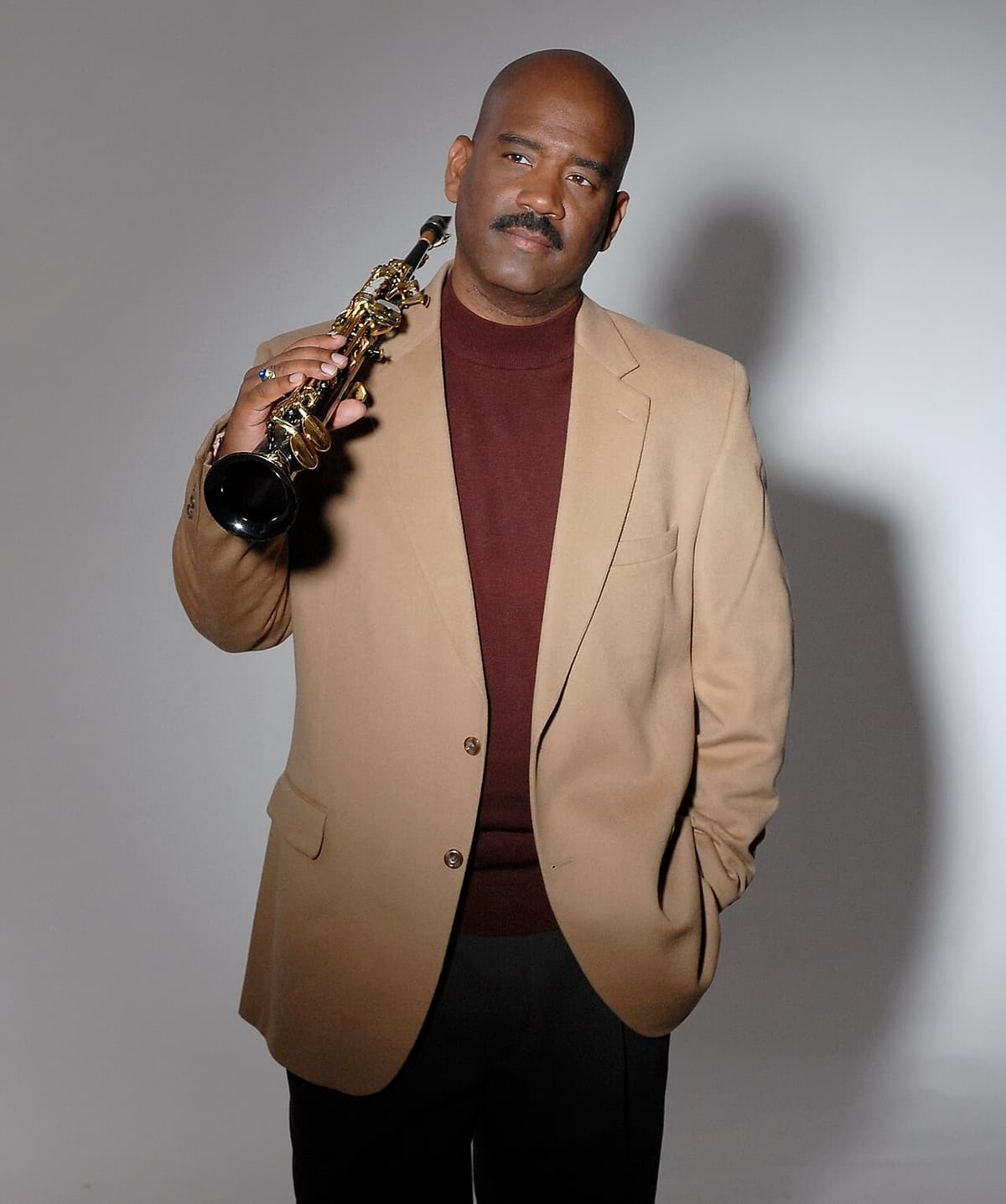
Walter Beasley
Silky saxophone melodies meeting polished R&B grooves. It is the sound of a late-night city skyline, sophisticated, sensual, and perfectly relaxed.
Silky saxophone melodies meeting polished R&B grooves. It is the sound of a late-night city skyline, sophisticated, sensual, and perfectly relaxed.
Walter Beasley crafts a sound that sits at the intersection of high-end jazz technique and the velvet textures of 90s Quiet Storm R&B. His saxophone playing is remarkably fluid, characterized by a liquid tone that feels both effortless and meticulously controlled. It is music designed for the 'after hours,' where the sharp edges of the world are softened by lush synthesizer pads and steady, mid-tempo grooves.
What sets Beasley apart is his dual identity as a virtuoso performer and a dedicated educator. You can hear the academic precision in his phrasing, yet it never feels cold or clinical. He often integrates his own soulful vocals, creating a dialogue between the human voice and the horn that feels like a private conversation. His work avoids the frantic energy of bebop in favor of a melodic, song-oriented approach that prioritizes emotional resonance.
Start with 'For Your Pleasure' to hear him at his commercial and creative peak. It perfectly captures the polished, urban-night aesthetic that defined his most influential era. If you want to hear his more intimate, romantic side, 'Intimacy' offers a masterclass in how to blend jazz instrumentation with the heart of a soul singer.
Walter Beasley (born May 24, 1961) is an American saxophonist, a professor of music at the Berklee College of Music, and founder of Affable Publishing and Affable Records.
Shares urban adult contemporary groove, quiet storm radio aesthetic, smooth jazz, saxophone (detail)
Shares smooth jazz, saxophone, vocal jazz, soul (signature)
Shares smooth jazz, saxophone, soul, romantic (signature)
Shares smooth jazz, soul, saxophone, romantic (signature)
Shares smooth jazz, voice as instrument, soul, saxophone (signature)
Shares smooth jazz, soul, saxophone, romantic (signature)
Shares urban adult contemporary groove, smooth jazz, vocal jazz, soul (detail)
Cassette uses generative AI to enrich its catalog. How we use AI →