Ариэль
Rich Soviet-era folk rock that pairs intricate vocal harmonies with prog-rock ambition. Warm, pastoral, and deeply rooted in Russian traditional storytelling.
Rich Soviet-era folk rock that pairs intricate vocal harmonies with prog-rock ambition. Warm, pastoral, and deeply rooted in Russian traditional storytelling.
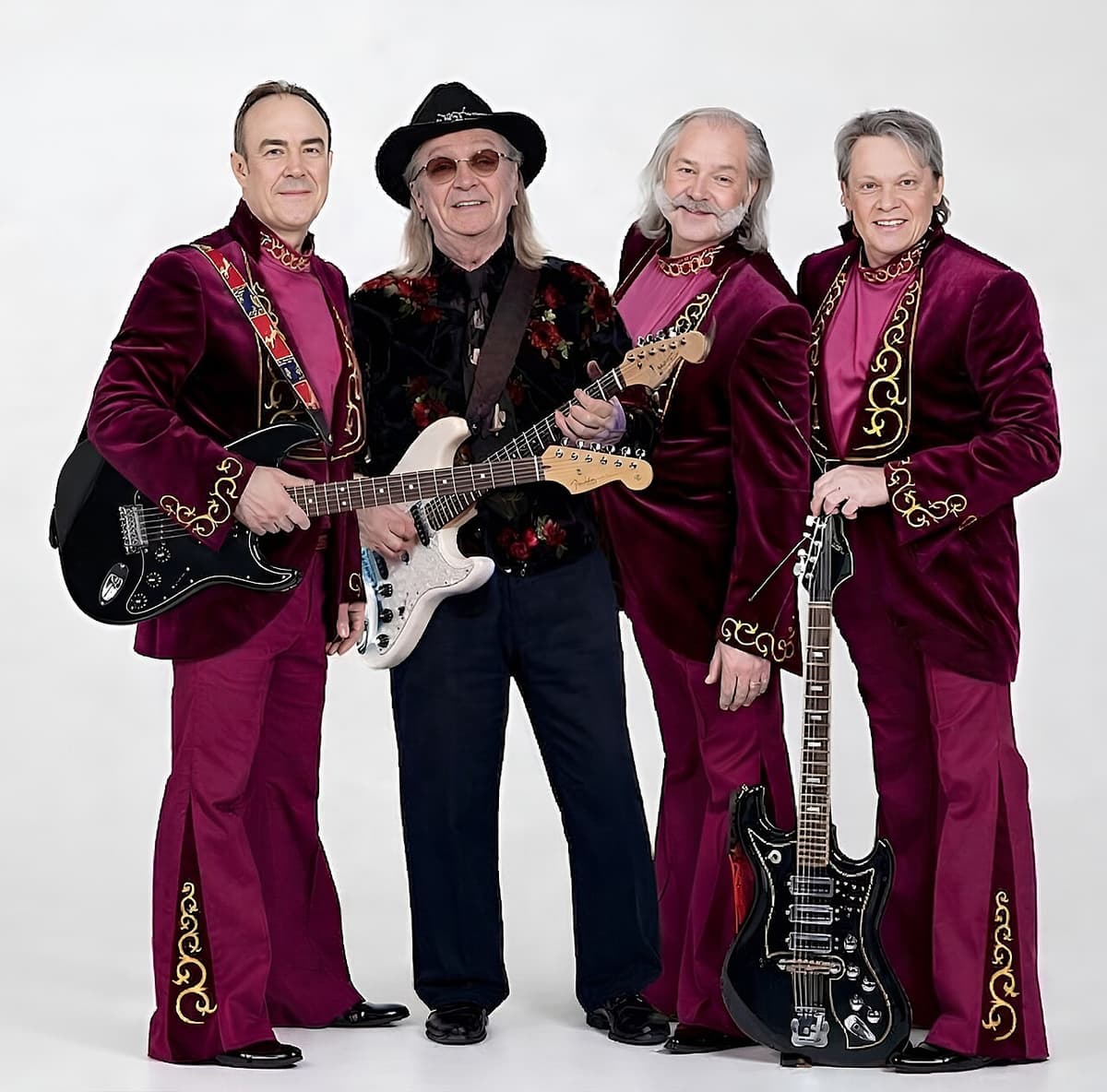
Ariel sounds like a bridge between a rural village square and a 1970s London recording studio. Their music is characterized by an incredible warmth, largely due to the lush four-part vocal harmonies that sit at the center of every arrangement. You will hear the familiar crunch of electric guitars and the swirling textures of Hammond organs, but they are constantly interrupted or enhanced by the reedy trill of a bayan or the pastoral flutter of a flute. It is music that feels both grand and grounded.
What truly distinguishes Ariel is their ability to treat traditional Russian folk songs as blueprints for progressive rock epics. While their contemporaries in the West were looking to classical music or jazz for complexity, Ariel looked to the modal melodies and polyphonic singing of their own heritage. This results in a sound that is technically demanding and sophisticated but retains a soulful, earthy honesty that prevents it from ever feeling cold or academic.
To understand their magic, start with their self-titled 1975 album. It captures the band at their most adventurous, where the transition from a simple folk melody to a sprawling synth-and-guitar workout feels entirely natural. It is the perfect entry point for anyone curious about how the 'VIA' movement in the USSR managed to sneak genuine artistic subversion into popular songcraft.
Ariel (Russian: Ариэль, romanized: Ariel) are a "VIA" (pop/rock) band based in Chelyabinsk, Russia. They were formed in 1967 and headed by Valery Yarushin. From 1989 to the present day, they have been headed by Rostislav Gepp. The group emerged from a fusion of two earlier (1960s) ensembles, called Ariel and Allegro. Yarushin, who had been in charge of Allegro, became the manager of the new group. The band was popular during the Soviet era and won several awards. Their performances often made use of material of Russian folk music.
Shares folk rock, progressive rock, art rock (subgenres); analog warmth, live recording, studio polished (production style)
Shares analog warmth, layered dense, live recording (production style); progressive rock, art rock, psychedelic rock (subgenres)
Shares folk rock, progressive rock, art rock (subgenres); analog warmth, live recording, studio polished (production style)
Shares analog warmth, layered dense, live recording (production style); nostalgic, contemplative, triumphant (moods)
Shares folk rock, progressive rock, art rock (subgenres); nostalgic, contemplative, triumphant (moods)
Shares folk rock, progressive rock, art rock (subgenres); analog warmth, layered dense, studio polished (production style)
Shares analog warmth, layered dense, studio polished (production style); progressive rock, art rock, psychedelic rock (subgenres)
Shares progressive rock, art rock, folk rock (subgenres); contemplative, nostalgic, wistful (moods)
Shares folk rock, progressive rock, psychedelic rock (subgenres); nostalgic, contemplative, wistful (moods)
Shares folk rock, art rock, pop rock (subgenres); analog warmth, live recording, studio polished (production style)
Shares folk rock, flute, progressive rock, psychedelic rock (signature)
Cassette uses generative AI to enrich its catalog. How we use AI →