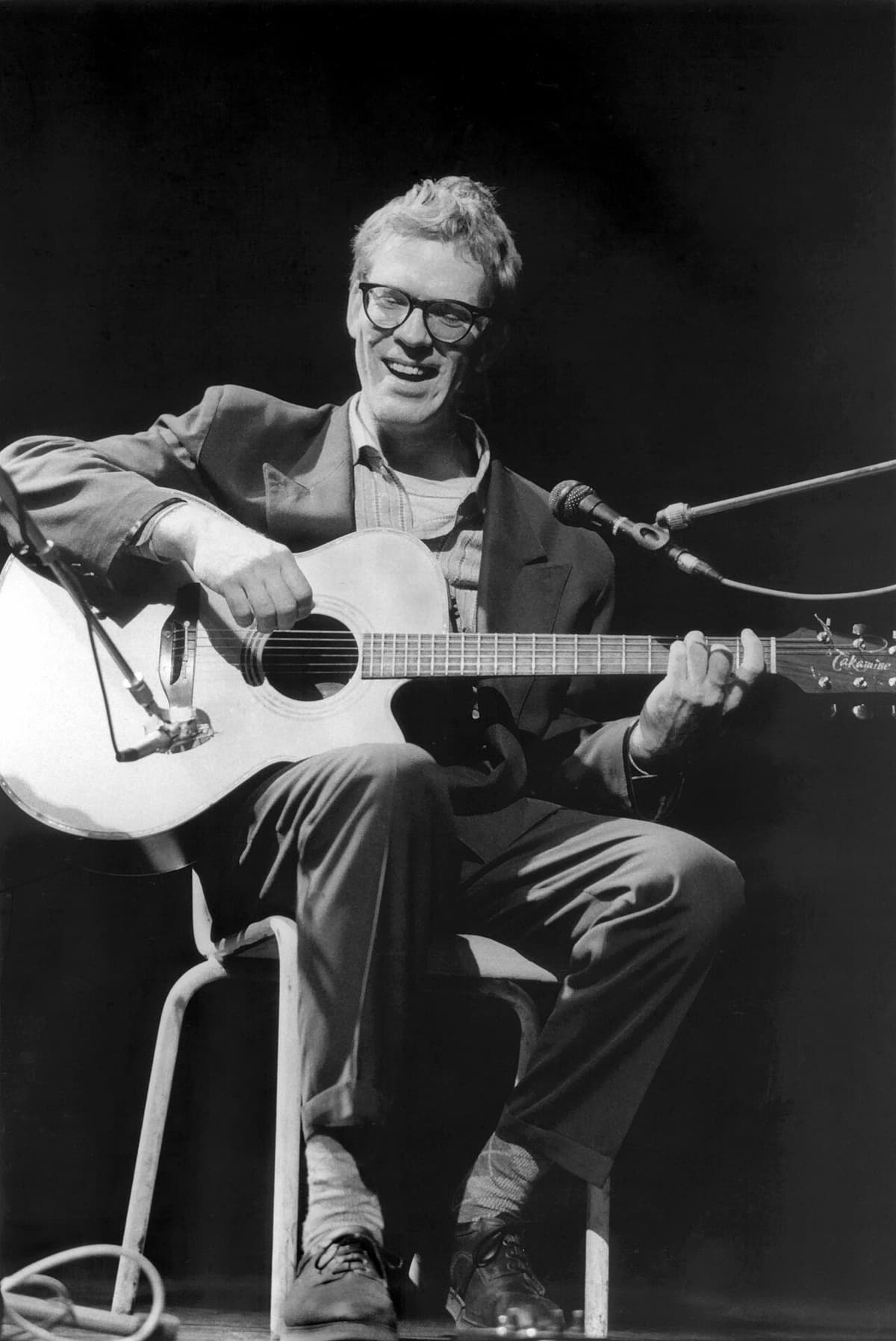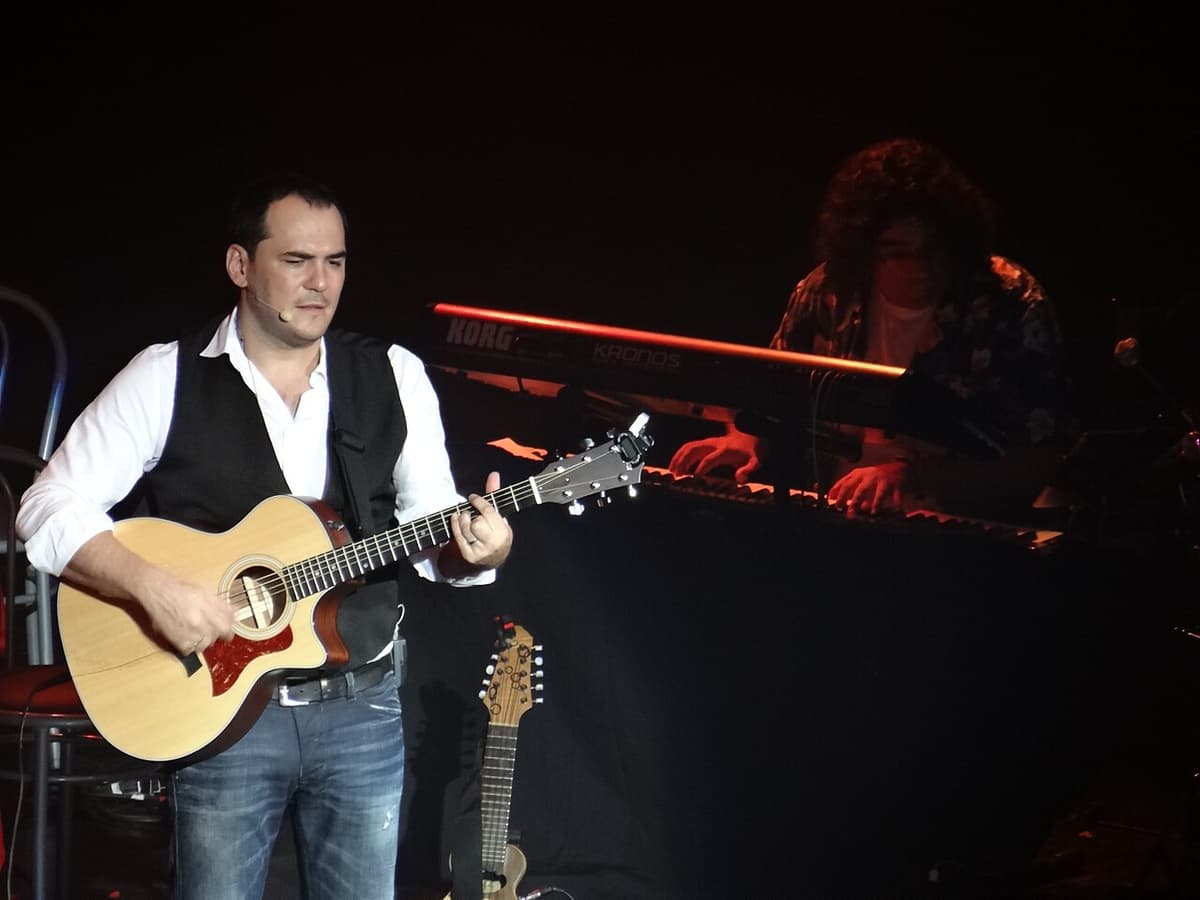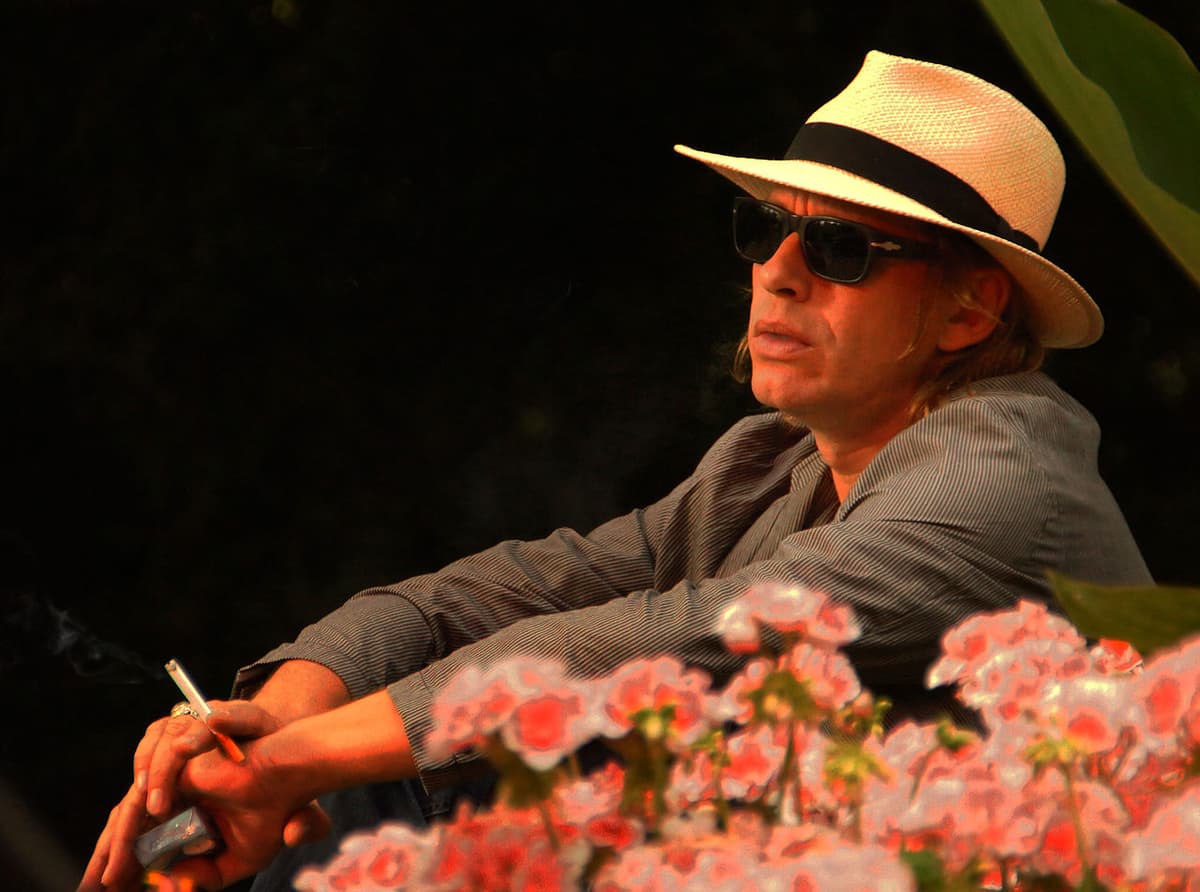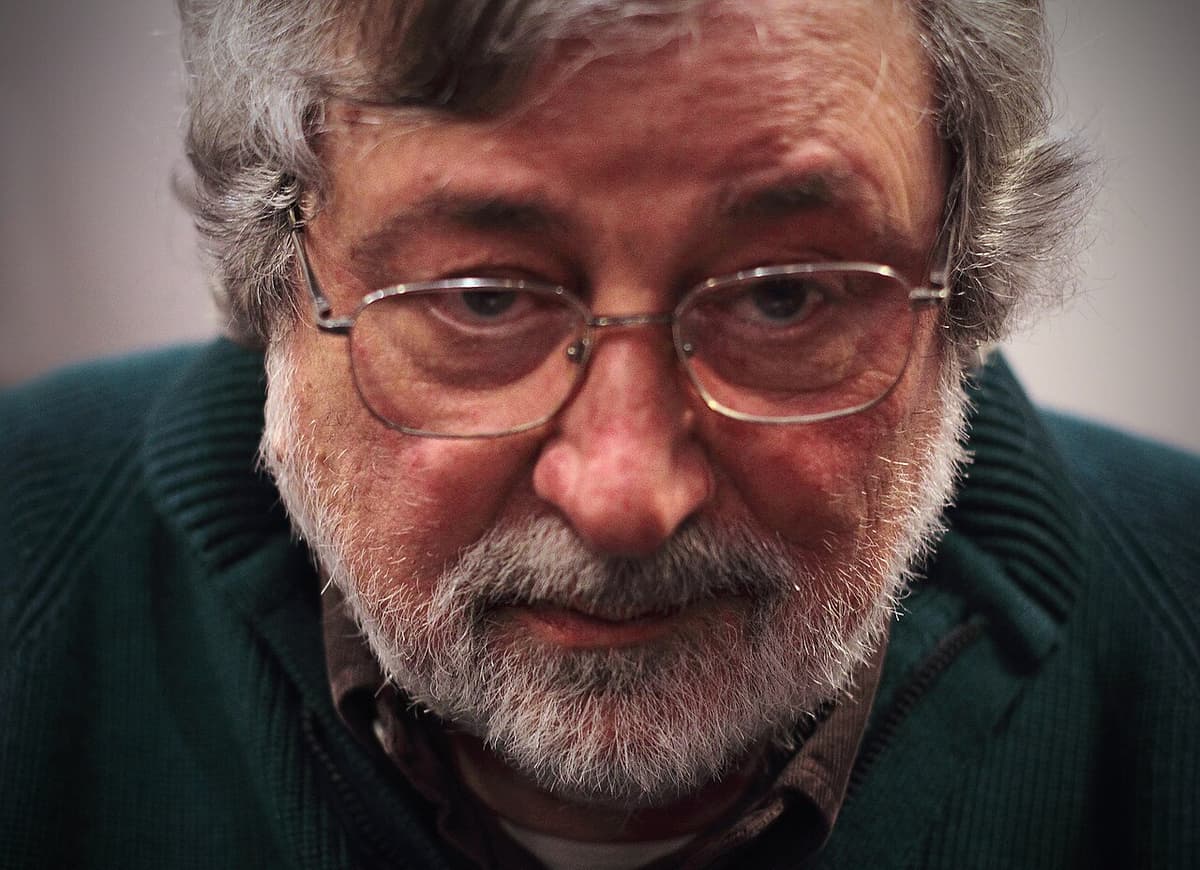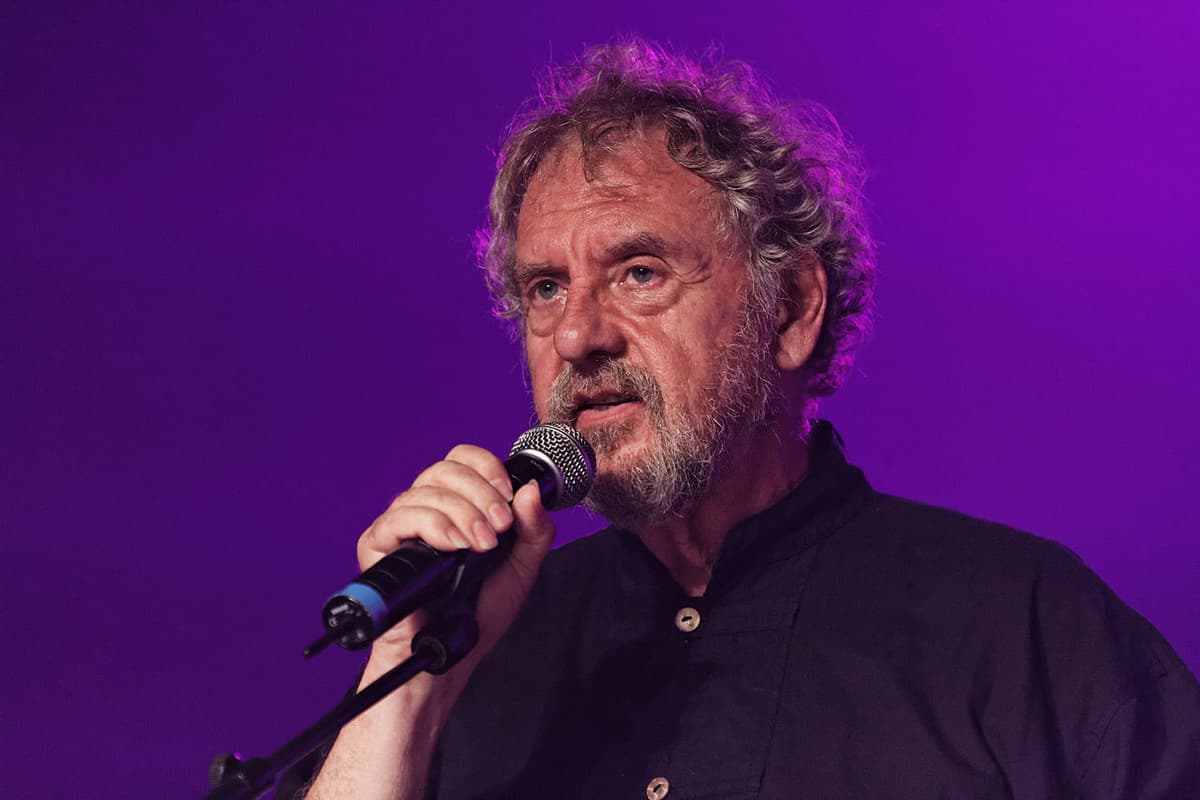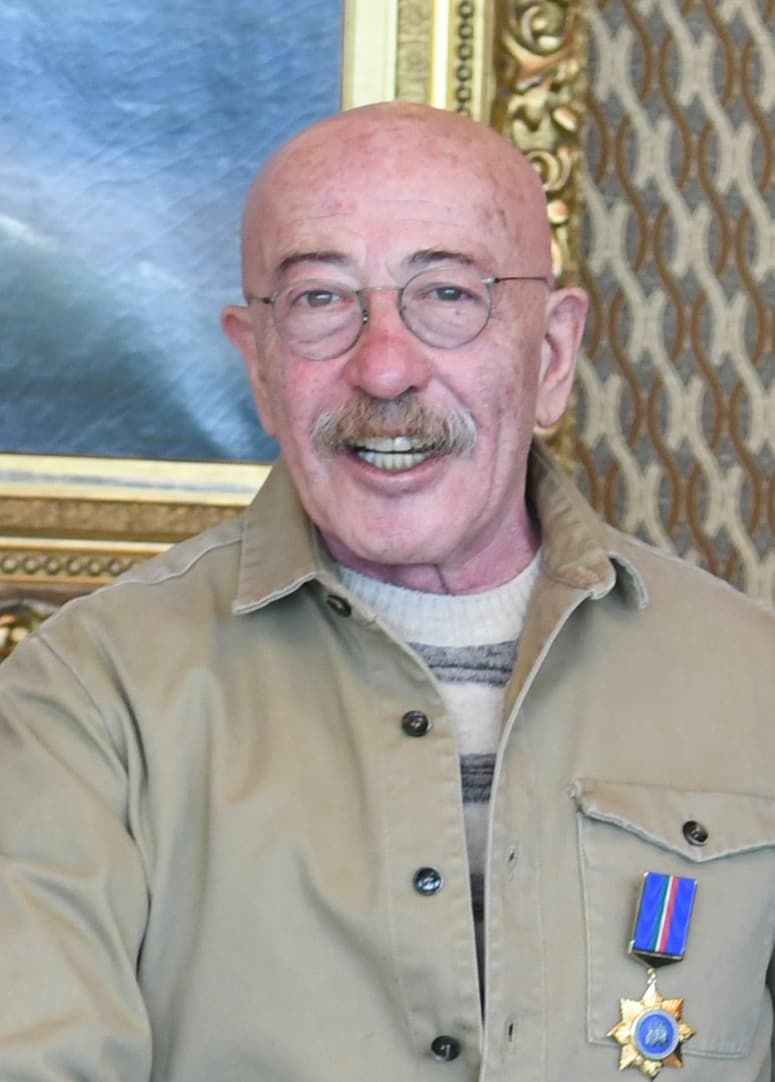
Александр Розенбаум
Gravelly baritone storytelling and intricate twelve-string guitar work. A master of the Russian bard tradition, blending gritty urban realism with soulful jazz waltzes.
Gravelly baritone storytelling and intricate twelve-string guitar work. A master of the Russian bard tradition, blending gritty urban realism with soulful jazz waltzes.
Listening to Alexander Rosenbaum feels like sitting in a dimly lit Saint Petersburg kitchen while a wise, world-weary friend tells you the honest truth about life, war, and love. His music is defined by a heavy, percussive twelve-string guitar style and a baritone voice that carries the weight of history. It is deeply masculine yet profoundly sensitive, moving effortlessly from the sharp, rhythmic bite of criminal underworld tales to the sweeping, cinematic melancholy of a jazz-inflected waltz.
What truly sets him apart is his technical mastery and thematic breadth. Unlike many bards who rely on simple chords, Rosenbaum uses a unique Open G tuning that gives his acoustic arrangements a rich, resonant, and almost orchestral depth. His background as a doctor and his fascination with historical themes - from the Cossacks to the Afghan War - infuse his lyrics with a clinical eye for detail and a poet's heart for tragedy.
Start with 'Vals-Boston' to experience his sophisticated melodic side, then move to 'Gop-Stop' for the rhythmic, narrative grit that made him a household name. It is music for the quiet hours of the night when you are ready to confront the past and find beauty in the struggle.
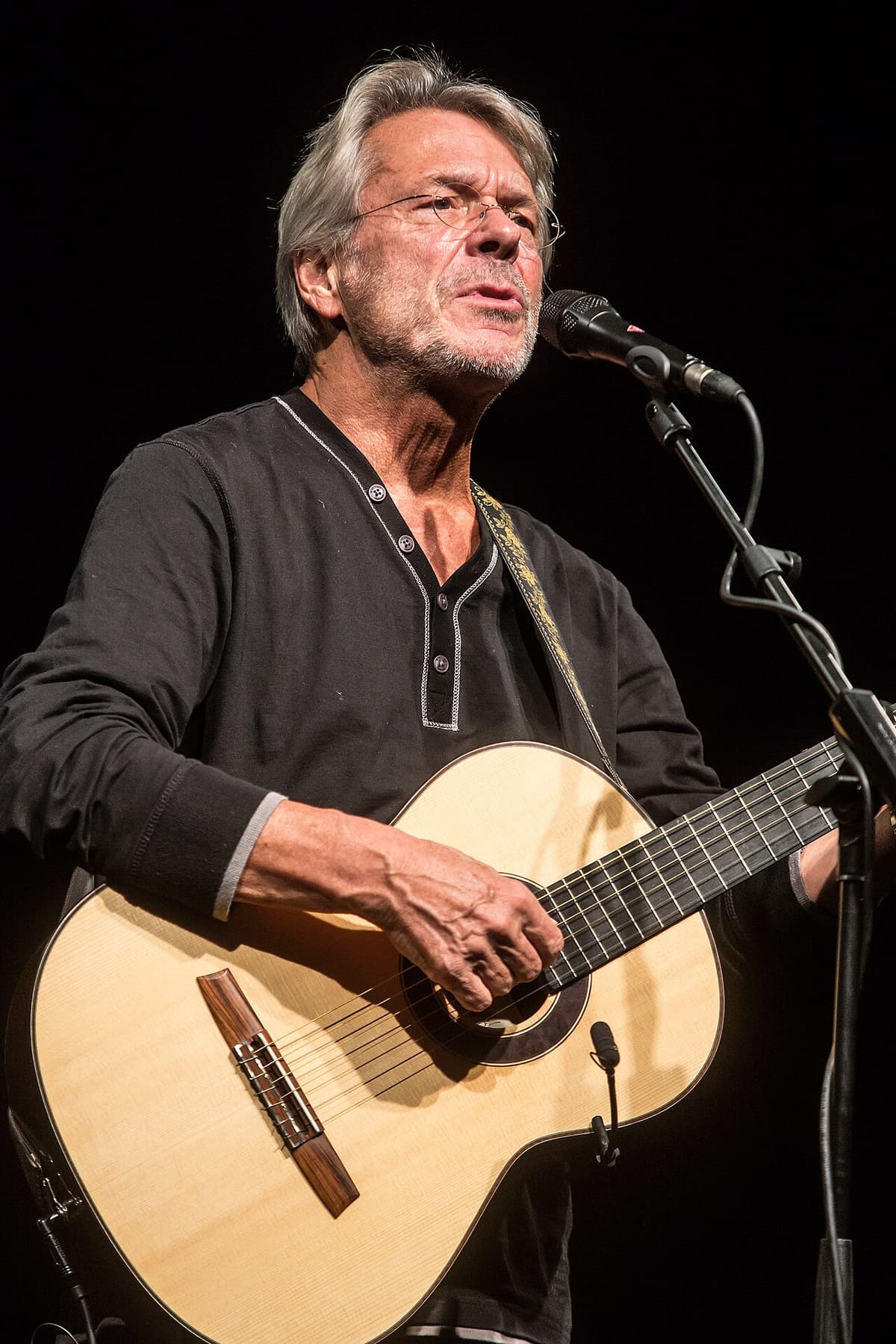
Alexander Yakovlevich Rosenbaum PAR (Russian: Александр Яковлевич Розенбаум, Aleksandr Jakovlevič Rozenbaum) (born September 13, 1951) is a Russian bard from Saint Petersburg. Among his most famous songs are the ones about Leningrad, the Soviet–Afghan War, Cossacks, and Odessa. Songs such as "Gop-Stop" (a comedy about two gangsters executing an unfaithful lover) and "Vals-boston" (The Boston Waltz) are popular across Russian social groups and generations. Rosenbaum is an accomplished guitarist and accompanies himself on either a six- or twelve-string acoustic guitar, using the Open G tuning adopted from the Russian seven string guitar. His attitude toward the criminal song genre can best be illustrated by his own words: Only a dull-witted person would think that this should not be, that this is wrong. All those songs that I call "songs of confinement," that have lasted and will last, are works of art, and as a rule they are written by cultured and educated people. Because everything that is composed in huge quantities at penitentiaries can very rarely be described as [high quality] work. ... It is very important to understand why those songs are composed, for whom and how. ... They are set in a criminal context, they contain criminal themes, but they are not at all about that. If you read and listen to them carefully, they will tell you of faithfulness, love and many other things. ... I am sometimes asked: "Why do you not write blatnaya pesnya anymore?" I am not interested in it today. The nondescript chaos now has abated somewhat, fortunately, but three, four or five years ago you switched on the crate – and had low-down trash rushing at you... Not the blatnaya pesnya that I treat with respect, but cheap blatota.
Shares baritone, narrating, acoustic folk, stripped back (signature)
Cassette uses generative AI to enrich its catalog. How we use AI →