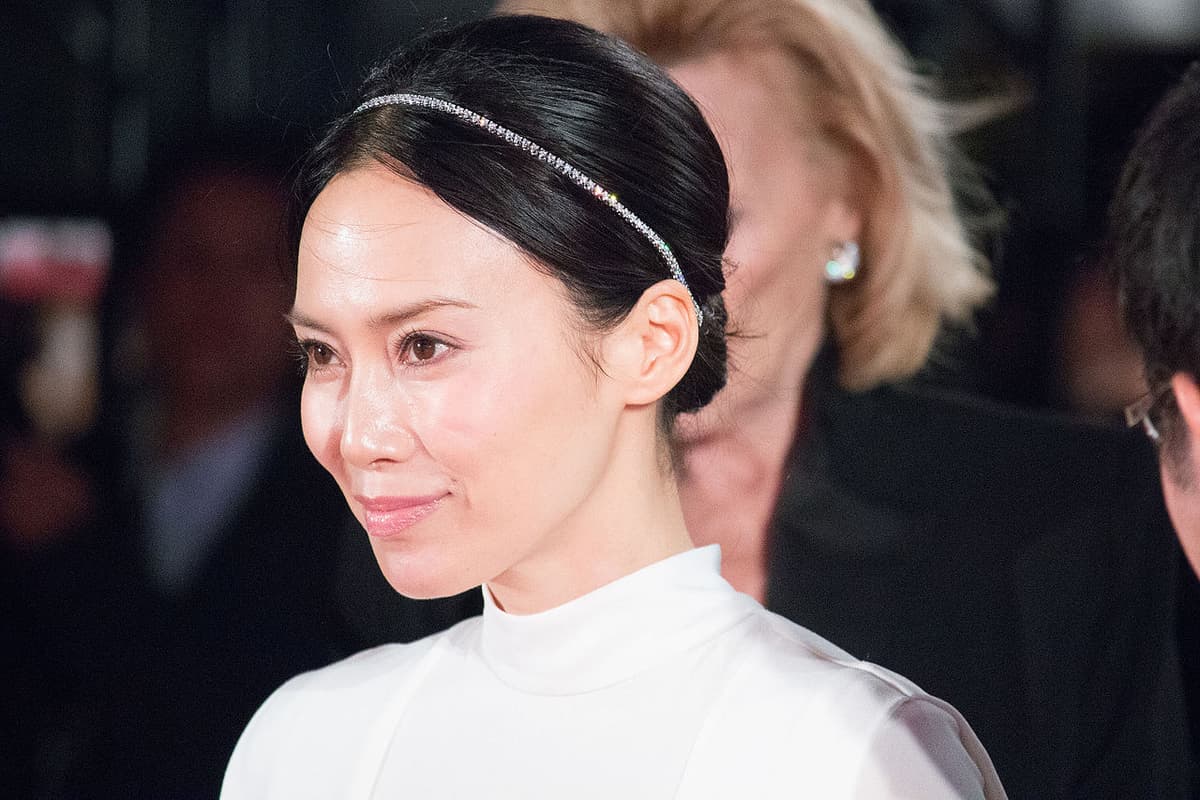
中谷美紀
Sophisticated, breathy art-pop produced by Ryuichi Sakamoto. Murky trip-hop beats and cinematic synths for late-night urban solitude.
Sophisticated, breathy art-pop produced by Ryuichi Sakamoto. Murky trip-hop beats and cinematic synths for late-night urban solitude.
Miki Nakatani's music is the sound of a high-end Tokyo lounge at 3 AM, where the air is thick with mystery and the lights are dimmed to a soft glow. Her collaboration with Ryuichi Sakamoto resulted in a trilogy of albums that define 90s Japanese art-pop, blending organic instrumentation like cellos and pianos with the glitchy, rhythmic pulse of trip-hop and downtempo electronica.
What sets Nakatani apart is her vocal delivery: a hushed, almost whispered style that feels intimate yet emotionally distant. She doesn't belt; she narrates through a haze of analog synths and sophisticated arrangements. The production is dense and layered, often feeling like a film score for a movie that hasn't been made yet, full of tension and quiet beauty.
Start with the album 'Cure' or the single 'Mind Circus'. These tracks perfectly capture the intersection of her breathy vocals and Sakamoto's masterful electronic textures, offering a gateway into a world of refined, melancholic pop that rewards deep, focused listening.
Miki Nakatani (中谷 美紀, Nakatani Miki; born 12 January 1976) is a Japanese actress and singer who began her professional career as a member of the girl group Sakurakko Club. Nakatani focused on acting after her departure from the band, making her debut on the popular television drama Under the Same Roof. She relaunched her music career under the tutelage of producer Ryuichi Sakamoto in 1996, releasing three albums: Shokumotsu Rensa (1996), Cure (1997) and Shiseikatsu (1999). Her best-known songs include "Mind Circus" and "Suna no Kajitsu", which peaked at number ten on the Oricon charts. As an actress, Nakatani has received six Japan Academy Awards for her roles in When the Last Sword Is Drawn (2002), Memories of Matsuko (2006), and Zero Focus (2009), among others. She is most known internationally for her role as Mai Takano in the Japanese horror film franchise Ring. Nakatani played Jun Shibata on the television drama Keizoku, which spawned a special and a film.
Shares art pop, trip-hop, downtempo (subgenres); mysterious, melancholic, dreamy (moods)
Shares art pop, trip-hop, downtempo (subgenres); mysterious, melancholic, dreamy (moods)
Shares mysterious, melancholic, dreamy (moods); art pop, trip-hop, downtempo (subgenres)
Shares urban night, rainy day, late night (atmosphere); analog warmth, layered dense, sample based (production style)
Shares trip-hop, downtempo, ambient techno (subgenres); urban night, rainy day, late night (atmosphere)
Shares trip-hop, downtempo, art pop (subgenres); urban night, rainy day, late night (atmosphere)
Shares mysterious, melancholic, dreamy (moods); breathy, deadpan, whispered (vocal style)
Shares urban night, rainy day, late night (atmosphere); trip-hop, downtempo, ambient techno (subgenres)
Shares studio polished, layered dense, sample based (production style); art pop, trip-hop, downtempo (subgenres)
Shares trip-hop, breathy, ambient techno, art pop (signature)
Shares trip-hop, breathy, art pop, dreamy (signature)
Cassette uses generative AI to enrich its catalog. How we use AI →