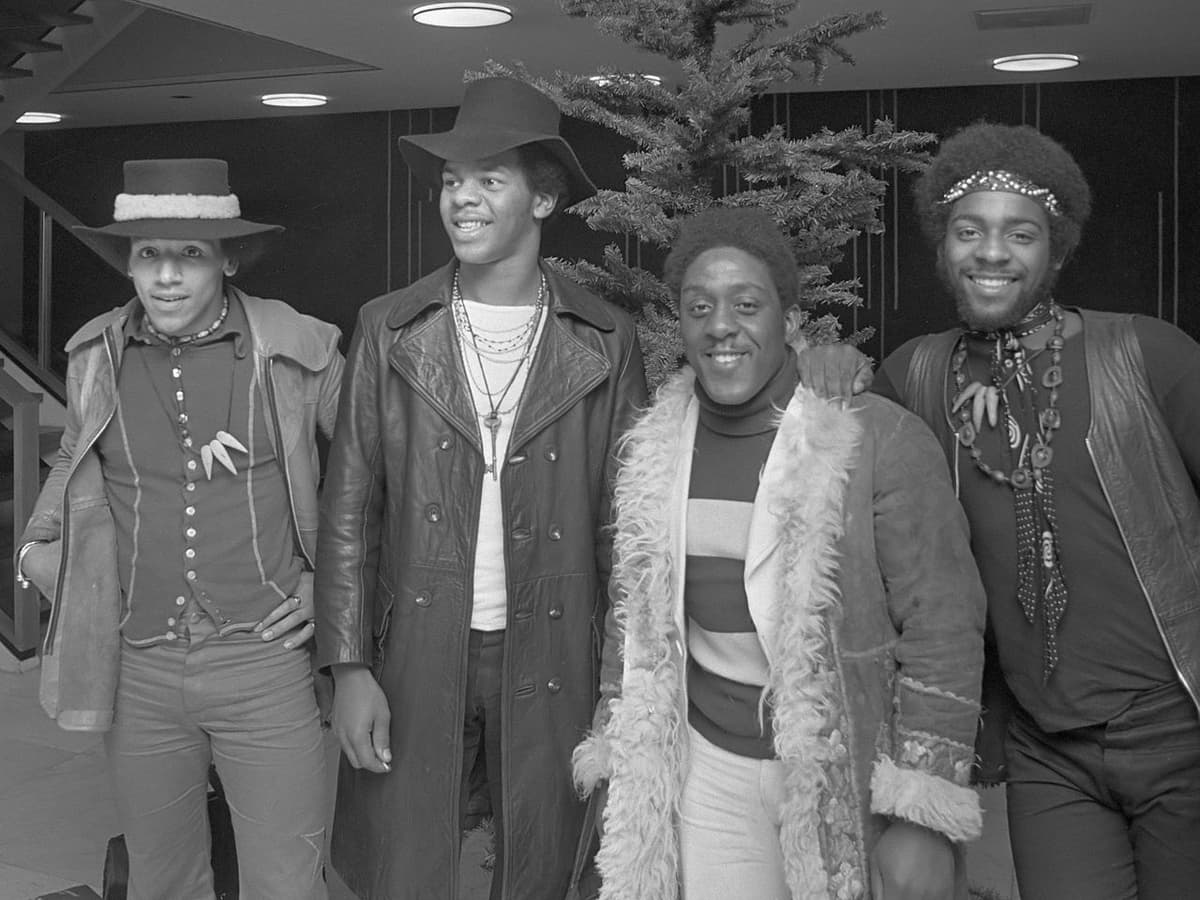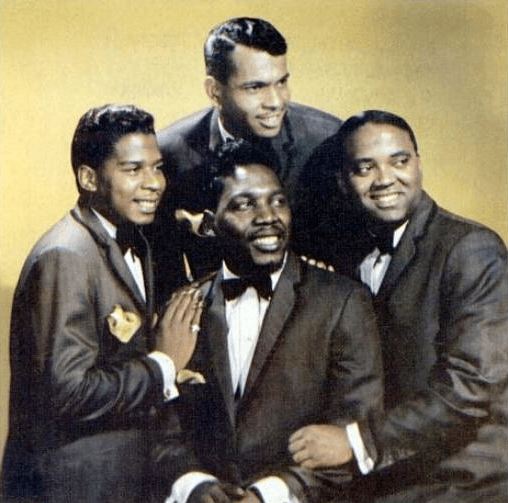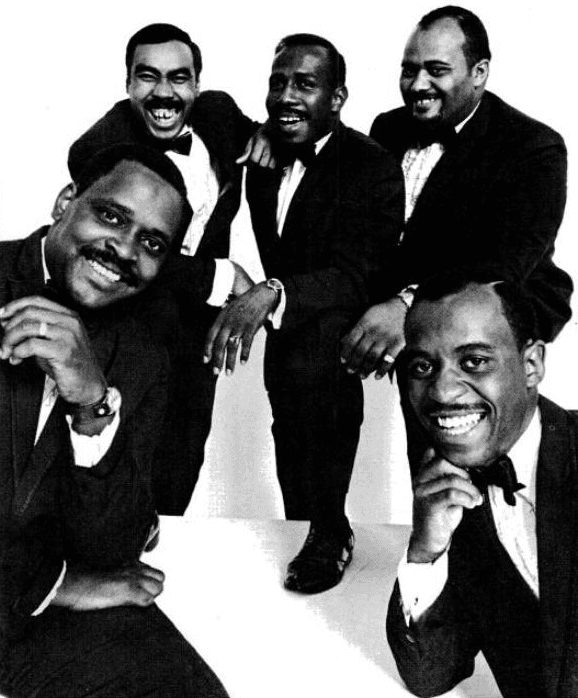
The Tymes
Silky vocal harmonies and gentle orchestral swells that capture the innocence of early soul. Perfect for slow dances and sunset reflections.
Silky vocal harmonies and gentle orchestral swells that capture the innocence of early soul. Perfect for slow dances and sunset reflections.
The Tymes represent the absolute peak of sophisticated vocal harmony, bridging the gap between the street-corner doo-wop of the 1950s and the lush, symphonic soul that would eventually define Philadelphia. Their sound is characterized by an effortless smoothness, where lead vocals and backing harmonies blend so perfectly they feel like a single, multi-faceted instrument. It is music that feels inherently warm, bathed in the golden light of a perpetual late summer afternoon.
What truly sets them apart is their restraint and elegance. While many of their contemporaries leaned into the grit of gospel-influenced R&B, The Tymes maintained a polished, almost cinematic quality. They utilized environmental sounds, like crashing waves and finger snaps, to create a sense of place that makes their hits feel like short, romantic films. Their transition from early 60s pop-soul to mid-70s disco-inflected hits showed a rare ability to modernize their vocal precision without losing their core identity.
Start with their 1963 masterpiece 'So Much in Love' to hear the definitive example of their atmospheric vocal style. From there, jump forward to 'Ms Grace' to hear how they adapted their signature harmonies to a more upbeat, soulful groove. They are the essential choice for anyone who finds beauty in the architecture of a perfectly stacked vocal chord.
The Tymes are an American soul vocal group who enjoyed equal success in the United Kingdom and in their homeland. They are one of the few acts to have one chart-topper in both the US and UK with different songs.
Shares wall of sound, disco, harmonized, soul (production)
Shares traditional pop, harmonized, soul, tender (subgenre)
Shares wall of sound, traditional pop, harmonized, soul (production)
Shares wall of sound, traditional pop, soul, tender (production)
Shares disco, traditional pop, soul, tender (subgenre)
Cassette uses generative AI to enrich its catalog. How we use AI →