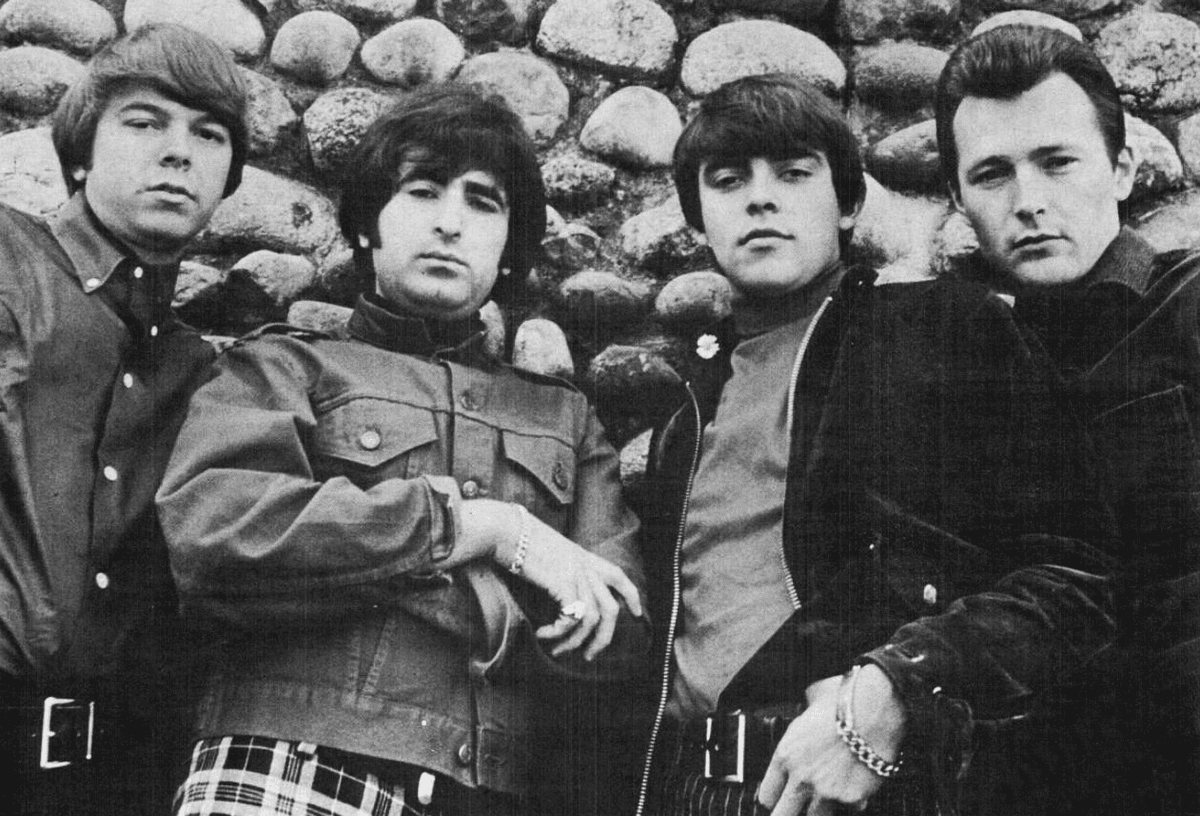
The Standells
Snarling 60s garage rock defined by buzzing organ riffs and a proto-punk attitude. Gritty, blue-collar anthems for dive bars and high-speed drives.
Snarling 60s garage rock defined by buzzing organ riffs and a proto-punk attitude. Gritty, blue-collar anthems for dive bars and high-speed drives.
The Standells embody the raw, unpolished spirit of 1960s garage rock. Their sound is built on a foundation of driving rhythms, fuzzed-out guitar riffs, and the unmistakable, reedy buzz of the Vox Continental organ. It is music that feels immediate and lived-in, capturing a specific moment when rock and roll was shedding its polite veneer for something more aggressive and street-level.
What sets them apart is their 'snotty' vocal delivery and a lyrical focus on social friction and urban identity. While many of their contemporaries were chasing psychedelic whimsy, The Standells stayed grounded in the grit of the Sunset Strip and the imagined grime of Boston. Their production is punchy and analog, favoring energy and attitude over studio perfection, which effectively bridged the gap between early rock and roll and the punk explosion of the 70s.
Start with the 1966 classic 'Dirty Water' to hear their most iconic groove, then dive into 'Sometimes Good Guys Don't Wear White' for a masterclass in proto-punk defiance. These tracks showcase a band that understood the power of a simple, infectious hook delivered with maximum conviction.
The Standells are an American garage rock band from Los Angeles, California, formed in the 1960s, who have been referred to as a "punk band of the 1960s", and are said to have inspired such groups as the Sex Pistols and Ramones. They recorded the 1966 hit "Dirty Water", written by their producer, Ed Cobb. (Ed Cobb also wrote "Tainted Love", a Gloria Jones song which became world famous when Soft Cell covered it.) "Dirty Water" is the anthem of several Boston sports teams and is played following every Boston Red Sox and Boston Bruins home win.
Shares garage rock, psychedelic rock (subgenres); lo fi, analog warmth, compressed loud (production style)
Shares garage rock, psychedelic rock, art rock (subgenres); dive bar, basement show, urban night (atmosphere)
Shares garage rock, psychedelic rock (subgenres); lo fi, analog warmth, live recording (production style)
Shares lo fi, analog warmth, compressed loud (production style); garage rock, psychedelic rock (subgenres)
Shares lo fi, analog warmth, compressed loud (production style); garage rock, psychedelic rock (subgenres)
Shares garage rock, psychedelic rock (subgenres); rebellious, defiant, energetic (moods)
Shares garage rock, psychedelic rock, art rock (subgenres); rebellious, defiant, energetic (moods)
Shares garage rock, psychedelic rock (subgenres); rebellious, defiant, energetic (moods)
Shares garage rock, psychedelic rock, art rock (subgenres); lo fi, analog warmth, live recording (production style)
Shares organ, garage rock, psychedelic rock, art rock (signature)
Shares organ, garage rock, defiant, psychedelic rock (signature)
Cassette uses generative AI to enrich its catalog. How we use AI →