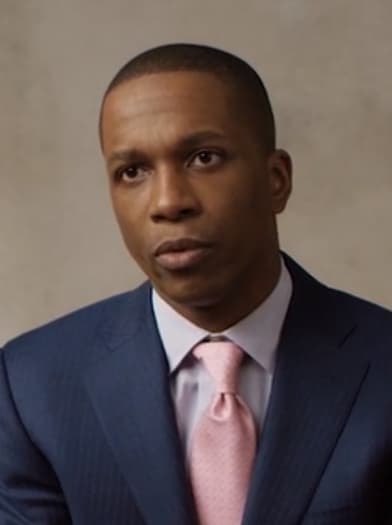
Steve Tyrell
Warm, gravelly vocals meeting lush orchestral arrangements. Sophisticated standards for candlelit dinners and late-night romance.
Warm, gravelly vocals meeting lush orchestral arrangements. Sophisticated standards for candlelit dinners and late-night romance.
Steve Tyrell sounds like the quintessential New York cabaret experience, even when you are listening in your living room. His voice is a distinctive baritone that carries a pleasant, sandpaper-rough edge, contrasting beautifully with the silky, high-gloss orchestral arrangements that typically surround him. It is music that feels expensive, well-tailored, and deeply rooted in the mid-century American songbook.
What makes Tyrell truly stand out is his background as a producer. He approaches these classic standards with a contemporary clarity, ensuring every instrument is perfectly placed in the mix. While other crooners aim for a smooth, buttery delivery, Tyrell's slightly weathered vocal texture adds a layer of lived-in wisdom and approachability to even the most grand romantic gestures.
Start with 'A New Standard' to hear the blueprint of his sound. It captures the charm that made him a favorite for film soundtracks and high-end hotel residencies, offering a masterclass in how to breathe fresh life into songs that have been sung a thousand times before.
Steve Tyrell (born Stephen Louis Bilao III, December 19, 1944) is an American singer and record producer. He won a 2004 Grammy Award as the producer of the Rod Stewart studio album Stardust: The Great American Songbook, Volume III. He also hosts a jazz radio program on KKJZ at California State University, Long Beach. Tyrell was head of artists and repertoire and promotion at Scepter Records. He produced B. J. Thomas' hit "Rock and Roll Lullaby." He wrote "How Do You Talk to an Angel" for the TV show The Heights, "Hold On" for Jamie Walters, "It's Only Love" for B. J. and Elvis Presley, and all the songs in the teen sitcom California Dreams. He sang "The Way You Look Tonight" on the soundtrack for Father of the Bride (1991). Tyrell inherited the annual holiday residency at the Carlyle Hotel in Manhattan from cabaret singer Bobby Short.
Cassette uses generative AI to enrich its catalog. How we use AI →