Sonic Dream Collective captures the specific, sparkling optimism of mid-90s Swedish pop. Their sound is built on a foundation of polished Eurodance rhythms, but it is elevated by Linn Engström's distinctively clear, melodic vocals. Unlike the more aggressive techno-leaning acts of the era, their music maintains a certain softness and pop sensibility that feels more like a warm summer breeze than a dark warehouse rave.
What sets them apart is the sophisticated melodic construction. While the beats are unmistakably 90s house and Eurodance, the chord progressions and vocal harmonies lean into a classic pop tradition. There is a shimmering, almost crystalline quality to their production, particularly on tracks like 'Oh, Baby All', where the synthesizers feel bright and expansive rather than gritty or industrial.
For those looking to dive in, 'Gravity' is the essential starting point. It serves as a perfect time capsule of the era's high-fidelity dance production. It is music for moments that require a lift, offering a blend of nostalgic comfort and genuine rhythmic energy that still feels remarkably clean and effective decades later.
Sonic Dream Collective were a Swedish pop band from the city of Uppsala. They had their breakthrough with the 1995 single “Don't Go Breaking My Heart” which reached #5 on Billboards Hot Dance Breakouts Club Play top 5 list in US in 1997. Shortly after the release of the song "Don't Go Breaking My Heart", the Polish version of the song called "Nie jestem zła" was created. That version is performed by Magdalena Sokołowska, who used her name as a stage pseudonym in the 1990s. This singer created songs on the borderline of eurodance and Polish dance music known as disco polo. The group achieved greatest success with their third single “Oh, Baby All” which peaked at #2 in Sweden. It also topped the Swedish national radio P3 Tracks chart. The debut album “Gravity” was also released the same year (1997 in the US). Members of the band were singer-songwriter Linn Engström, songwriter Jon Hällgren and producer Anders Wågberg. Between 1994 and 1997 the band had their own record label Flying Duck Music together with producer Stefan Warnberg. A close collaboration was soon established with Giovanni Sconfienza and the record label Remixed Records where the second and final album “Dustproof” was released in 1998. By then the name had been shortened to Sonic Dream. "Dustproof" also featured a collaboration with American guitarist Raven Storm, who was recording his album at the Flying Duck studios. Hearing Storm's playing, Wågberg decided to add a rock element to their music. Storm recorded several guitar solos and rhythm guitar parts, but most of it, including all of the solos, were left out of the final cut due to the producers' reluctance to change the musical formula. Storm is featured most prominently on the song "Colors of the Wind." Their song "Love" is used in one of the Dancemania soundtracks and on Dance Dance Revolution 2nd ReMIX.

Shares dance-pop, synth-pop (subgenres); soprano, breathy, harmonized (vocal style)
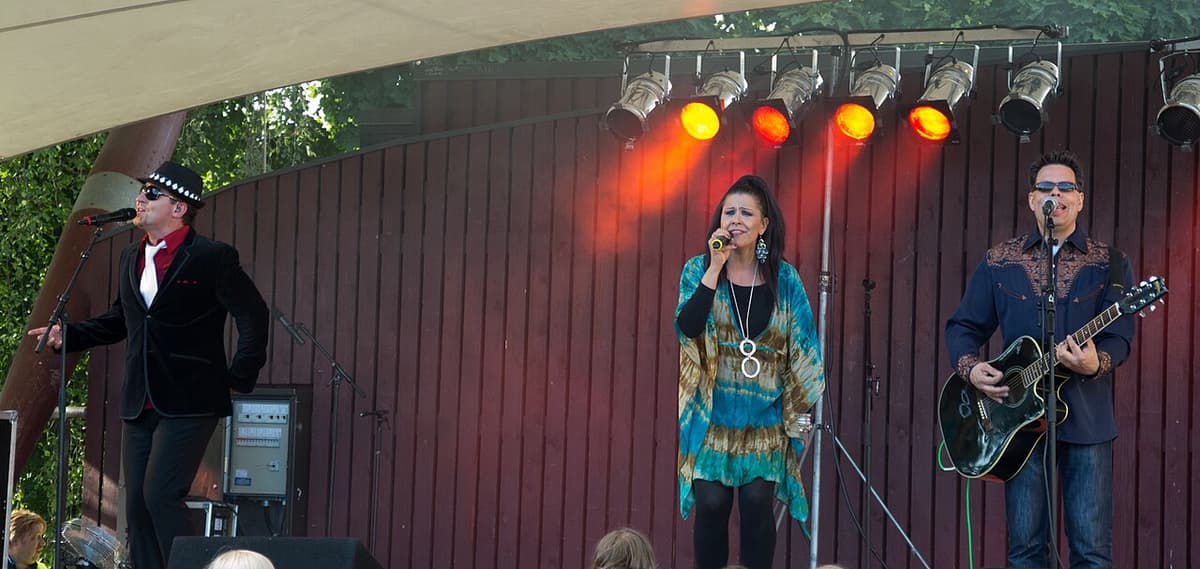
Shares eurodance, dance-pop, synth-pop (subgenres); studio polished, digital clarity, drum machine (production style)
Shares eurodance, dance-pop, synth-pop (subgenres); studio polished, digital clarity, drum machine (production style)
Shares dance-pop, eurodance, synth-pop (subgenres); studio polished, digital clarity, drum machine (production style)

Shares studio polished, digital clarity, drum machine (production style); eurodance, dance-pop, synth-pop (subgenres)
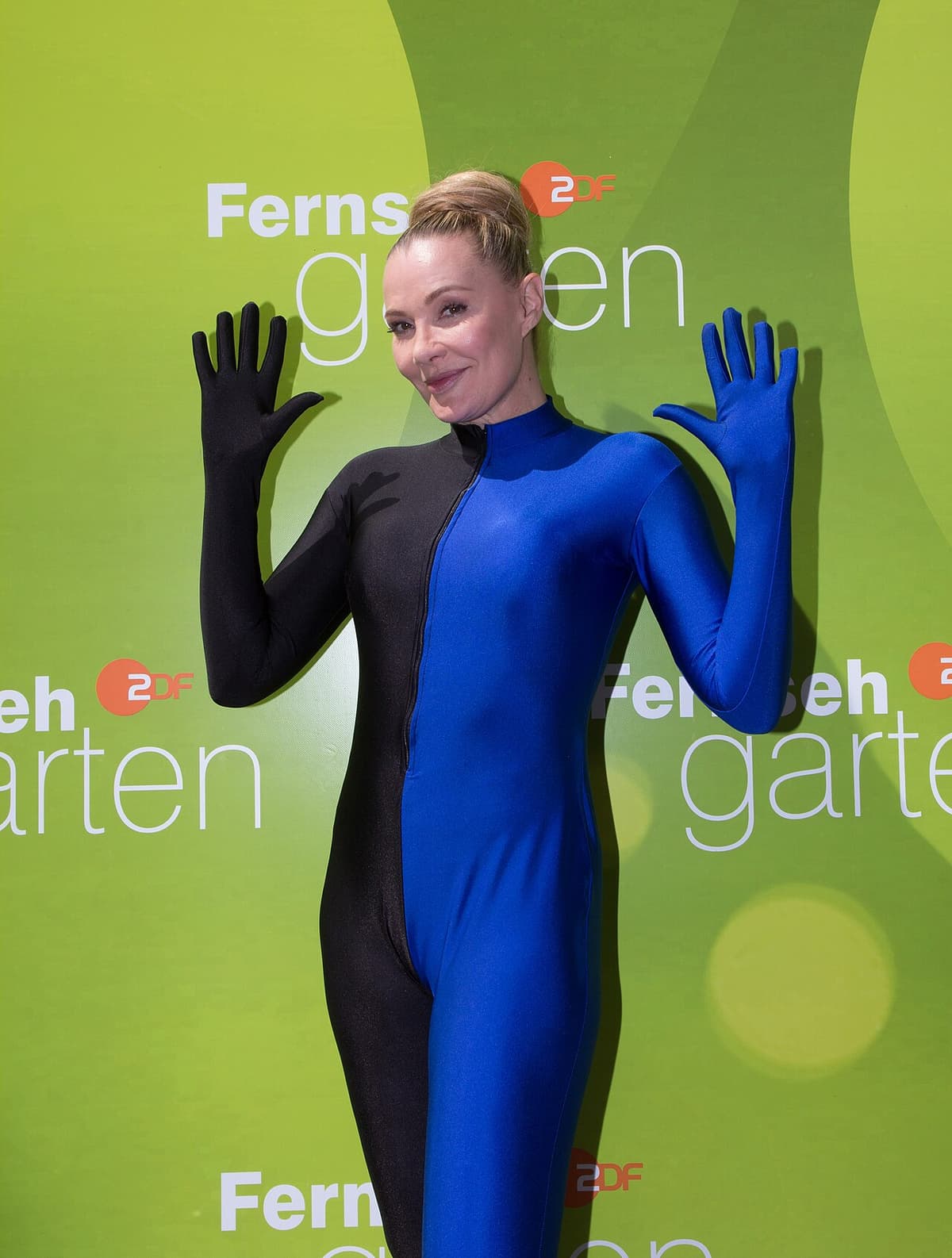
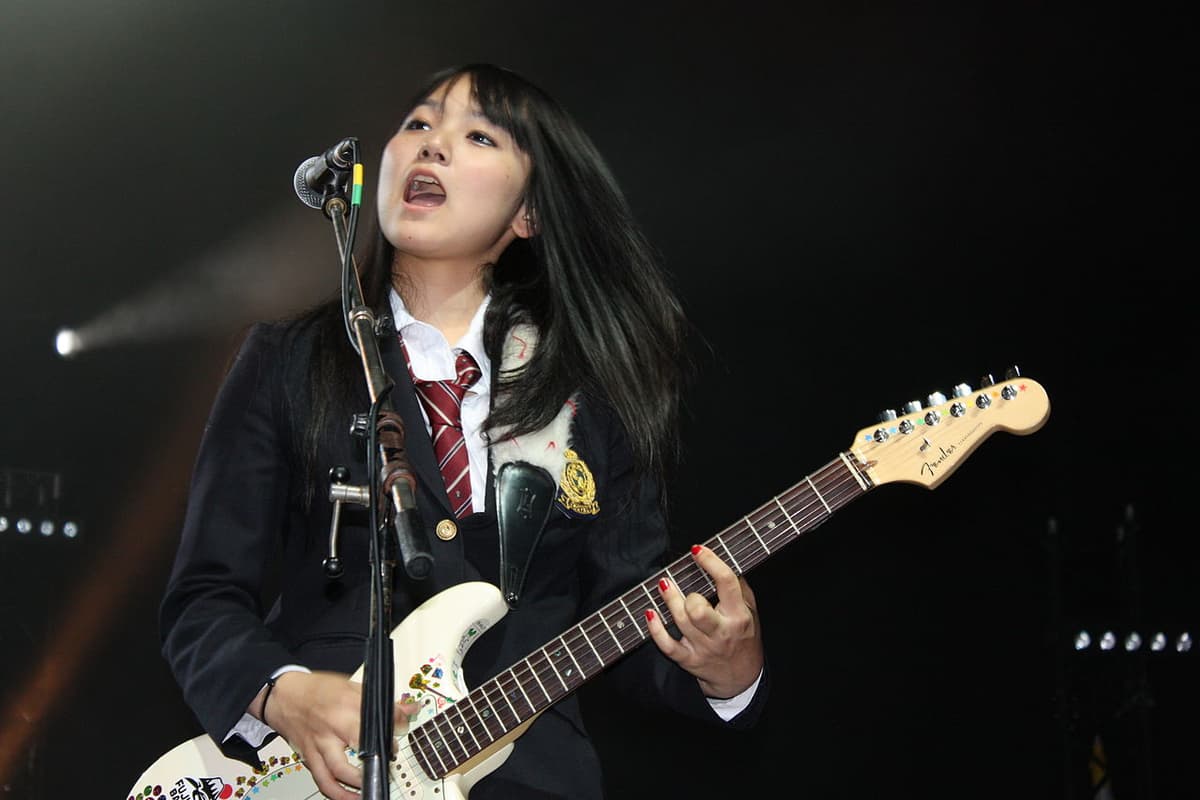
Shares studio polished, digital clarity, drum machine (production style); dance-pop, synth-pop (subgenres)
Shares dance-pop, eurodance, synth-pop (subgenres); joyful, nostalgic, playful (moods)

Cassette uses generative AI to enrich its catalog. How we use AI →