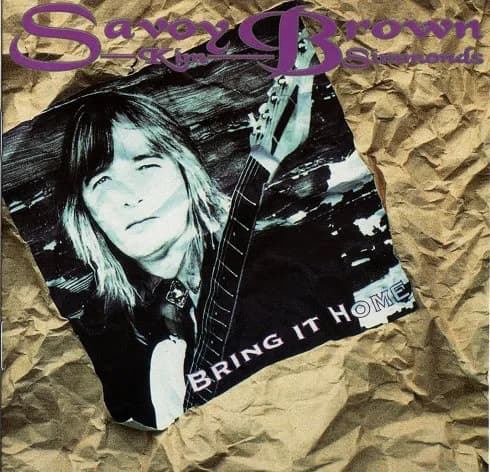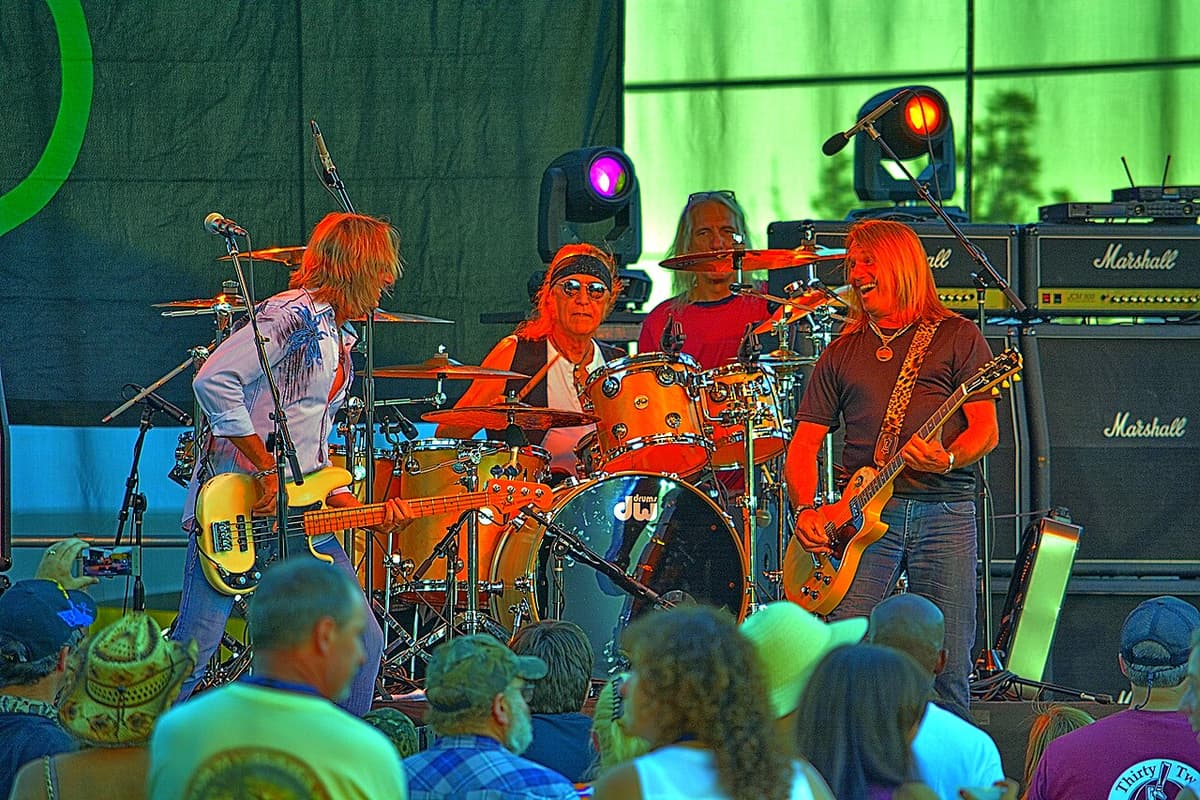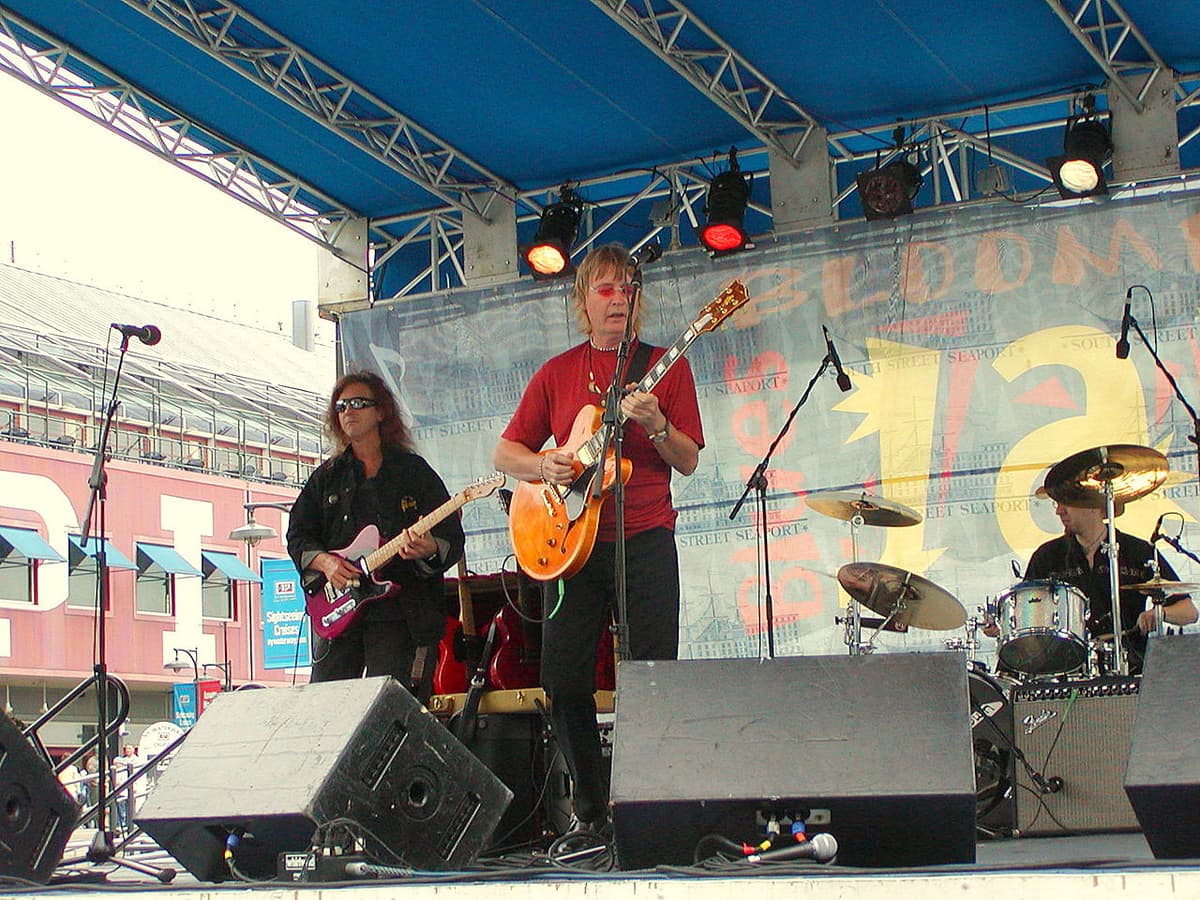
Savoy Brown
Gritty British blues rock defined by chugging locomotive rhythms and searing guitar leads. Perfect for late-night drives and smoky barroom moods.
Gritty British blues rock defined by chugging locomotive rhythms and searing guitar leads. Perfect for late-night drives and smoky barroom moods.
Savoy Brown sounds like the exact moment the British blues boom traded its purist roots for the heavy, hypnotic pull of the American highway. It is music built on a foundation of 'lonesome' Dave Peverett's shuffling rhythms and Kim Simmonds' fluid, stinging guitar work. There is a specific weight to the sound - a thick, analog warmth that feels like a tube amplifier heating up in a small room. It is less about the flashy pyrotechnics of their contemporaries and more about a relentless, locomotive groove that never lets up.
What truly distinguishes them is the 'boogie' element. While other bands were exploring prog or hard rock, Savoy Brown doubled down on the hypnotic power of the shuffle. Their songs often feel like they are physically moving forward, mimicking the 'Hellbound Train' they famously sang about. The interplay between the gritty, often weary vocals and the bright, articulate guitar lines creates a tension that feels both sophisticated and deeply blue-collar.
Start with 'Hellbound Train' to hear their most iconic, atmospheric peak. It captures the band at their most cohesive, blending blues tradition with a dark, almost cinematic sense of dread. From there, 'Blue Matter' offers a tighter look at their late-60s transition from club blues to arena-ready rock, showcasing the technical precision that made them a cult favorite among guitar aficionados.
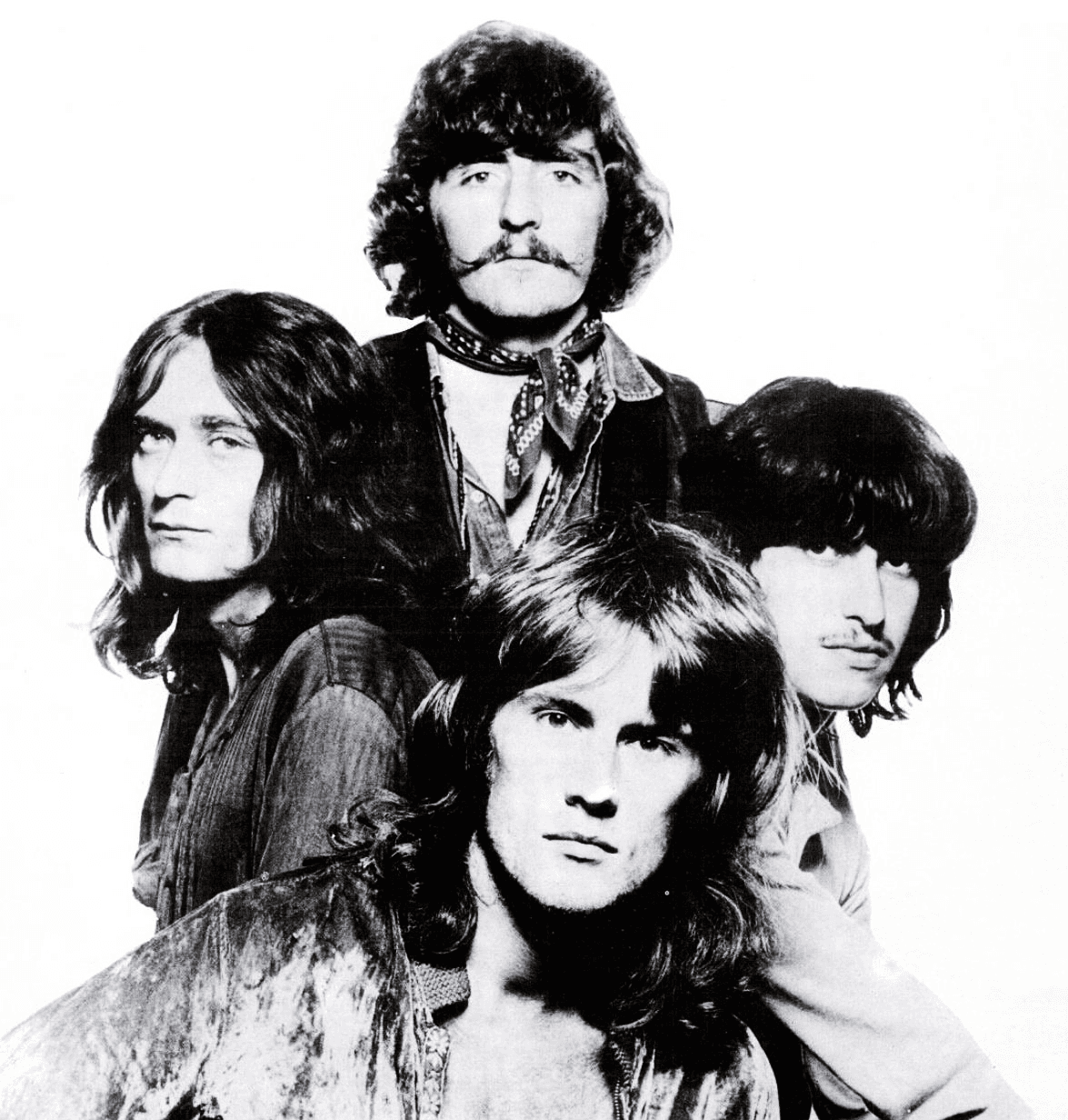
Savoy Brown (originally Savoy Brown Blues Band) were an English blues rock band formed in Battersea, southwest London, in 1965. Part of the late 1960s blues rock movement, Savoy Brown primarily achieved success in the United States, where they promoted their albums with non-stop touring. Founder, guitarist and primary songwriter Kim Simmonds was the sole constant member of the band from its formation in 1965 until his death in 2022. They were one of the bands that UK Decca (US London/Parrot) stuck with through the lean times until they started selling records; it took four or five albums until they started to sell in the US. In the late 1960s and 1970s, the band managed to break into the Billboard Hot 100.
Shares brooding, restless, soulful (moods); blues rock, classic rock, psychedelic rock (subgenres)
Shares blues rock, classic rock, psychedelic rock (subgenres); analog warmth, live recording, studio polished (production style)
Shares brooding, restless, soulful (moods); blues rock, classic rock (subgenres)

Shares blues rock, psychedelic rock, boogie-woogie (subgenres); raspy, baritone, intense (vocal style)
Shares blues rock, classic rock, psychedelic rock (subgenres); analog warmth, live recording, studio polished (production style)

Shares analog warmth, live recording, studio polished (production style); blues rock, classic rock (subgenres)
Shares blues rock, classic rock, psychedelic rock (subgenres); analog warmth, live recording, studio polished (production style)
Shares analog warmth, live recording, studio polished (production style); blues rock, classic rock, boogie-woogie (subgenres)
Shares analog warmth, live recording, studio polished (production style); blues rock, psychedelic rock (subgenres)
Shares blues rock, classic rock, boogie-woogie (subgenres); analog warmth, live recording, dry intimate (production style)
Shares boogie-woogie, harmonica, classic rock, blues rock (signature)
Cassette uses generative AI to enrich its catalog. How we use AI →