Samantha Sang’s music is the sonic equivalent of a soft-focus lens. It captures that specific late-70s intersection where disco’s rhythmic pulse met the emotional vulnerability of soft rock. Her voice is a delicate, airy instrument, often layered into shimmering harmonies that feel like they are hovering just inches from your ear. The production is rich and expensive-sounding, filled with warm electric pianos, subtle string sections, and a steady, understated groove.
What truly sets her apart is the masterclass in vocal restraint. While her contemporaries often leaned into powerhouse belting, Sang excelled at the 'whisper-sing' technique, creating an intimacy that feels both fragile and sophisticated. This approach was heavily influenced by her collaboration with the Bee Gees, resulting in a sound that perfectly mirrors the sophisticated, melancholic pop of that era.
Start with her 1978 album 'Emotion'. The title track is the definitive entry point, showcasing the perfect marriage of her breathy delivery with the Gibb brothers' melodic genius. From there, explore her disco-leaning tracks to hear how she maintained her signature softness even when the tempo picked up.
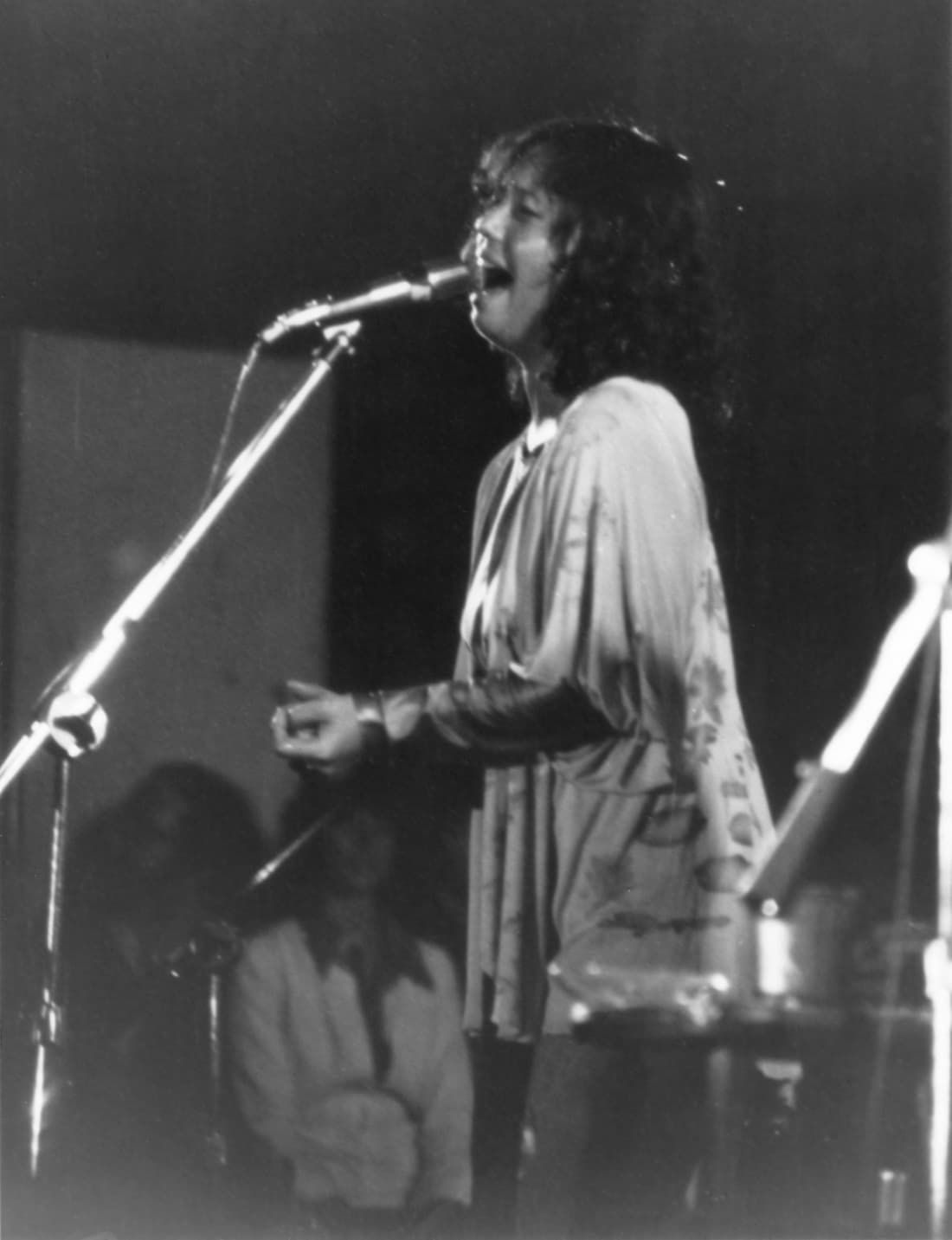
Cheryl Lau Sang (born 5 August 1951), known professionally as Samantha Sang, is an Australian singer. She had an earlier career as a teenage singer under the stage name Cheryl Gray, before adopting the stage name she is more widely known as in 1969. She first received nationwide recognition in Australia in 1967, after releasing the top ten single "You Made Me What I Am". By 1969, Sang relocated to the United Kingdom, where she worked with the Bee Gees, before returning to Australia in 1975. She reconnected with the Bee Gees in 1977 and had an international hit with their song "Emotion", peaking at number three on the Billboard Hot 100, number two in Australia and number eleven in the United Kingdom. The single's parent album, Emotion (1978), reached the top thirty on Billboard 200 and included two other singles.


Shares disco, soft rock, contemporary r&b (subgenres); studio polished, analog warmth, orchestral arrangement (production style)
Shares studio polished, analog warmth, orchestral arrangement (production style); disco, soft rock, contemporary r&b (subgenres)
Shares disco, soft rock, contemporary r&b (subgenres); studio polished, analog warmth, orchestral arrangement (production style)
Shares disco, soft rock, contemporary r&b (subgenres); studio polished, analog warmth, orchestral arrangement (production style)
Shares disco, contemporary r&b, traditional pop (subgenres); studio polished, analog warmth, orchestral arrangement (production style)

Shares soft rock, disco, traditional pop (subgenres); studio polished, analog warmth, orchestral arrangement (production style)
Shares studio polished, analog warmth, orchestral arrangement (production style); soft rock, disco, traditional pop (subgenres)
Shares studio polished, analog warmth, orchestral arrangement (production style); disco, soft rock, traditional pop (subgenres)
Shares bittersweet, romantic, wistful (moods); soft rock, contemporary r&b, traditional pop (subgenres)

Shares studio polished, analog warmth, orchestral arrangement (production style); sentimental, wistful, romantic (moods)
Shares soft rock, disco, sentimental, traditional pop (subgenre)
Cassette uses generative AI to enrich its catalog. How we use AI →