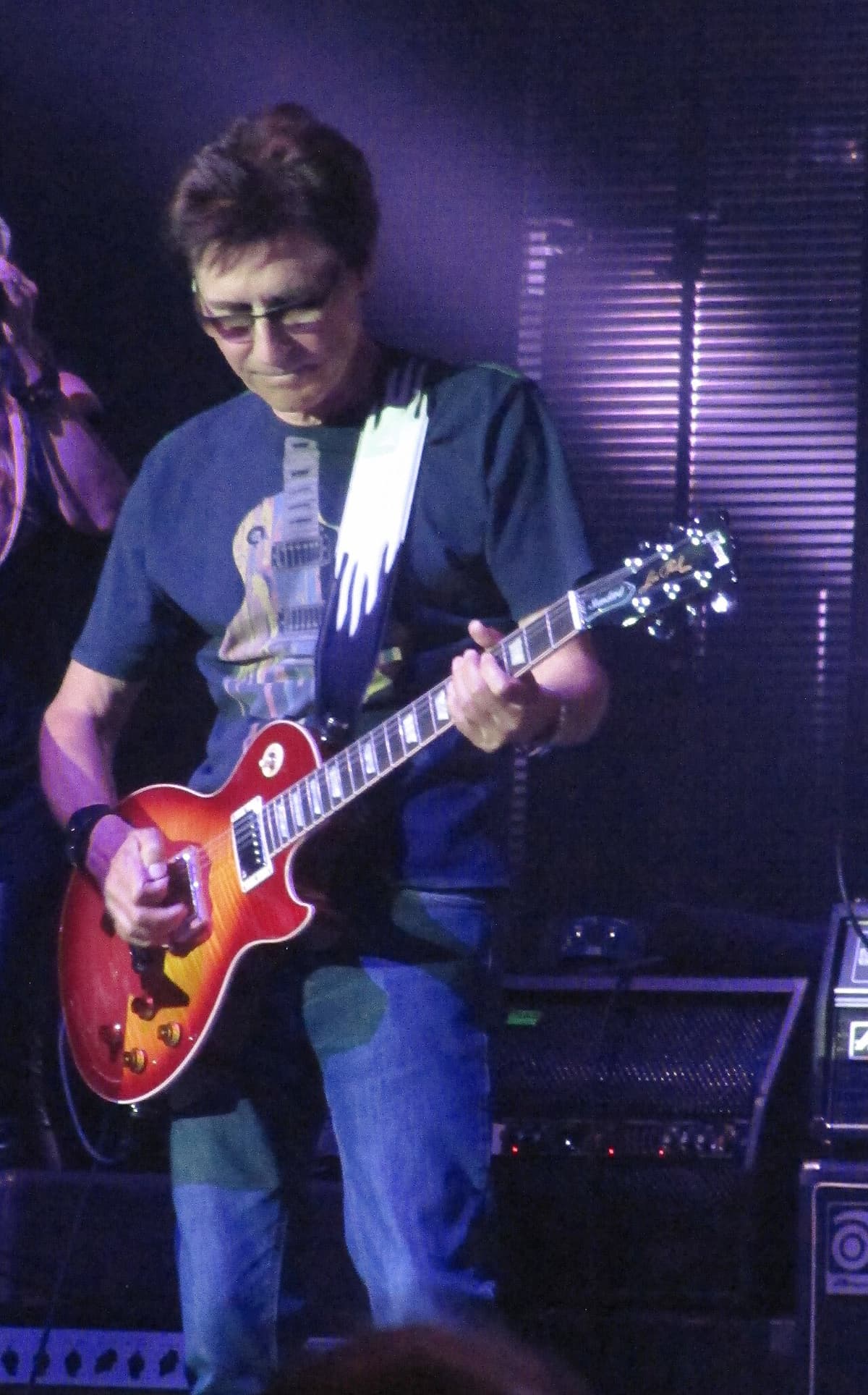
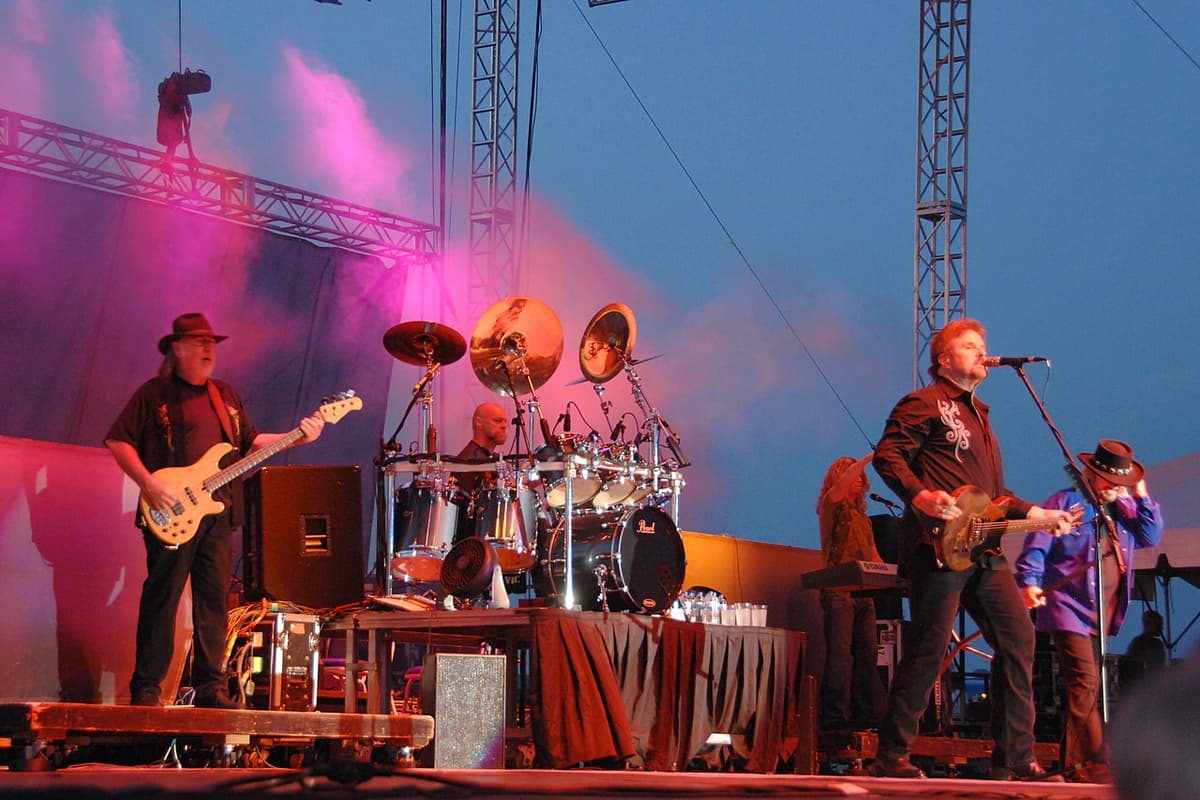
Russ Ballard
Polished, anthemic rock with a songwriter's heart. Big hooks, gritty vocals, and that unmistakable 80s drive that makes every chorus feel like a victory.
Polished, anthemic rock with a songwriter's heart. Big hooks, gritty vocals, and that unmistakable 80s drive that makes every chorus feel like a victory.
Russ Ballard's music is the sound of the high-stakes 1980s, where every guitar riff was a statement and every chorus was built to fill a stadium. It carries a specific kind of British rock sophistication, blending the technical precision of his progressive rock roots with an uncanny instinct for the pop hook. His voice has a distinctive, lived-in rasp that adds a layer of blue-collar authenticity to even his most polished studio productions.
What sets Ballard apart is his dual identity as a master craftsman for others and a compelling performer in his own right. You can hear the 'hit-maker' DNA in the way his songs are structured: the tension-building verses, the explosive transitions, and the rhythmic interplay between synthesizers and overdriven guitars. It is music that feels both expensive and gritty, capturing the transition from the raw 70s into the neon-lit 80s.
Start with 'Voices' or 'On the Rebound' to hear the blueprint of AOR rock. These tracks showcase his ability to marry a driving beat with a melody that stays in your head for days. Whether you know him through his solo work or the massive hits he wrote for KISS, Rainbow, and Santana, his sound is the essential bridge between hard rock muscle and pop accessibility.
Russell Glyn Ballard (born 31 October 1945) is an English rock singer, guitarist, songwriter and producer. Originally rising to prominence as the lead singer and guitarist of the band Argent, Ballard became a prolific songwriter and producer by the late 1970s. His compositions "New York Groove", "You Can Do Magic", "Since You Been Gone", "I Surrender", "Liar", "Winning", "I Know There's Something Going On", "Can't Shake Loose", "So You Win Again", "No More the Fool" and "God Gave Rock and Roll to You" became hits for other artists during the 1970s and 1980s. He also scored several minor hits under his own name in the early and mid-1980s.
Shares hard rock, pop rock, classic rock (subgenres); studio polished, analog warmth, layered dense (production style)
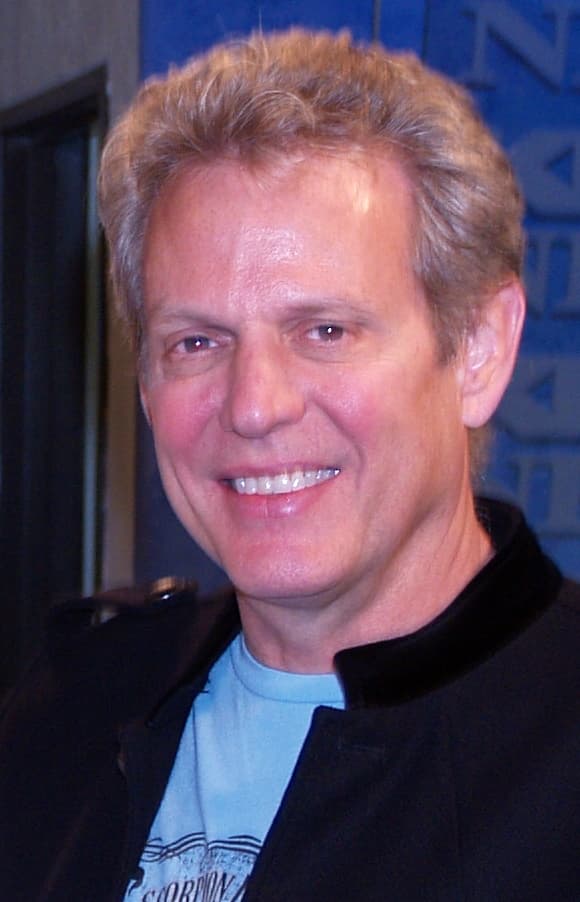
Shares studio polished, analog warmth, layered dense (production style); classic rock, hard rock, pop rock (subgenres)
Shares hard rock, classic rock, pop rock (subgenres); studio polished, analog warmth, layered dense (production style)
Shares hard rock, classic rock, pop rock (subgenres); studio polished, analog warmth, layered dense (production style)
Shares hard rock, classic rock, progressive rock (subgenres); confident, triumphant, energetic (moods)
Shares hard rock, pop rock, classic rock (subgenres); confident, triumphant, energetic (moods)
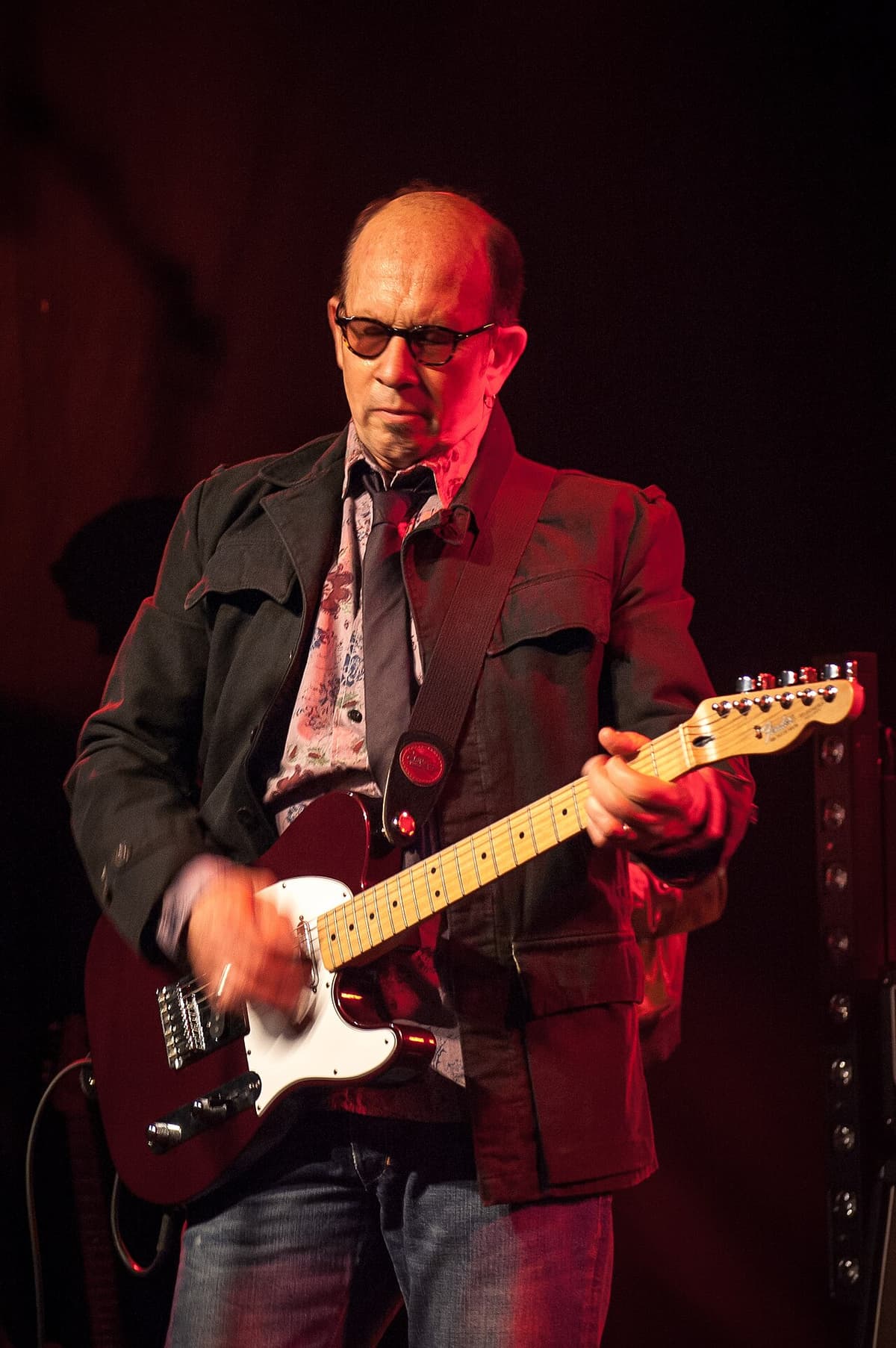
Shares studio polished, analog warmth, layered dense (production style); classic rock, hard rock, progressive rock (subgenres)
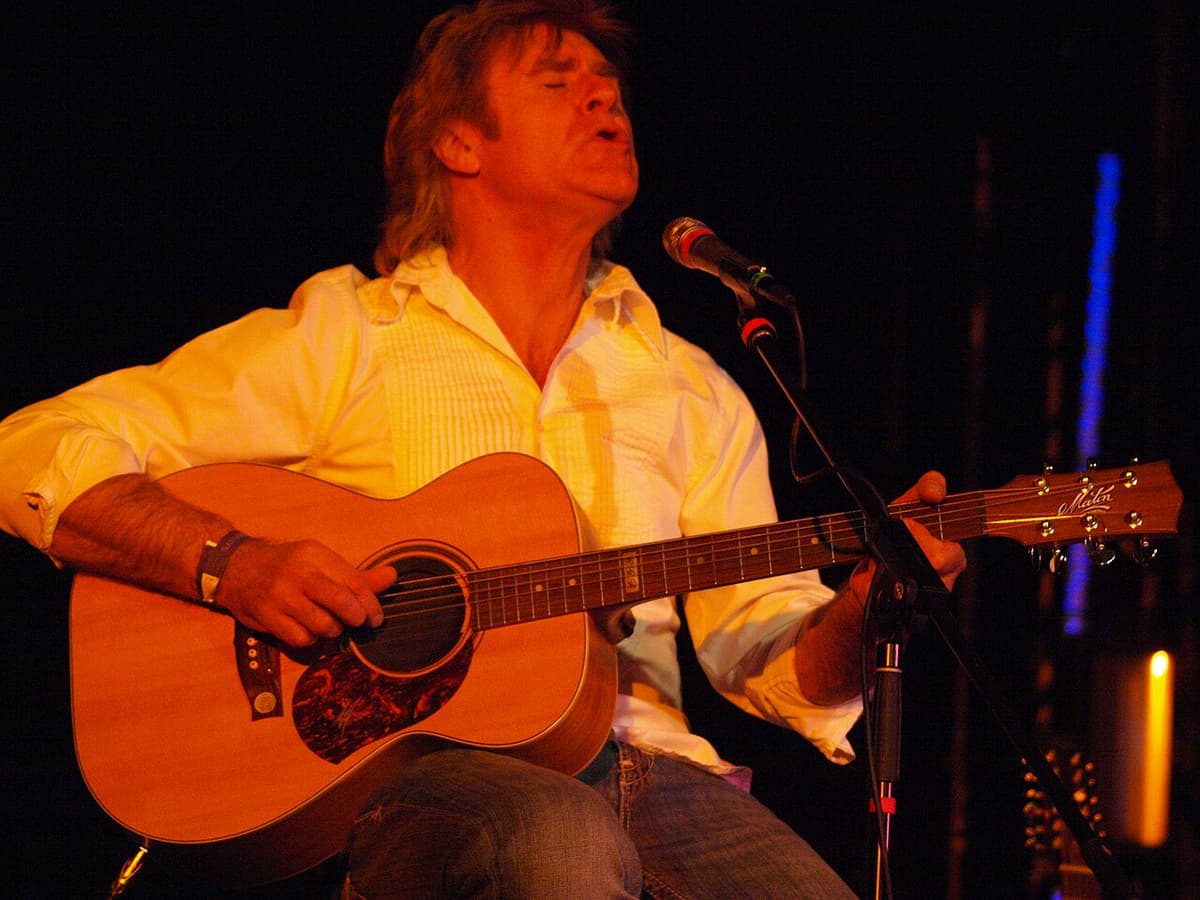
Shares classic rock, hard rock, pop rock (subgenres); studio polished, layered dense, analog warmth (production style)
Shares studio polished, analog warmth, layered dense (production style); pop rock, classic rock, hard rock (subgenres)
Shares hard rock, classic rock, pop rock (subgenres); studio polished, analog warmth, layered dense (production style)
Shares pop rock, classic rock, raspy, hard rock (signature)
Shares triumphant, classic rock, studio polished, hard rock (signature)
Cassette uses generative AI to enrich its catalog. How we use AI →


