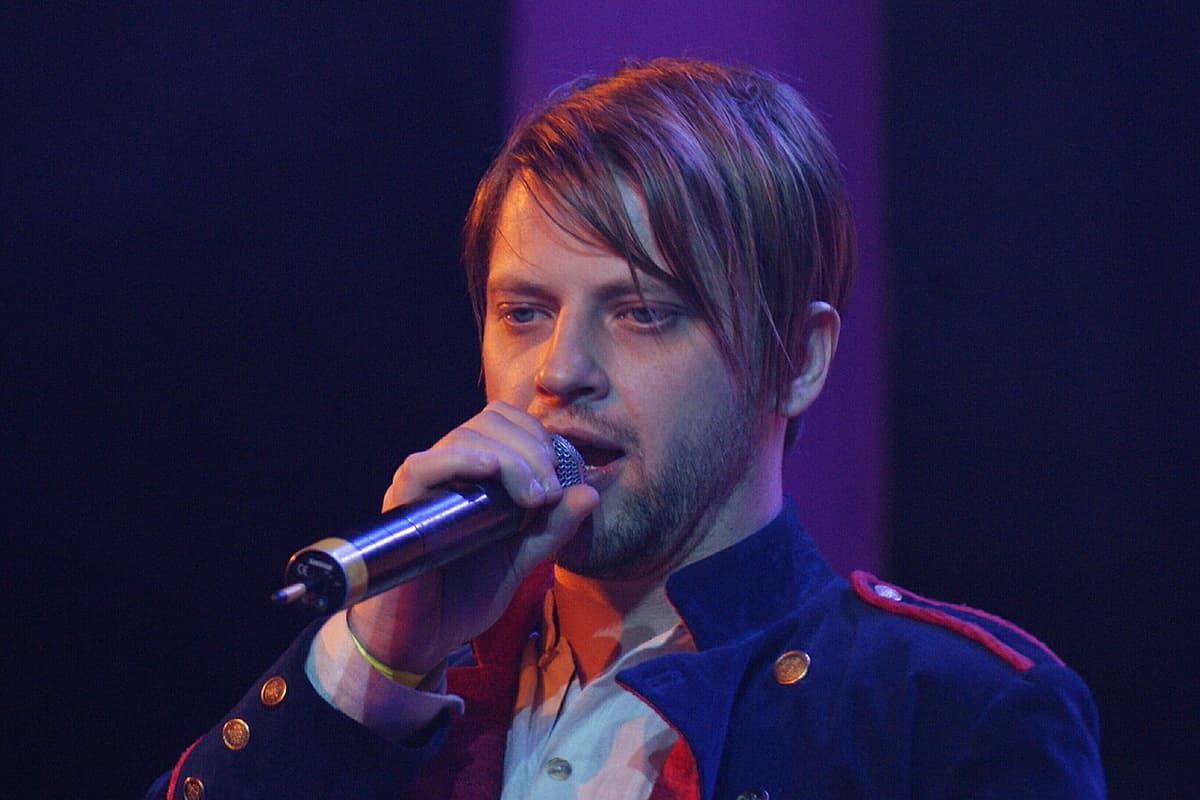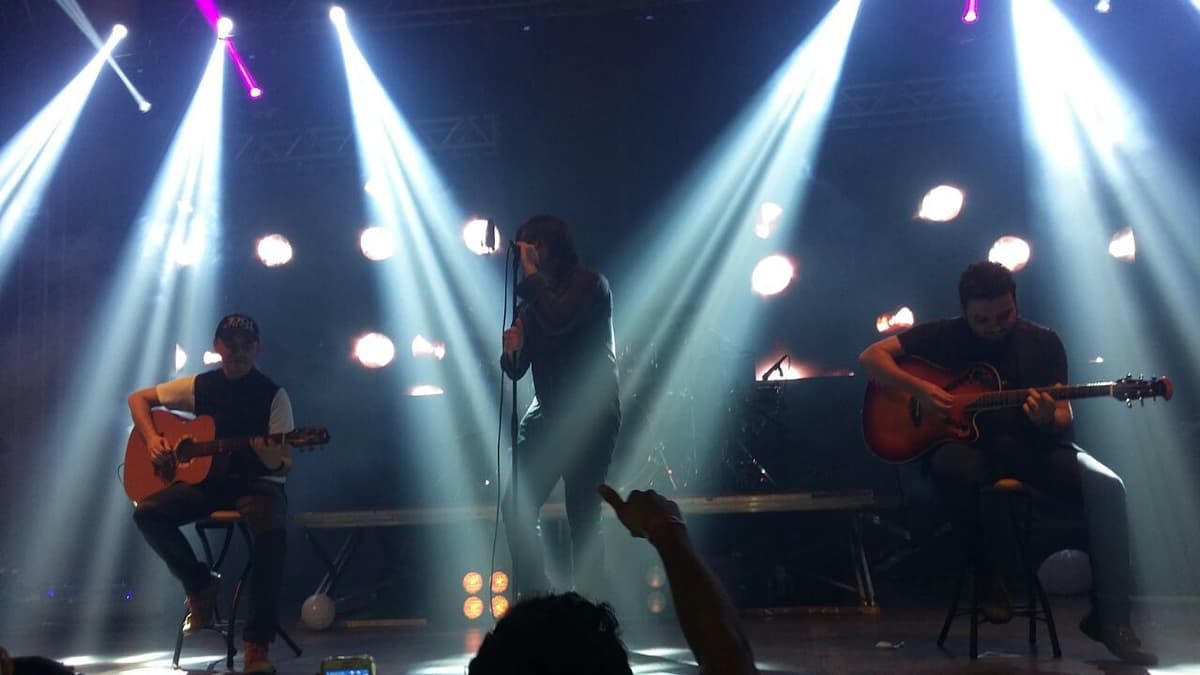
Rosa de Saron
Polished Brazilian rock that balances arena-sized power with intimate, spiritual reflection. Emotive vocals and soaring guitars for moments of deep introspection.
Polished Brazilian rock that balances arena-sized power with intimate, spiritual reflection. Emotive vocals and soaring guitars for moments of deep introspection.
Rosa de Saron creates a sound that feels like a bridge between the grit of late-90s alternative rock and the soaring, cinematic arrangements of modern worship music. Their songs often start with a delicate piano or a lonely acoustic guitar before erupting into massive, reverb-drenched choruses. It is music that occupies the space between doubt and faith, delivered with a technical precision that rivals mainstream stadium acts.
What sets them apart is their ability to maintain a sense of 'rock' authenticity while serving a deeply spiritual purpose. The vocals are theatrical and emotionally naked, often pushing into a powerful belt that feels like a personal plea. The production is consistently high-fidelity, favoring lush string sections and layered electric guitars that create a sense of vast, open space.
For those new to the band, the acoustic live recordings are the perfect entry point. They strip away the heavy distortion to reveal the melodic strength and lyrical depth that has made them a cornerstone of the Brazilian Catholic music scene for over three decades.
Rosa de Saron is a Christian-themed Brazilian rock band that formed within the Catholic Charismatic Renewal movement in 1988, in Campinas, known for being one of the forerunners of Christian metal in Brazil. The band currently consists of Bruno Faglioni (vocals), Eduardo Faro (guitar), Rogério Feltrin (bass), and Wellington Greve (drums). Their first album, Diante da Cruz, was released in 1994, and they released their next album, Angústia Suprema, in 1997. In 1999, the band recorded Olhando de Frente. In 2002, after a change of vocalists, Rosa de Saron launched the album Depois do Inverno. Their next record, Casa dos Espelhos, came out in 2005, and in 2007, they put out Acoustic CD. In 2008, to celebrate twenty years of activity, released their first live album, Acústico e ao Vivo. The band followed up with the album Horizonte Distante. In 2010, released their second live album, Horizonte Vivo Distante, nominated for a Latin Grammy Awards. In 2011, released an EP titled Siete Camiños, with songs re-recorded in different languages, and presented it at World Youth Day 2011 in Madrid. In 2012, released the album O Agora e o Eterno. In 2013, released their third live album, Latitude, Longitude. In 2014, released the album Cartas ao Remetente. In 2015, released their fourth live album, Acústico e ao Vivo 2/3. In 2016, to commemorate 28 years of activity, released their first compilation album, Essencial: Rosa de Saron. In 2018, released the album Gran Paradiso.
Shares alternative rock, pop rock, acoustic folk (subgenres); contemplative, hopeful, vulnerable (moods)
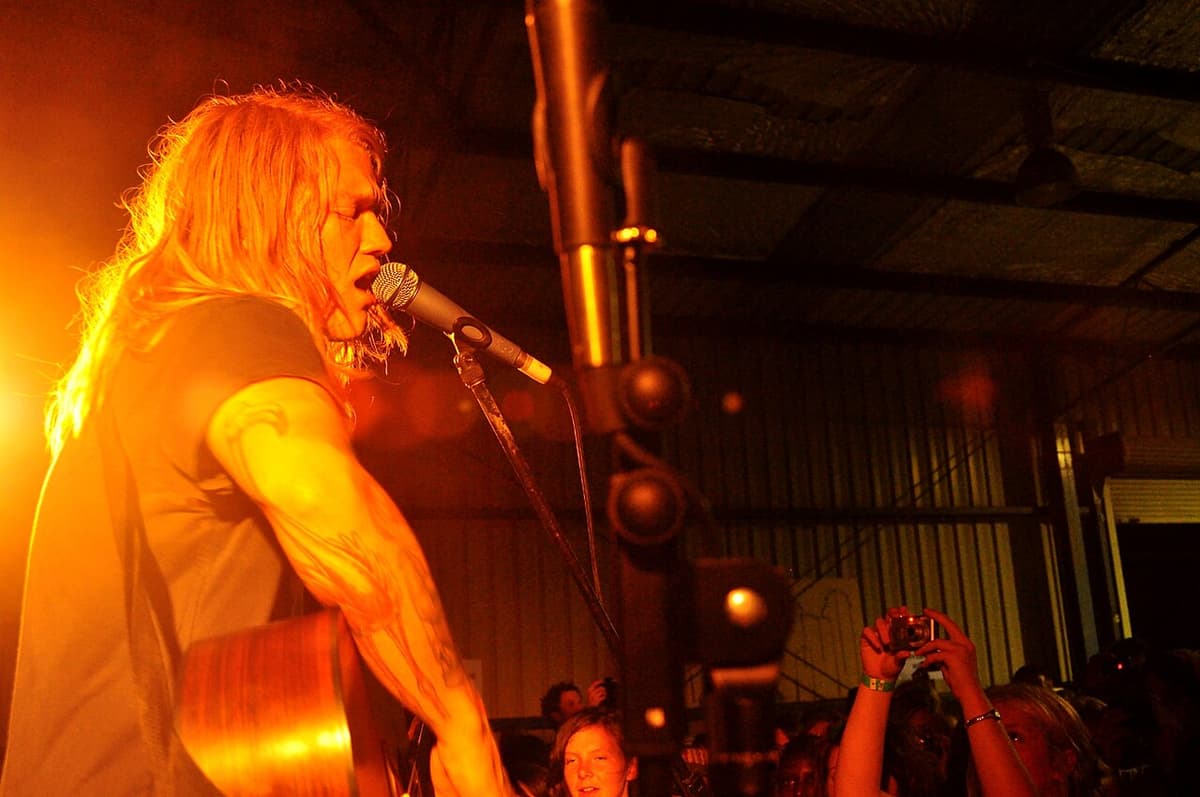
Shares alternative rock, pop rock, acoustic folk (subgenres); vulnerable, hopeful, contemplative (moods)
Shares alternative rock, pop rock, hard rock (subgenres); vulnerable, triumphant, melancholic (moods)
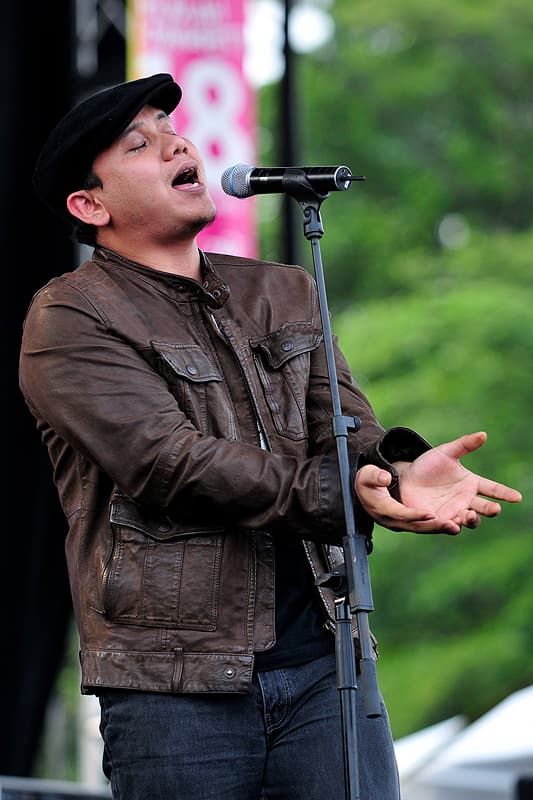
Shares alternative rock, pop rock (subgenres); studio polished, orchestral arrangement, analog warmth (production style)
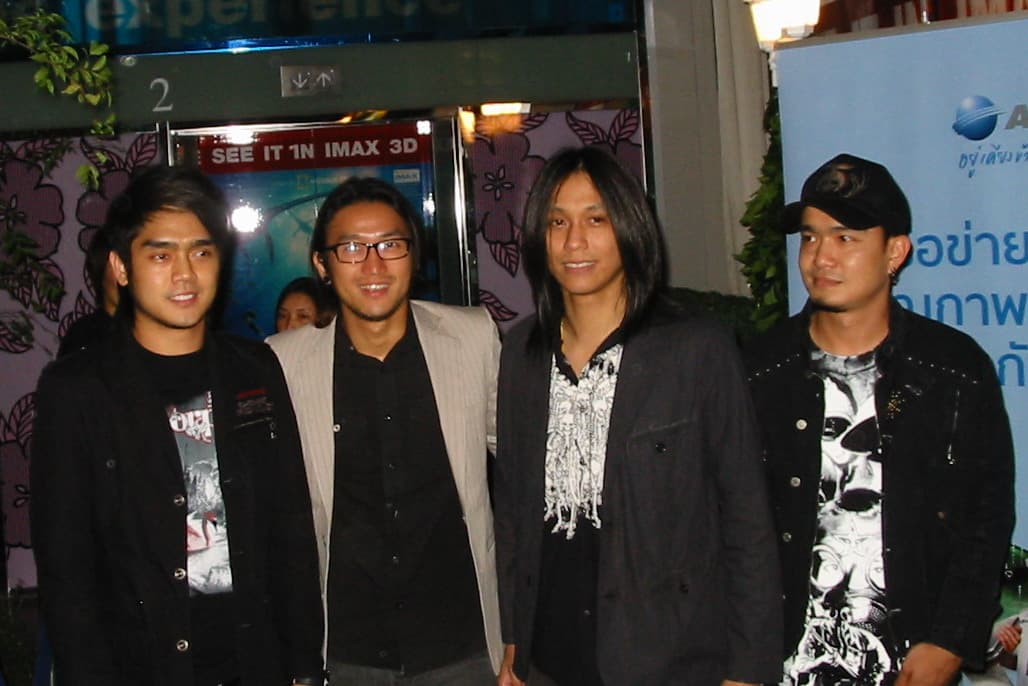
Shares alternative rock, pop rock, hard rock (subgenres); belting, harmonized, intense (vocal style)
Shares alternative rock, pop rock, hard rock (subgenres); studio polished, live recording, analog warmth (production style)
Shares alternative rock, pop rock, acoustic folk (subgenres); live recording, studio polished, analog warmth (production style)
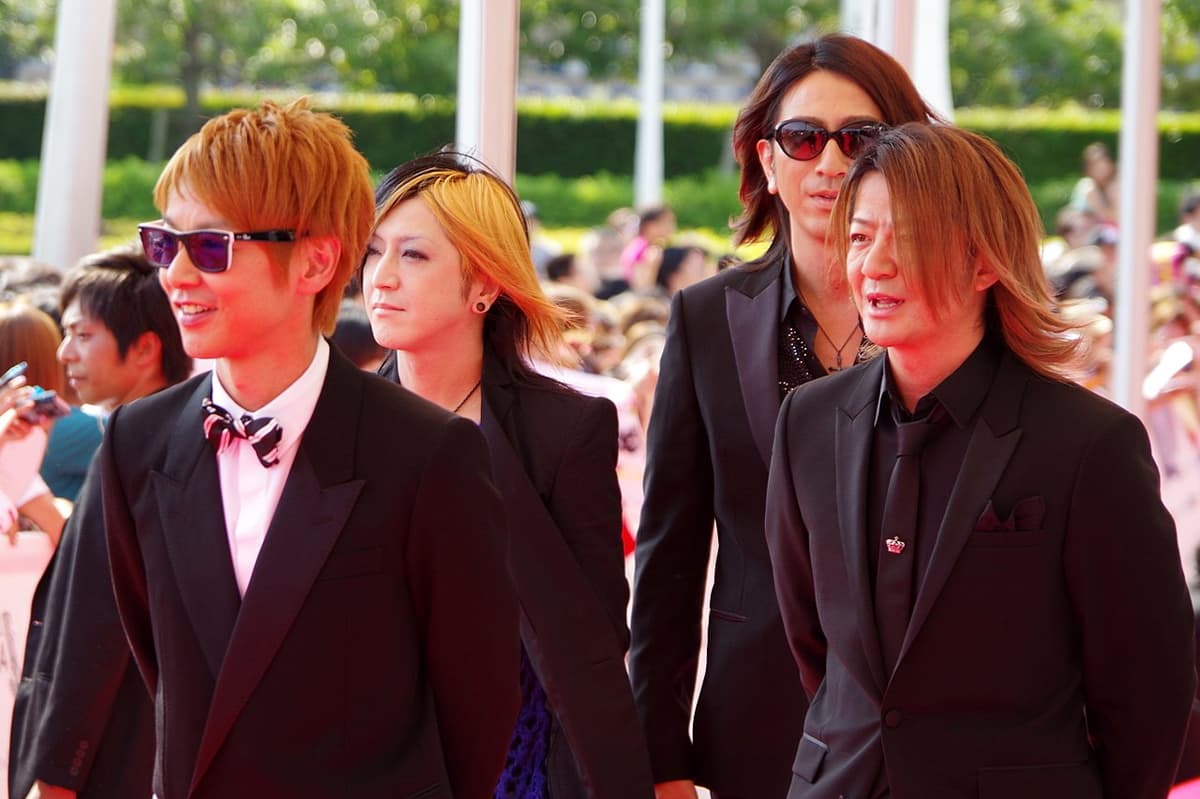
Shares alternative rock, pop rock, hard rock (subgenres); belting, crooning, harmonized (vocal style)
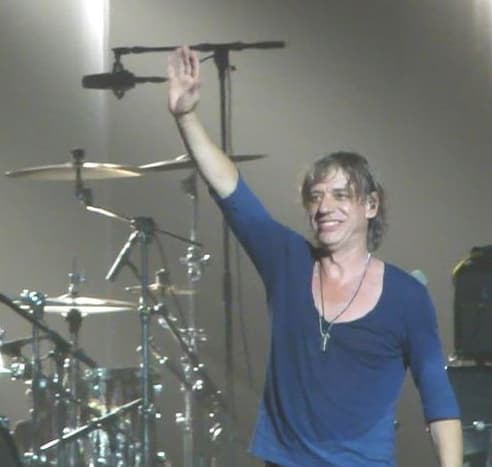
Shares alternative rock, pop rock, acoustic folk (subgenres); studio polished, live recording, analog warmth (production style)
Shares acoustic folk, bonfire, pop rock, vulnerable (subgenre)
Cassette uses generative AI to enrich its catalog. How we use AI →