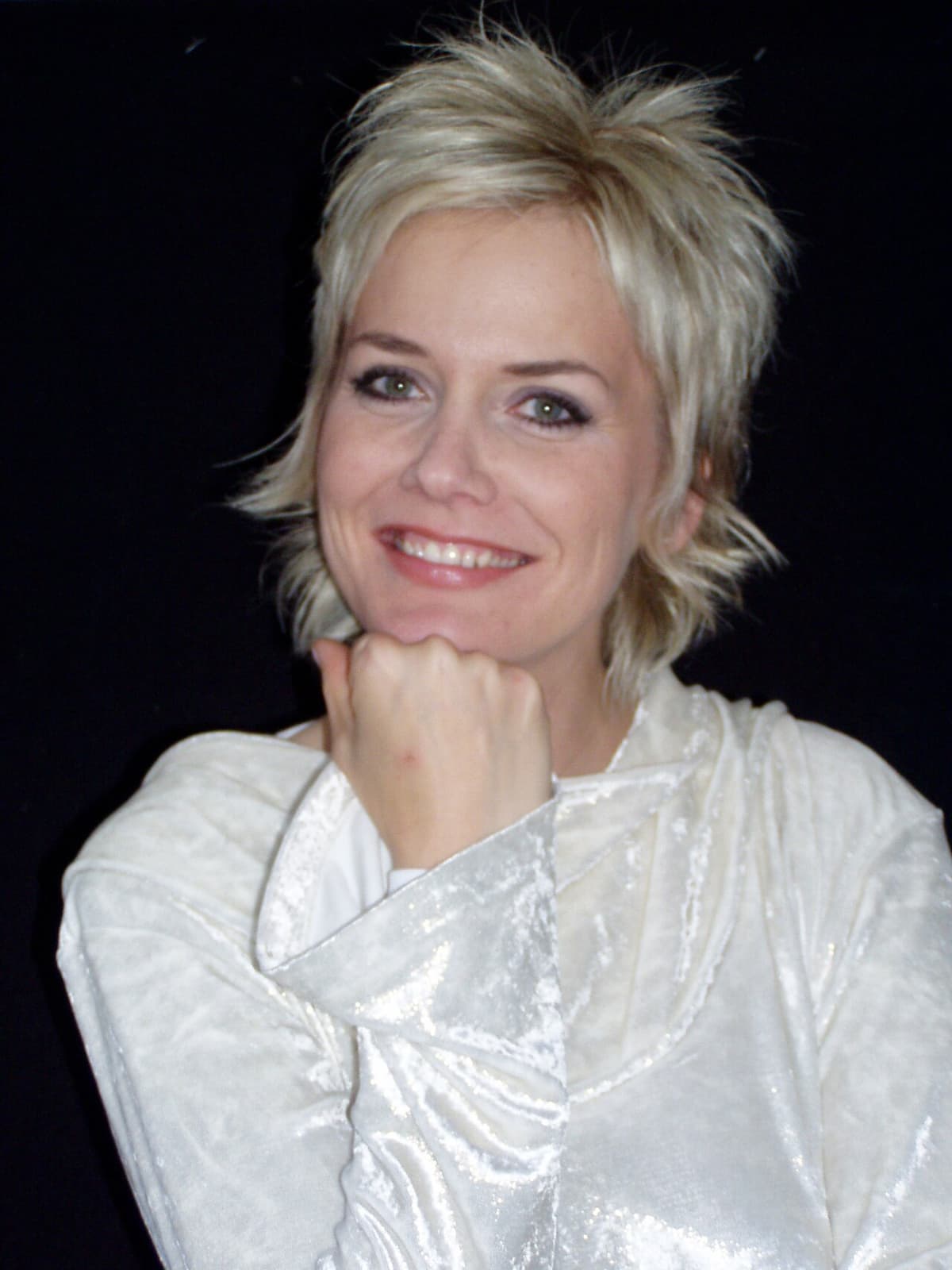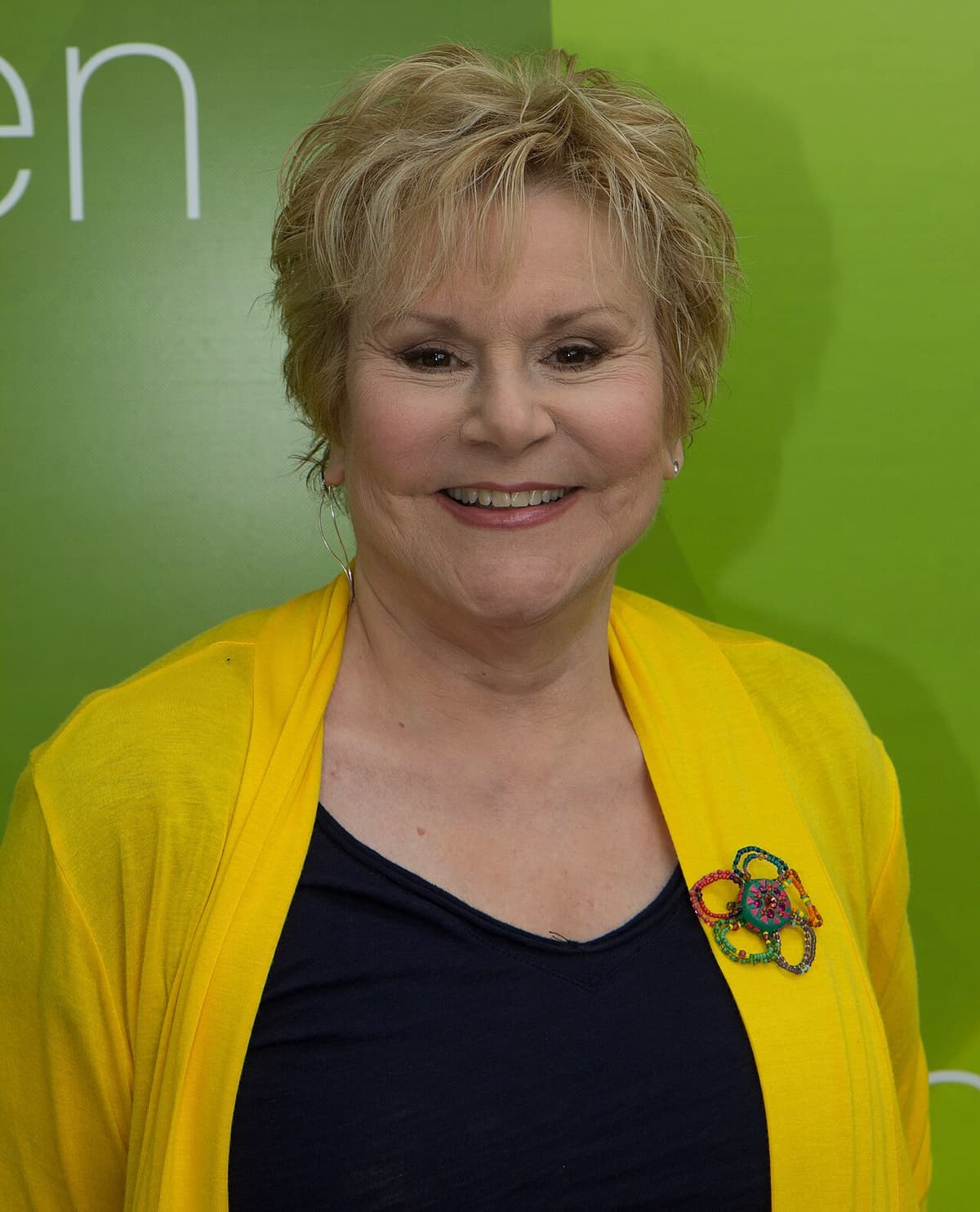
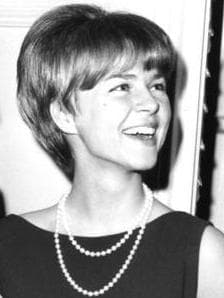
Peggy March
Bright, orchestral pop with a youthful soprano heart. The sound of early 60s optimism and European Schlager charm, perfect for sunny mornings and nostalgic daydreams.
Bright, orchestral pop with a youthful soprano heart. The sound of early 60s optimism and European Schlager charm, perfect for sunny mornings and nostalgic daydreams.
Peggy March captures the crystalline purity of the early 1960s girl-group era, but with a sophisticated orchestral backdrop that feels more expansive than typical teen pop. Her voice is remarkably clear and agile, possessing a youthful earnestness that never feels saccharine. It is the sound of a world just before it turned psychedelic, defined by sharp melodies, lush string sections, and a rhythmic bounce that feels both polite and deeply infectious.
What truly sets her apart is her fascinating dual identity. While Americans know her for the soaring devotion of her signature hit, her later career in Germany transformed her into a cornerstone of the Schlager scene. This transition brought a unique continental polish to her sound, blending American pop sensibilities with European cabaret and dance influences. She manages to sound like a teenager in love and a seasoned international entertainer simultaneously.
Start with her 1963 debut for the definitive 'Little Peggy March' experience, then jump into her German-language recordings like 'In der Carnaby Street' to hear how she evolved into a sophisticated pop stylist. It is essential listening for anyone who loves the intersection of Brill Building songwriting and mid-century European pop culture.
Peggy March (born Margaret Annemarie Battavio, March 8, 1948) is an American pop singer. In the United States, she is primarily known for her 1963 million-selling song "I Will Follow Him". Although she is sometimes remembered as a one-hit wonder, she continued to have success in Europe well into the 1970s.
Shares traditional pop, disco (subgenres); joyful, sentimental, nostalgic (moods)
Shares traditional pop, baroque pop, disco (subgenres); orchestral arrangement, studio polished, analog warmth (production style)
Shares traditional pop, baroque pop (subgenres); studio polished, orchestral arrangement, analog warmth (production style)

Shares traditional pop, baroque pop (subgenres); orchestral arrangement, wall of sound, studio polished (production style)
Shares traditional pop, baroque pop (subgenres); orchestral arrangement, studio polished, analog warmth (production style)
Shares traditional pop, baroque pop, disco (subgenres); orchestral arrangement, studio polished, analog warmth (production style)

Shares joyful, sentimental, nostalgic (moods); studio polished, analog warmth, orchestral arrangement (production style)
Shares joyful, sentimental, nostalgic (moods); studio polished, analog warmth, orchestral arrangement (production style)
Shares analog warmth, orchestral arrangement, studio polished (production style); summer, sunday morning, coffee shop (atmosphere)
Shares schlager, soprano, traditional pop, sunday morning (signature)
Cassette uses generative AI to enrich its catalog. How we use AI →