Anita Hegerland’s music feels like a sun-drenched polaroid of a Nordic summer. Her early work is defined by an astonishingly pure, high-register vocal clarity that made her a global child prodigy, delivering melodies that are both structurally simple and emotionally resonant. There is a distinct sense of 'hygge' here; a warm, domestic comfort that feels safe and inviting.
What sets her apart is the transition from the innocent, orchestral schlager of her youth to the more atmospheric, textured collaborations of her adult career. Even in her most commercial pop moments, there is a precision to her enunciation and a lightness of touch that avoids the saccharine. She possesses a rare ability to sound both fragile and technically flawless at the same time.
Start with her 1970s hits for a dose of pure vintage joy, then move to her work with Mike Oldfield to hear how that same crystalline voice adapts to complex, progressive arrangements. It is a journey from the nursery to the high-concept studio, held together by one of Norway's most iconic voices.
Anita Hegerland (born 3 March 1961) is a Norwegian singer, most known for her childhood career in Scandinavia, Germany, Switzerland, Austria, Netherlands, Belgium, and Luxembourg, and subsequent vocal contributions to Mike Oldfield's work, among others. She is Norway's biggest selling solo artist and one of Norway's best-selling female artists in history. In 1971, she was, along with Michael Jackson, one of the world's best-selling child singers. At age 10, she became Norway's first artist to sell over a million copies. She is one of the best-selling solo singers in Norway, with sales of more than 7 million albums and singles. Her songs have been released on nearly 30 million albums worldwide, most of which are with Roy Black and Mike Oldfield. She is also an actress and has appeared in Norwegian, German, Swiss, and Austrian films and television series. She has participated in Melodi Grand Prix in 1971 ("Gi meg en zebra"), 1972 ("Happy Hippie"), 1983 ("Nå er jeg alene"), and in 2009 ("Party"). She came in as number four in 1971 and number three in 1972. Hegerland had the biggest hit in Germany of any Norwegian artist ever, in front of Lene Nystrøm (Aqua), Marit Larsen, Madcon, and A-ha. For more than 20 years she had the record in Sweden as the singer who was the longest on Svensktoppen, the main music charts.


Shares traditional pop, soft rock (subgenres); studio polished, analog warmth, orchestral arrangement (production style)
Shares traditional pop, soft rock (subgenres); studio polished, analog warmth, orchestral arrangement (production style)
Shares traditional pop, soft rock (subgenres); studio polished, analog warmth, orchestral arrangement (production style)
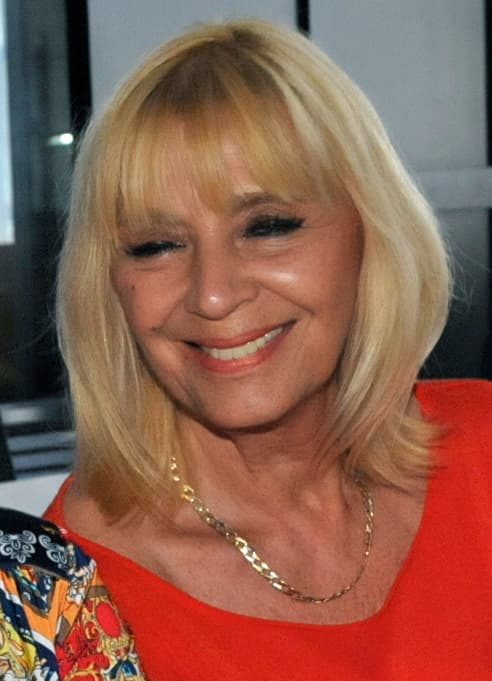
Shares traditional pop, soft rock (subgenres); studio polished, analog warmth, orchestral arrangement (production style)
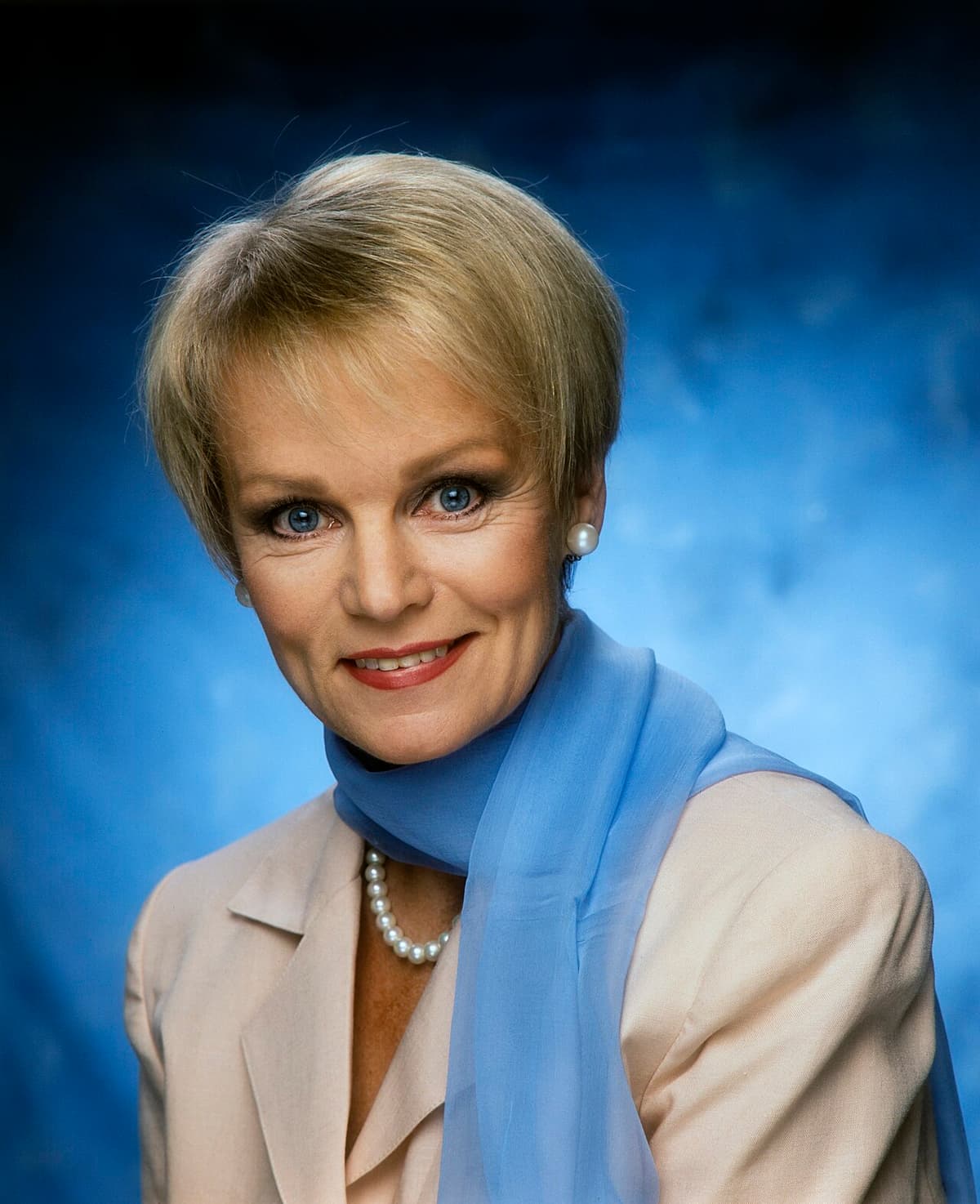
Shares traditional pop, soft rock (subgenres); studio polished, analog warmth, orchestral arrangement (production style)
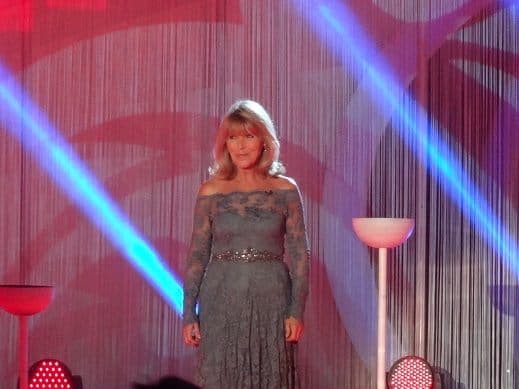
Shares studio polished, analog warmth, orchestral arrangement (production style); traditional pop, soft rock (subgenres)
Shares studio polished, analog warmth, orchestral arrangement (production style); traditional pop (subgenres)
Shares analog warmth, orchestral arrangement, studio polished (production style); sunday morning, summer, coffee shop (atmosphere)
Shares traditional pop, soft rock (subgenres); sunday morning, summer, coffee shop (atmosphere)
Shares traditional pop, soft rock (subgenres); studio polished, analog warmth, orchestral arrangement (production style)
Cassette uses generative AI to enrich its catalog. How we use AI →