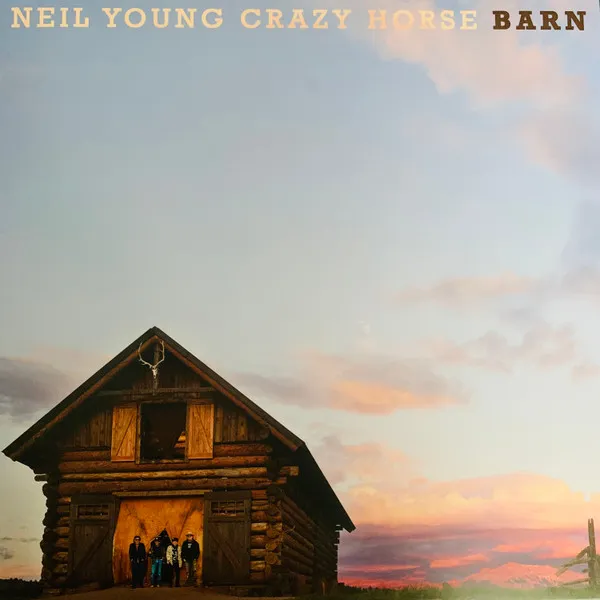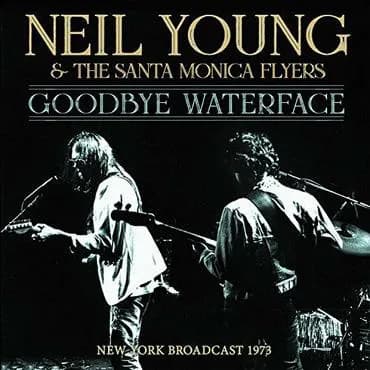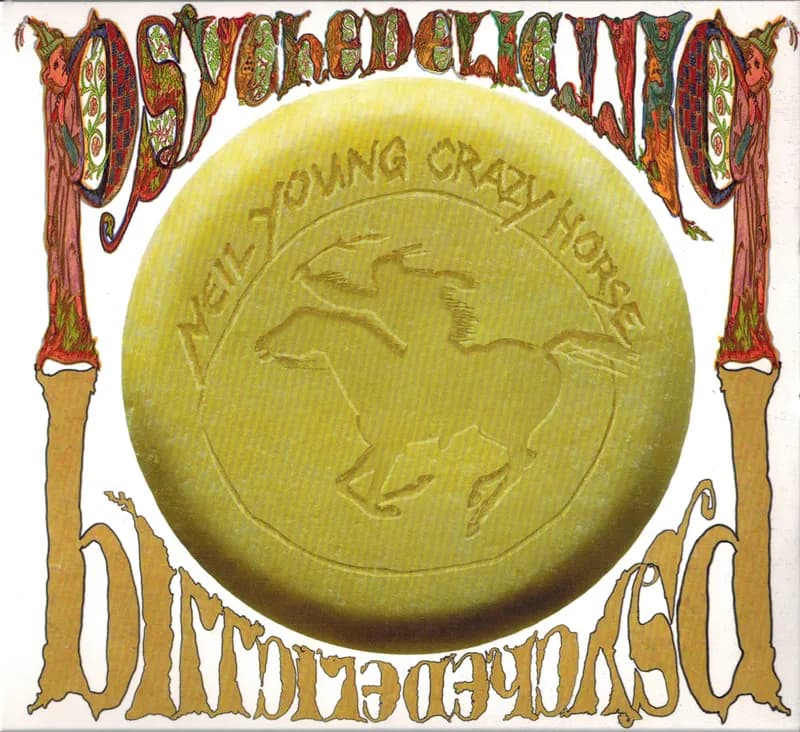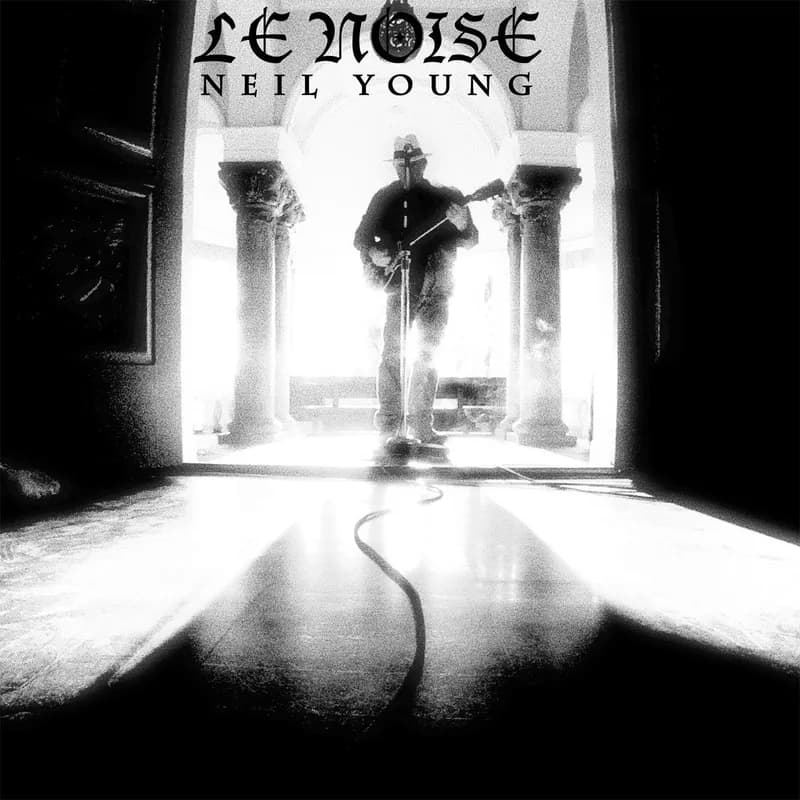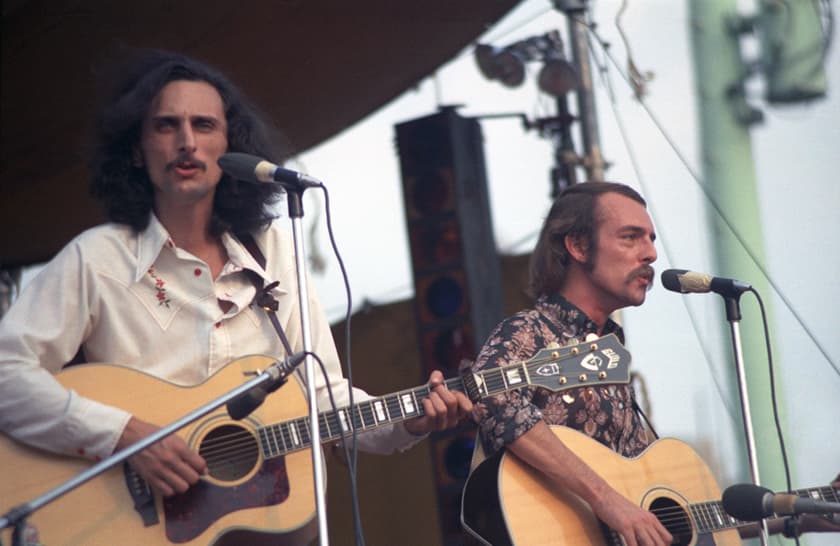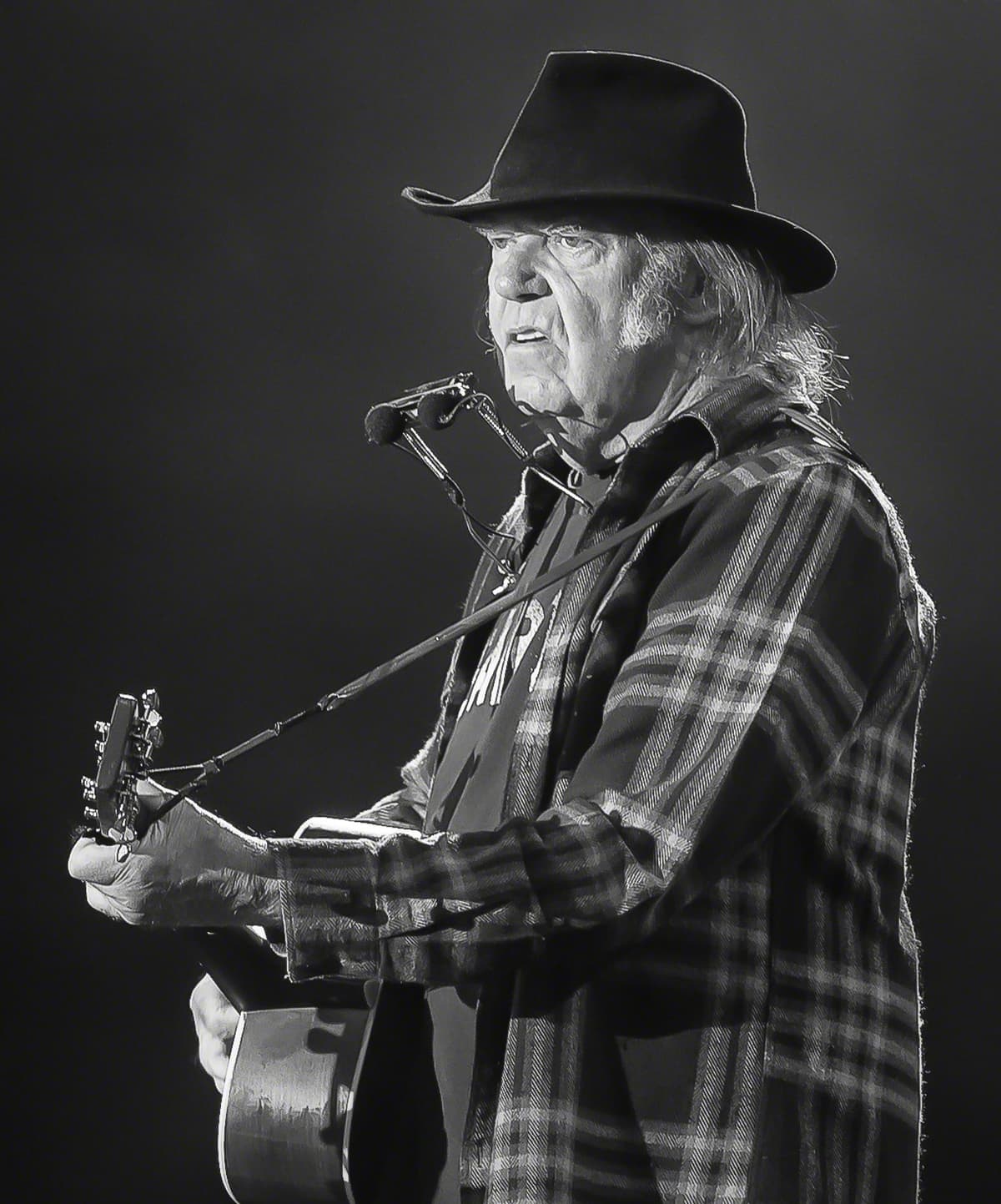
Neil Young
Fragile acoustic folk and thunderous, distorted rock. A high, lonely voice navigating the tension between quiet vulnerability and raw electric power.
Fragile acoustic folk and thunderous, distorted rock. A high, lonely voice navigating the tension between quiet vulnerability and raw electric power.
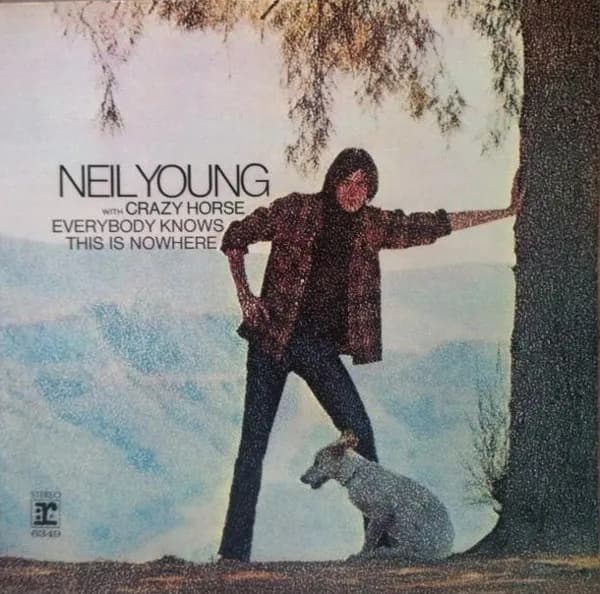
Neil Young is a foundational figure in North American rock, characterized by a career-long refusal to stagnate. Emerging from the Winnipeg folk scene to co-found Buffalo Springfield and join CSNY, his solo work became a blueprint for both the sensitive singer-songwriter movement and the aggressive distortion of grunge.
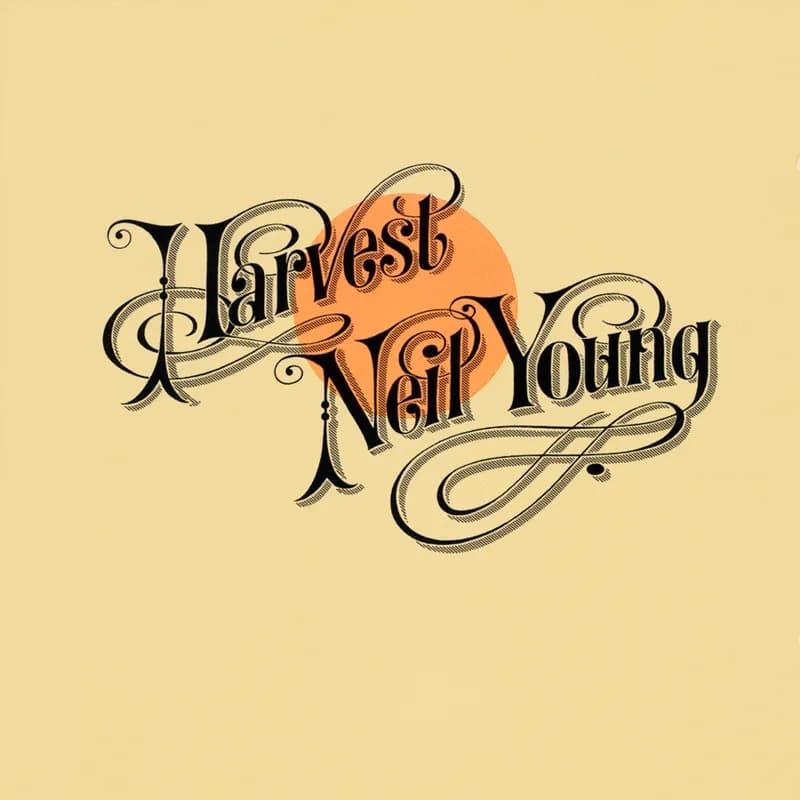
His sound identity is built on a high tenor voice, idiosyncratic harmonica phrasing, and a highly textural approach to electric guitar that prioritizes feel and 'spook' over precision. His career arc is famously erratic, moving from the massive commercial success of 'Harvest' to the 'Ditch Trilogy,' a series of dark, challenging albums that prioritized artistic integrity over radio-friendliness. Culturally, he occupies the role of the 'Godfather of Grunge,' having mentored Pearl Jam and influenced Kurt Cobain. His influence web extends from the jangly pop of Johnny Marr to the vocal vulnerability of Thom Yorke. Critical consensus views him as a singular artist whose 'unpolished' aesthetic became a standard for authenticity in rock music.
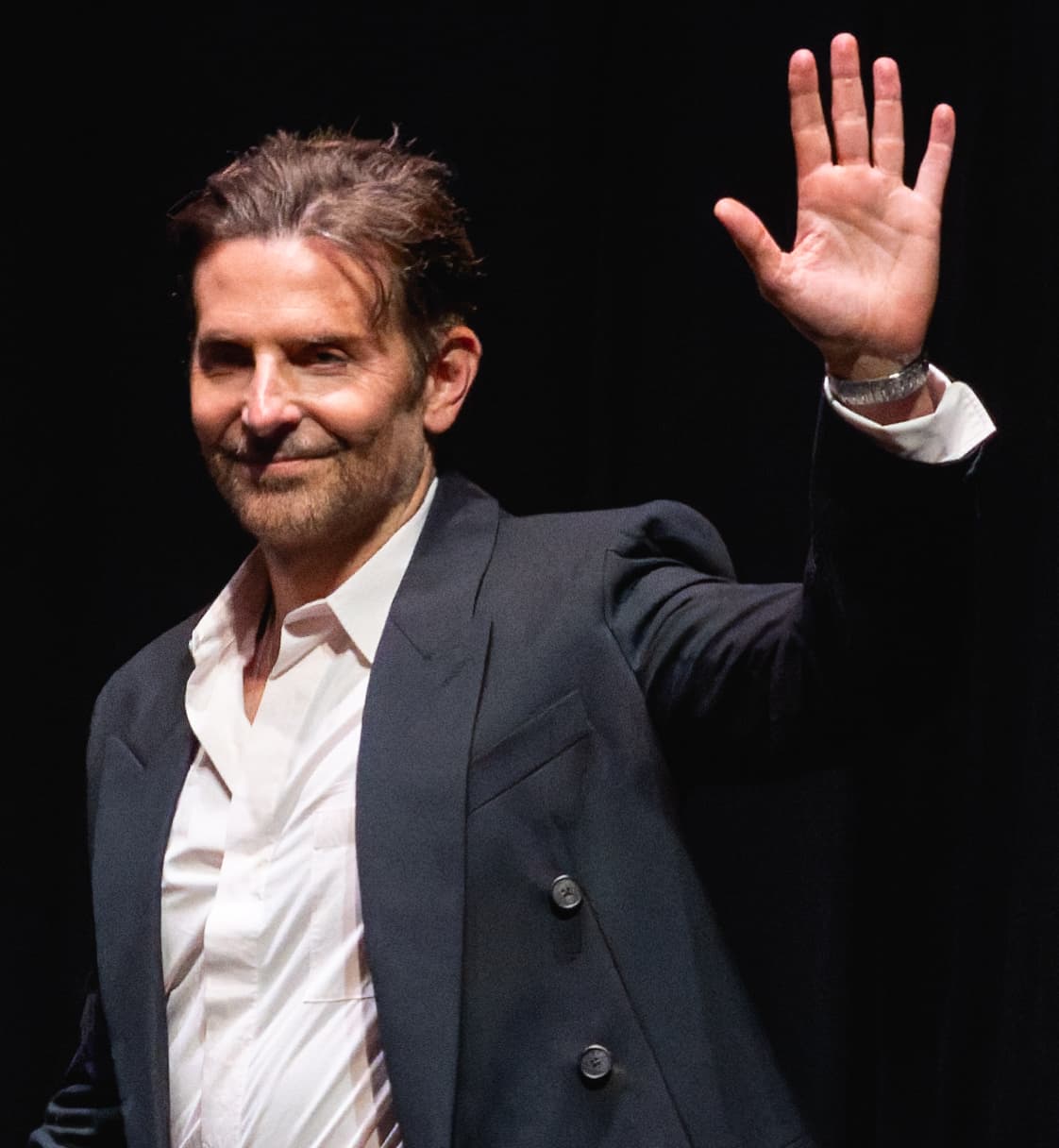
Shares folk rock, country rock (subgenres); analog_warmth, live_recording, stripped_back (production style)
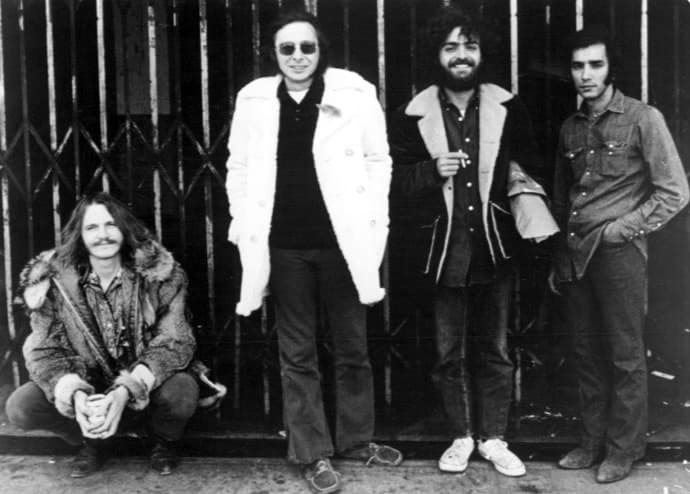
Shares brooding, melancholic, defiant (moods); analog_warmth, live_recording, stripped_back (production style)
Shares analog_warmth, noise_textured, live_recording (production style); melancholic, defiant, wistful (moods)
Shares analog_warmth, live_recording, lo_fi (production style); brooding, defiant, melancholic (moods)
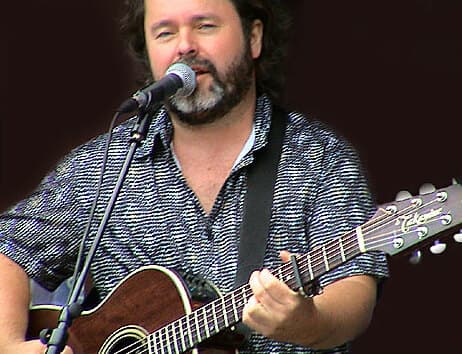
Shares folk rock, country rock (subgenres); analog_warmth, live_recording, stripped_back (production style)
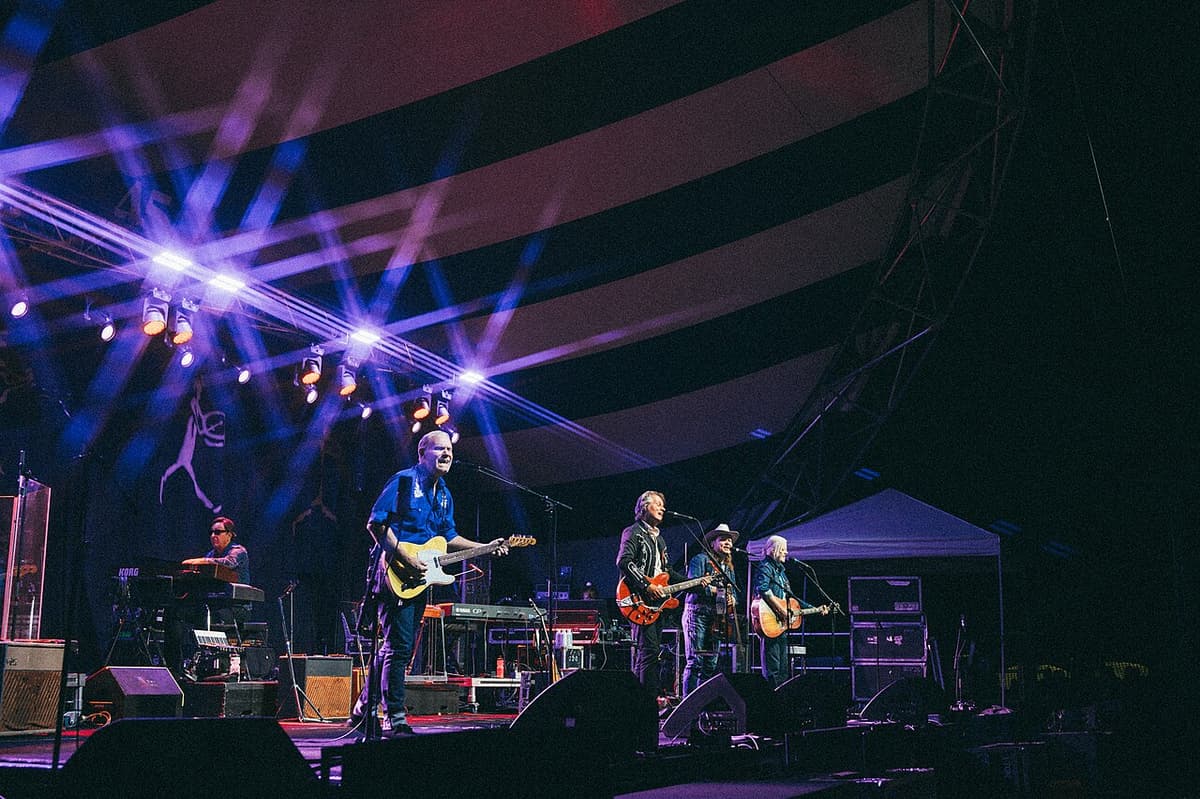
Shares analog_warmth, live_recording, stripped_back (production style); folk rock, country rock (subgenres)

Shares analog_warmth, stripped_back, live_recording (production style); acoustic guitar, electric guitar, harmonica (instrumentation)
Cassette uses generative AI to enrich its catalog. How we use AI →