
MFÖ
Sun-drenched Turkish pop-rock defined by intricate three-part harmonies and a playful, Beatlesque spirit. Perfect for road trips and nostalgic summer evenings.
Sun-drenched Turkish pop-rock defined by intricate three-part harmonies and a playful, Beatlesque spirit. Perfect for road trips and nostalgic summer evenings.
MFÖ sounds like the collective memory of a Turkish summer. Their music is built on a foundation of impeccable three-part vocal harmonies that feel both technically precise and warmly familiar. It is a sound that bridges the gap between the psychedelic experimentation of the 1970s and the polished, synth-inflected pop of the 1980s, all while maintaining a distinctly Mediterranean organic warmth.
What makes them truly distinctive is their ability to pivot from sharp, satirical social commentary to profound spiritual introspection without losing their infectious melodic sensibility. One moment they are poking fun at urban archetypes with a funky slap-bass groove, and the next they are exploring Sufi mysticism through shimmering acoustic guitars. They are the rare band that is equally respected by music theorists and casual karaoke fans.
Start with their 1984 masterpiece 'Ele Güne Karşı Yapayalnız'. It is the definitive document of their sound, containing the title track that became a national anthem of sorts. From there, explore 'AGU' to hear how their songwriting matured into a sophisticated, timeless art-pop that still resonates across generations.
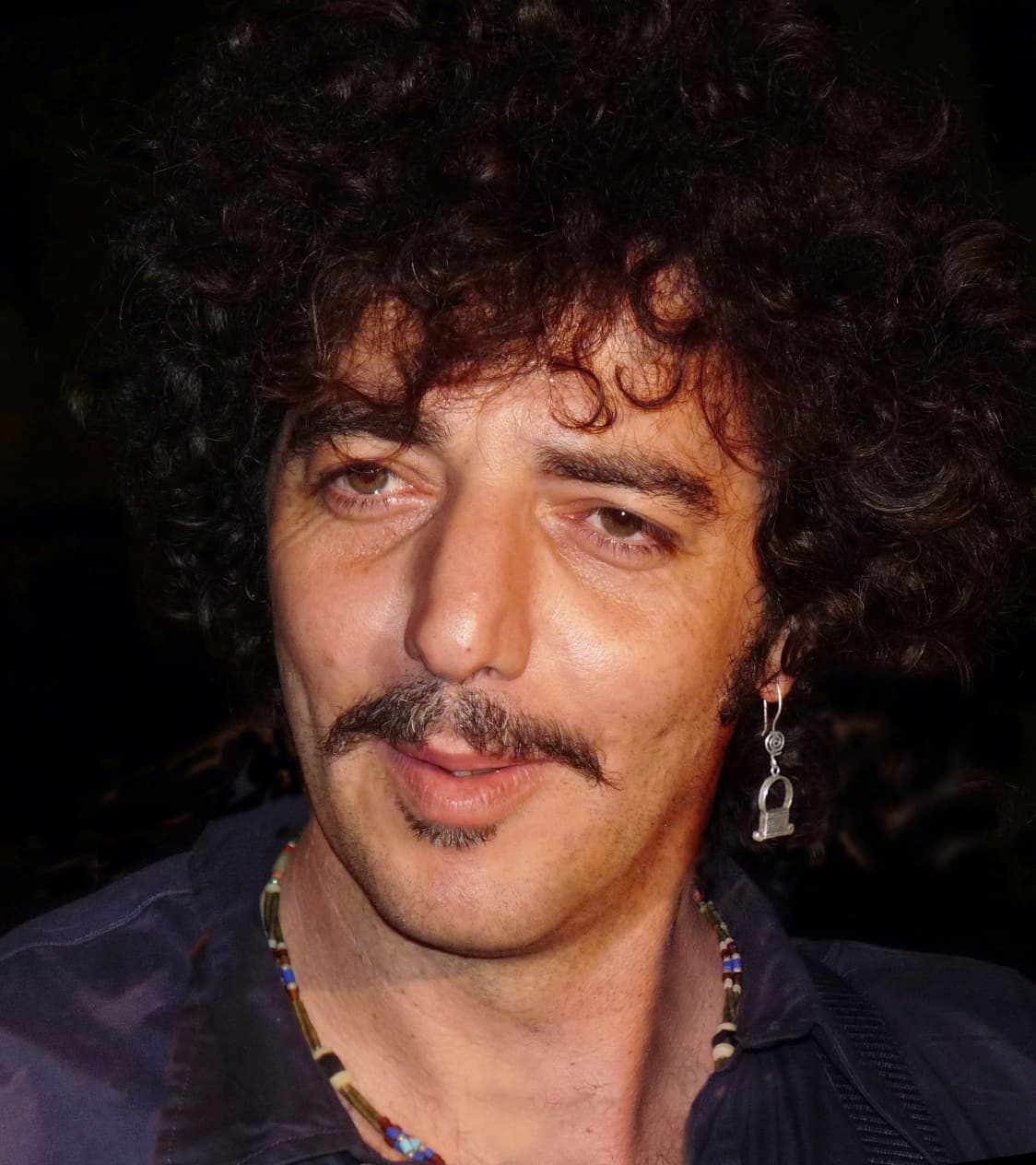
Mazhar Fuat Özkan (MFÖ) was a Turkish pop and rock band consisted of members Mazhar Alanson, Fuat Güner, and Özkan Uğur. While many of their songs poke fun at common Turkish types ("Ali Desidero", "Piskopatım") or satirise prejudice and corruption ("Deli Deli", "Rüşvet"), others are more spiritual in nature, showing their interest in Sufism ("Sufi", "Ateş-i Aşka"). In 1965, Mazhar Alanson and Fuat Güner first met at a record shop when Alanson saw Güner with a Beatles record in his hand and offered then a stranger Güner to listen the record together. Alanson and Güner would then start to work together and play in the Turkish band, Kaygısızlar, which includes other well known Turkish musicians like Ali Serdar, Semih Oksay, Fikret Kızılok, and Barış Manço. Having also played with Kaygısızlar, Özkan Uğur would start working with other musicians like Erkin Koray, Ersen ve Dadaşlar, and Kurtalan Ekspres after Kaygisizlar separated in 1971. The same year, in 1971, Mazhar Alanson and Fuat Güner recorded the only album of Mazhar-Fuat. The title of the LP is Türküz Türkü Çağırırız. Following this LP's commercial failure, in 1976, Alanson and Güner formed the band, İpucu Beşlisi, with Özkan Uğur, Ayhan Sicimoğlu, and Galip Boransu, which would separate in 1978. In 1984, MFÖ would release their first LP Ele Güne Karşı Yapayalnız which turned out to be a big hit. Though, it is accepted MFÖ is officially established in 1971 when Özkan Uğur first played with Alanson and Güner. On July 8 2023, member of the band Özkan Uğur died due to a relapse of the lymphoma cancer he had previously survived.
Shares analog warmth, studio polished, layered dense (production style); psychedelic rock, synth-pop, art pop (subgenres)

Shares playful, nostalgic, wistful (moods); studio polished, analog warmth, layered dense (production style)
Shares alternative rock, psychedelic rock, art pop (subgenres); analog warmth, studio polished, layered dense (production style)
Shares playful, contemplative, wistful (moods); analog warmth, studio polished, hand played (production style)
Shares alternative rock, synth-pop, art pop (subgenres); analog warmth, studio polished, layered dense (production style)
Shares playful, nostalgic, wistful (moods); analog warmth, studio polished, layered dense (production style)
Shares synth-pop, art pop, soft rock (subgenres); analog warmth, studio polished, layered dense (production style)
Shares art pop, synth-pop, alternative rock (subgenres); studio polished, analog warmth, layered dense (production style)

Shares studio polished, analog warmth, layered dense (production style); playful, contemplative, wistful (moods)
Cassette uses generative AI to enrich its catalog. How we use AI →