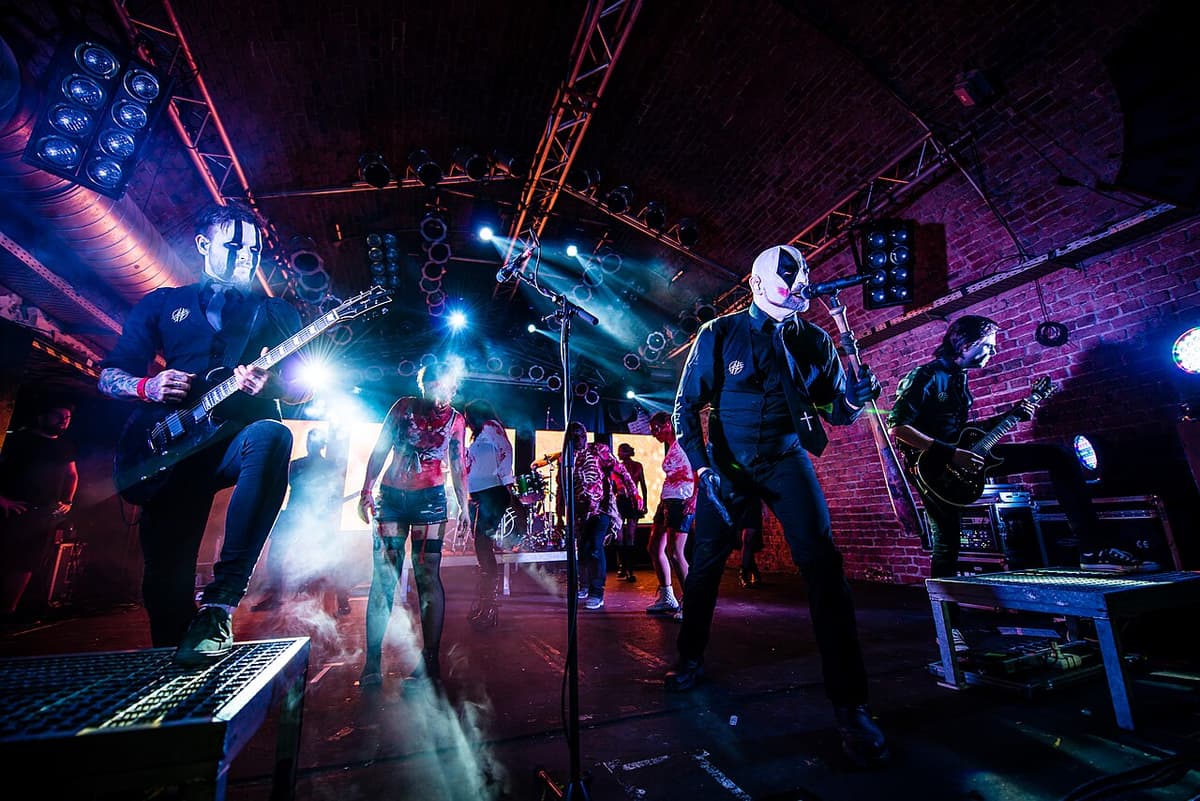
Megaherz
Heavy, mechanized riffs meet deep German vocals and cinematic synths. Aggressive industrial metal with a dark, rhythmic pulse for high-stakes focus or late-night drives.
Heavy, mechanized riffs meet deep German vocals and cinematic synths. Aggressive industrial metal with a dark, rhythmic pulse for high-stakes focus or late-night drives.
Megaherz delivers a quintessential Neue Deutsche Härte experience, characterized by a relentless, mechanized stomp and thick, down-tuned guitar walls. The music feels like a massive iron engine coming to life: heavy, rhythmic, and undeniably powerful. While the foundation is rooted in industrial metal, there is a distinct melodic sensibility that keeps the songs from becoming purely abrasive, often utilizing synthesizers to add a layer of dark, cinematic atmosphere.
What truly sets them apart is the vocal delivery and lyrical depth. The deep, authoritative baritone typical of the genre is used here to weave together social commentary with dark, often twisted reinterpretations of classic German folklore. This juxtaposition of modern industrial aggression and traditional storytelling creates a unique tension, making the music feel both futuristic and ancient. The production is polished and punchy, emphasizing the 'heart' in their name through a pulsing, rhythmic core.
For those new to the band, the early 2000s material offers the perfect entry point, showcasing the transition from their alternative metal roots into the polished industrial powerhouse they became. It is music for moments that require grit, determination, and a touch of theatrical darkness, serving as the ideal soundtrack for high-intensity activities or brooding nocturnal exploration.
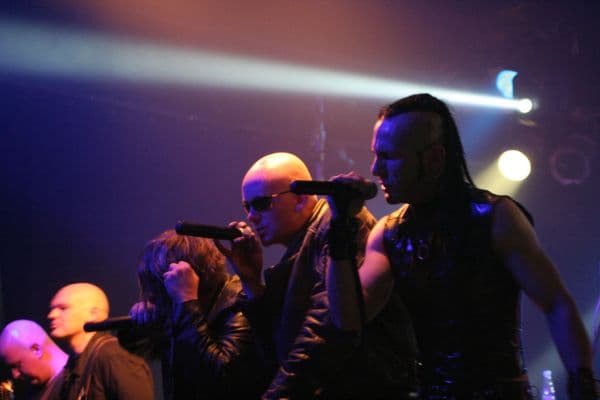
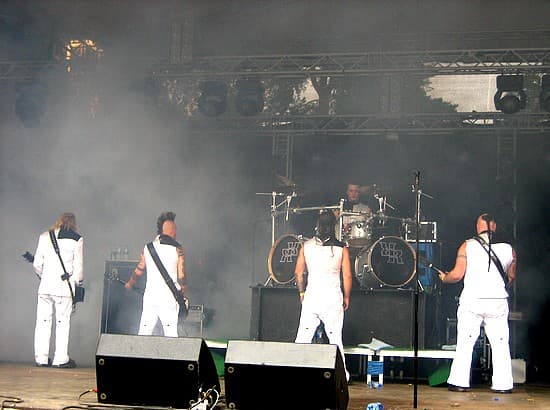
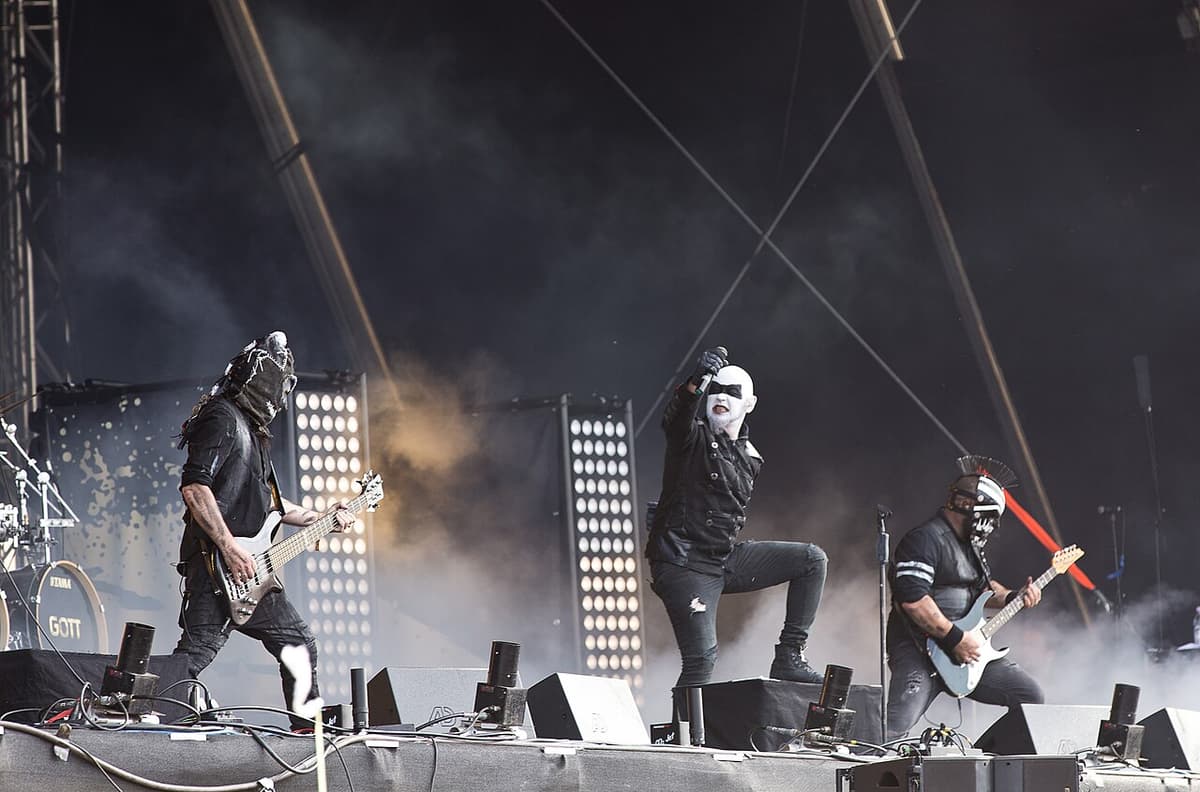
Megaherz (German name meaning "Mega-heart", a pun on the homophone "megahertz") is a German Neue Deutsche Härte band formed in Eichenau in 1993. Megaherz has gone through many changes in musical style since their founding. Their early works can be categorized as dark alternative metal, comparable to 1990s American bands such as Faith No More, whereas recent works are comparable to bands such as Oomph! and Rammstein. Their early albums all include at least one song based on a classic German fairy tale, including "Hänschen klein" ("Little Hans") on Herzwerk, "Rapunzel" on Kopfschuss, "Windkind" ("Wind Child") on Himmelfahrt, and "I.M Rumpelstilzchen" on Herzwerk II. The band has had many changes in line-up since its formation in 1993. Guitarist Christian Bystron and bassist Wenz Weninger have been the band's only consistent members since 1995. Since vocalist Alexander Wesselsky's departure in 2003, no founding member has remained in the band.
Cassette uses generative AI to enrich its catalog. How we use AI →