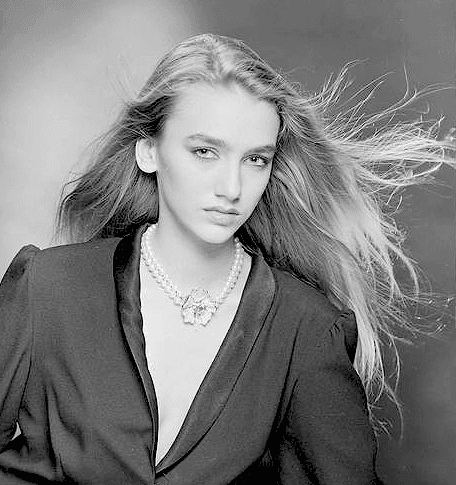
Marilyn
Shimmering 80s synth-pop with a defiant, androgynous soul. Glamorous, club-ready melodies for those who treat the sidewalk like a high-fashion runway.
Shimmering 80s synth-pop with a defiant, androgynous soul. Glamorous, club-ready melodies for those who treat the sidewalk like a high-fashion runway.
Marilyn's music is the sonic equivalent of a perfectly applied winged eyeliner: sharp, deliberate, and undeniably glamorous. Emerging from the heart of London's New Romantic scene, the sound is built on a foundation of polished 80s synthesizers and crisp drum machine patterns, but it is elevated by a vocal presence that is both delicate and commanding. There is a distinct warmth to the production that hints at Motown and gospel influences, creating a sophisticated pop hybrid that feels more organic than the cold mechanical pulse of many of his contemporaries.
What truly sets Marilyn apart is the intersection of high-fashion artifice and genuine vulnerability. While the image was famously inspired by Marilyn Monroe, the music often explores themes of identity, longing, and the search for freedom within a rigid society. The tracks often feature lush arrangements and catchy, reggae-inflected hooks that made him a global chart fixture, yet there is an underlying sense of the outsider looking in, a quality that resonates with anyone who has ever used style as a form of rebellion.
To understand the appeal, start with the massive hit Calling Your Name. It perfectly captures the era's obsession with melody and image while showcasing a vocal range that blurred traditional gender lines. From there, explore the Despite Straight Lines album to hear the evolution from club kid to a more refined, soul-influenced pop artist who wasn't afraid to strip back the makeup and let the songwriting stand on its own.
Peter Antony Robinson (born 3 November 1962), better known as Marilyn, is an English singer known for his androgynous appearance. He was one of Britain's most successful gender bending musical artists in the 1980s. First becoming a noted figure on the London club scene, Marilyn topped the European, Japanese and Australian charts with his 1983 hit "Calling Your Name". The song was later included on his 1985 debut album Despite Straight Lines. Marilyn also contributed to the Christmas number one Band Aid song, "Do They Know It's Christmas?" He has modelled for several fashion designers including Jean Paul Gaultier and Vivienne Westwood. Photographs of him are housed in London's National Portrait Gallery. Marilyn has been portrayed in several productions, including Boy George's stage musical Taboo which reflected on the New Romantic scene, and by the actor Freddie Fox in the 2010 BBC television film Worried About the Boy.

Shares new wave, synth-pop, dance-pop (subgenres); digital clarity, drum machine, studio polished (production style)
Shares synth-pop, new wave, dance-pop (subgenres); digital clarity, studio polished, drum machine (production style)
Shares new wave, synth-pop, dance-pop (subgenres); studio polished, digital clarity, drum machine (production style)
Shares new wave, synth-pop, dance-pop (subgenres); digital clarity, studio polished, drum machine (production style)
Shares synth-pop, new wave, dance-pop (subgenres); studio polished, digital clarity, drum machine (production style)

Shares new wave, synth-pop, dance-pop (subgenres); digital clarity, drum machine, studio polished (production style)
Shares synth-pop, new wave, dance-pop (subgenres); digital clarity, drum machine, studio polished (production style)
Cassette uses generative AI to enrich its catalog. How we use AI →