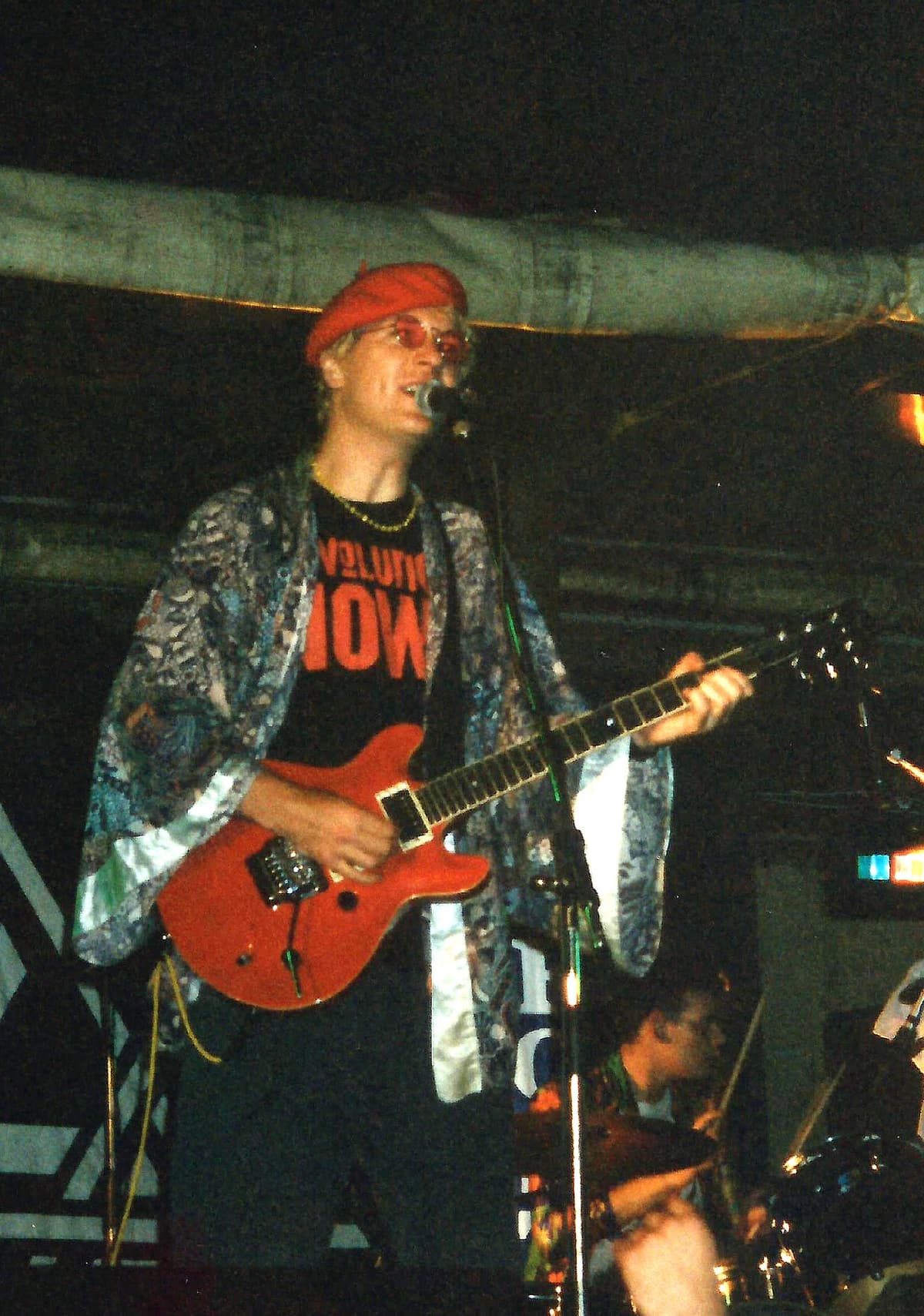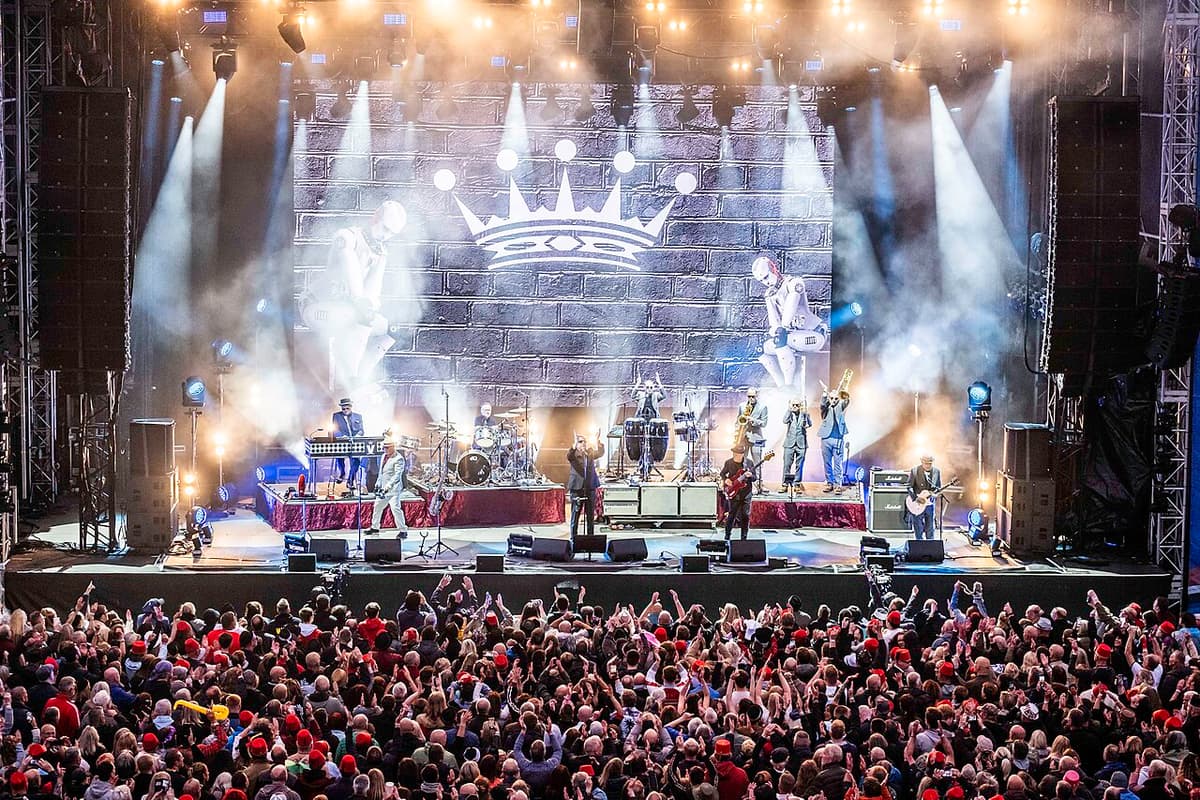
Madness
Bouncy ska rhythms meet music-hall storytelling and deadpan wit. The sound of a chaotic but loving family home, filtered through the lens of 1980s London pop.
Bouncy ska rhythms meet music-hall storytelling and deadpan wit. The sound of a chaotic but loving family home, filtered through the lens of 1980s London pop.
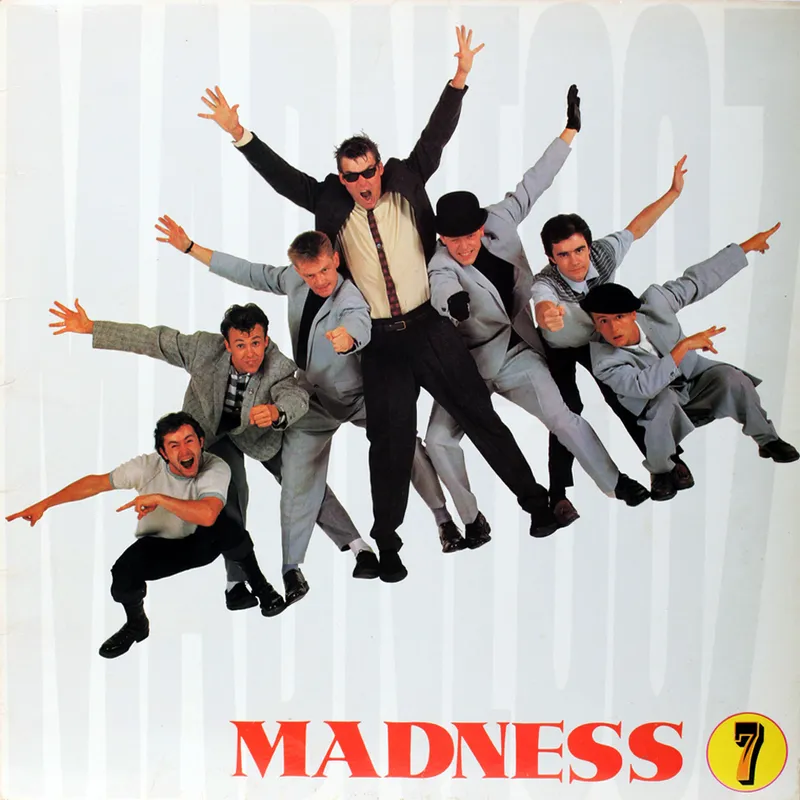
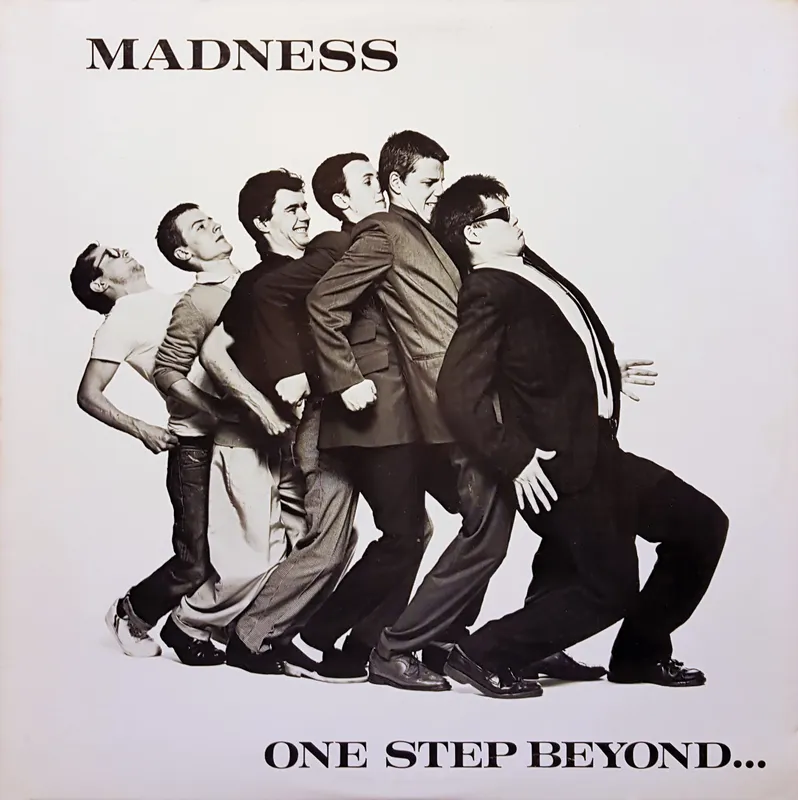
Madness emerged from the late-1970s 2 Tone ska revival in Camden Town, London, but quickly transcended the movement to become one of the UK's most successful pop acts. Their sound identity is built on a foundation of bluebeat and ska rhythms, heavily influenced by Prince Buster, but uniquely flavored with British vaudeville and music hall traditions.
This 'Nutty Sound' relied on a tight-knit seven-piece ensemble where the rhythm section provided a steady bounce for theatrical saxophone and piano leads. Over their career, they evolved from high-speed ska instrumentals to sophisticated, baroque-influenced pop, particularly on albums like 'The Rise & Fall'. Culturally, they are icons of Britishness, representing a specific brand of cheeky, working-class resilience. Critical consensus lauds their longevity and songwriting depth, often comparing their observational lyrics to Ray Davies of The Kinks. Despite a mid-80s hiatus, their 1992 Madstock reunion solidified their status as a permanent fixture in the British cultural canon, capable of literally shaking buildings with the collective energy of their fanbase.

Shares ska, new wave, reggae fusion (subgenres); studio_polished, orchestral_arrangement, analog_warmth (production style)
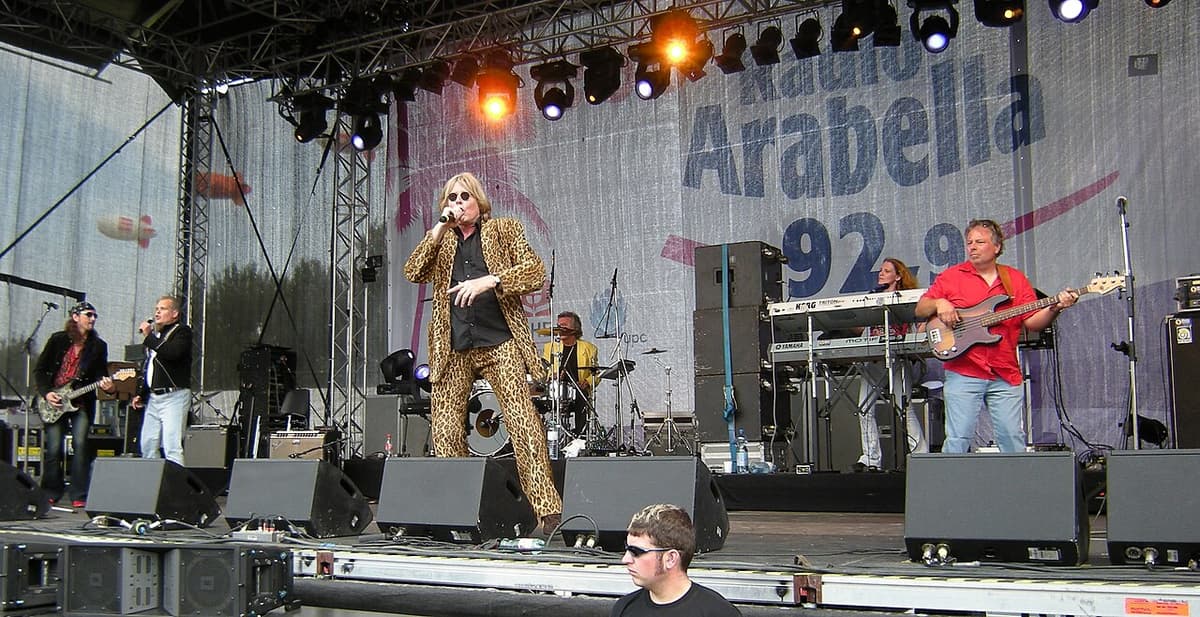
Shares analog_warmth, studio_polished, hand_played (production style); dive_bar, festival, urban_night (atmosphere)

Shares studio_polished, orchestral_arrangement, analog_warmth (production style); playful, nostalgic, bittersweet (moods)
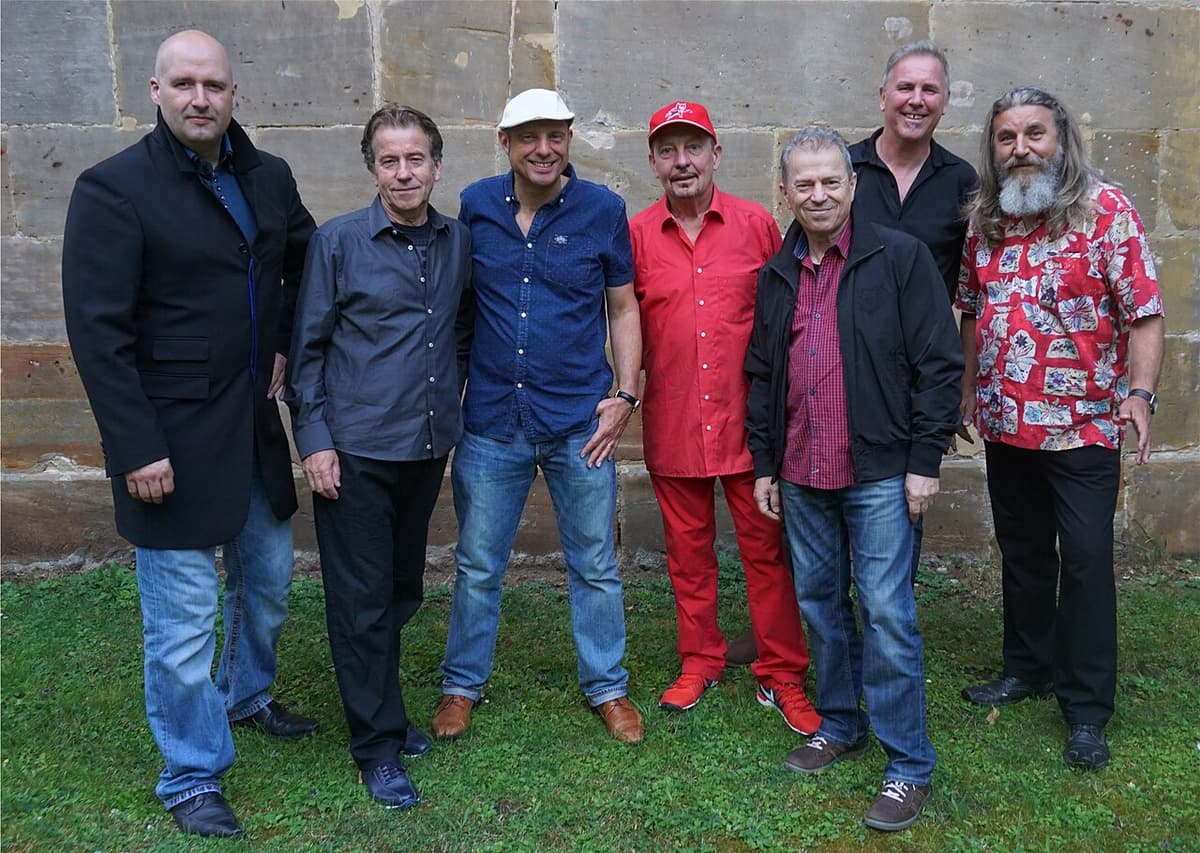
Shares studio_polished, analog_warmth, hand_played (production style); playful, nostalgic, energetic (moods)
Shares playful, nostalgic, energetic (moods); new wave, synth-pop, reggae fusion (subgenres)
Cassette uses generative AI to enrich its catalog. How we use AI →