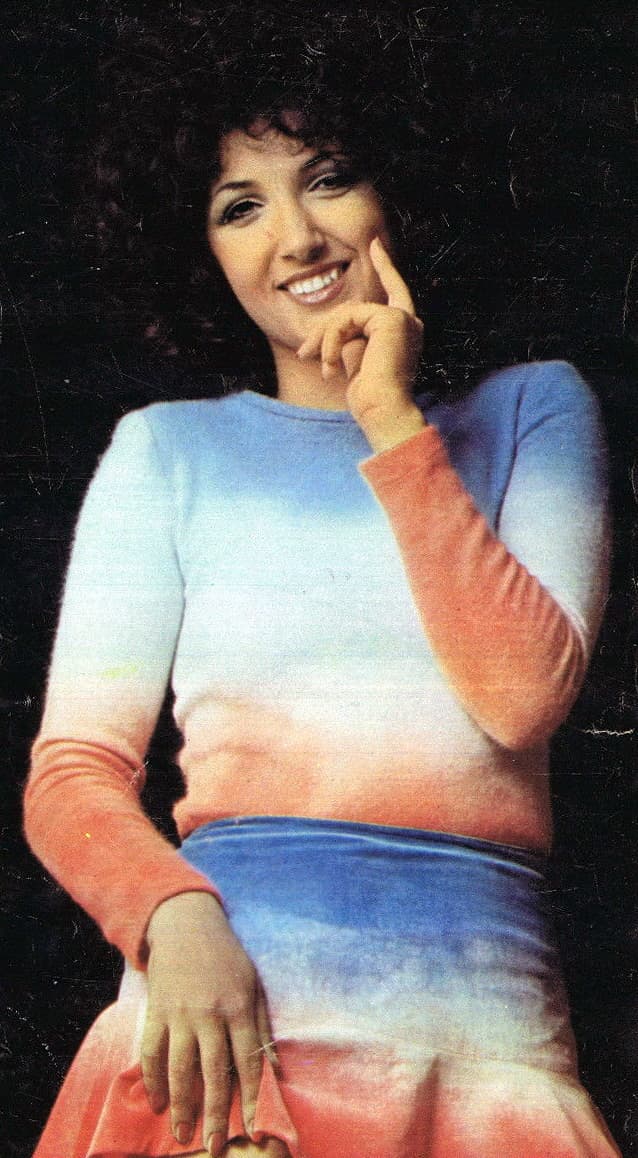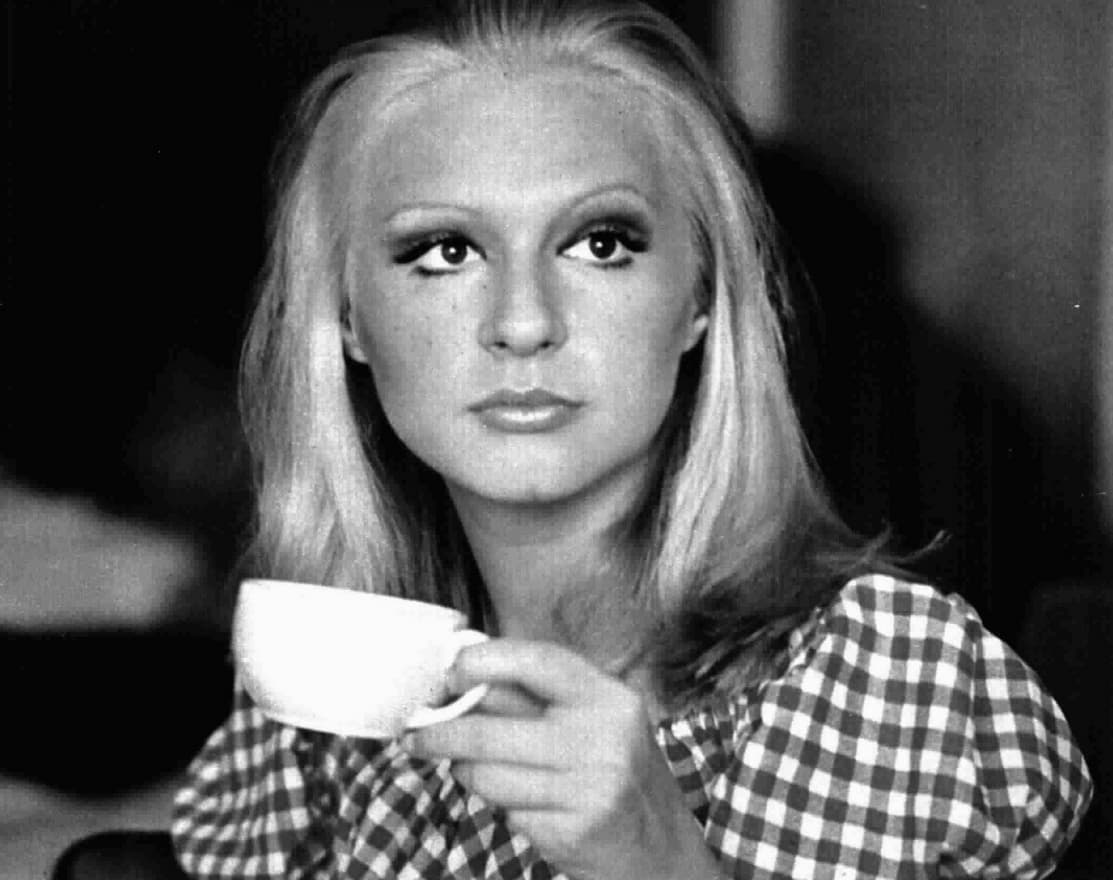
Loretta Goggi
Sweepingly dramatic Italian pop that balances theatrical vocal power with lush orchestral arrangements. Perfect for grand emotional moments and vintage Mediterranean vibes.
Sweepingly dramatic Italian pop that balances theatrical vocal power with lush orchestral arrangements. Perfect for grand emotional moments and vintage Mediterranean vibes.
Loretta Goggi is the quintessential voice of Italian variety television and high-drama pop. Her music feels like a spotlight hitting a stage: it is bold, technically impeccable, and deeply emotive. While she is rooted in the traditional Italian songbook, her work often incorporates the shimmering textures of late 70s disco and the polished production of 80s adult contemporary, all anchored by her formidable, classically-trained vocal range.
What sets Goggi apart is her background as an actress and impersonator, which translates into a unique ability to inhabit a lyric. She doesn't just sing a song; she performs a narrative arc. Her most famous work, particularly the iconic 'Maledetta primavera', showcases a mastery of the slow-burn crescendo, where a delicate, conversational verse explodes into a powerful, cathartic chorus that demands the listener's full attention.
To understand her impact, start with her 1981 output. It represents the peak of her pop stardom, blending the sophistication of Sanremo with a modern, radio-ready sheen. It is music for people who appreciate the craft of the 'diva' in the most respectful sense: an artist who can command an entire orchestra with a single sustained note.
Loretta Goggi (Italian pronunciation: [loˈretta ˈɡɔddʒi]; born 29 September 1950) is an Italian singer, actress, and television presenter. Goggi's records have sometimes entered the Italian pop charts. She was the first runner-up at the 1981 Sanremo Festival with the song "Maledetta primavera", her most famous pop hit. She co-founded the disco act Hermanas Goggi with her sister Daniela Goggi, who is also an artist. The duo found success in the Latin markets toward the end of the 1970s. In 1973 she co-hosted a TV show in England with Sammy Davis Jr and performed with Alighiero Noschese on the Italian television program Formula Due. In 2006 the American rapper T.I. sampled the Goggi's song "Molla tutto" for his song "Get It", contained in the album King, included in the soundtrack of the film Step Up. Throughout her career Goggi achieved several accomplishments within the Italian television industry, including setting records. Among her notable contributions was her repertoire of impersonations of prominent figures, encompassing both men and women. While actresses like Isabella Biagini had already presented satirical impersonations on television, Goggi is regarded as the pioneer of female impersonation on Italian television. Her imitations were notable for their inclusion of satirical elements in the texts, thereby elevating the quality of her performances beyond mere parody. In 1979 she became the first woman to host a television quiz in Italy for Fantastico, a well-known Italian Saturday night show. Goggi was also the host of the 1986 Sanremo Festival. Goggi has won four Telegattos in four different categories: best theme song, best quiz, best music transmission and best female personality of the year. She considers herself Catholic.
Shares traditional pop, disco, chamber pop (subgenres); orchestral arrangement, studio polished, analog warmth (production style)
Shares traditional pop, disco, soft rock (subgenres); orchestral arrangement, analog warmth, studio polished (production style)
Shares traditional pop, disco, chamber pop (subgenres); orchestral arrangement, studio polished, analog warmth (production style)
Shares traditional pop, disco, soft rock (subgenres); orchestral arrangement, studio polished, analog warmth (production style)

Shares traditional pop, disco, soft rock (subgenres); orchestral arrangement, studio polished, analog warmth (production style)

Shares orchestral arrangement, studio polished, analog warmth (production style); traditional pop, disco, soft rock (subgenres)
Cassette uses generative AI to enrich its catalog. How we use AI →