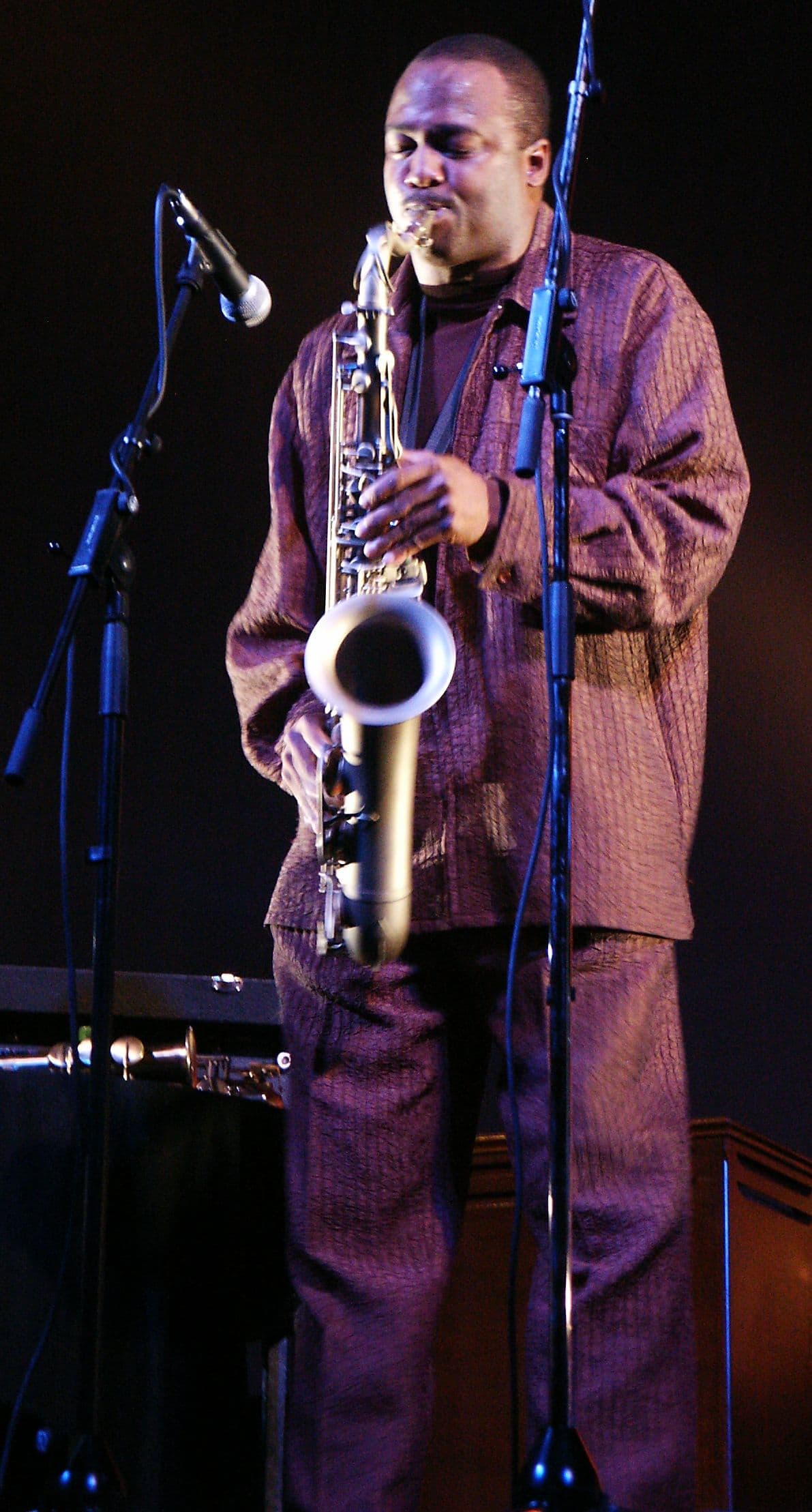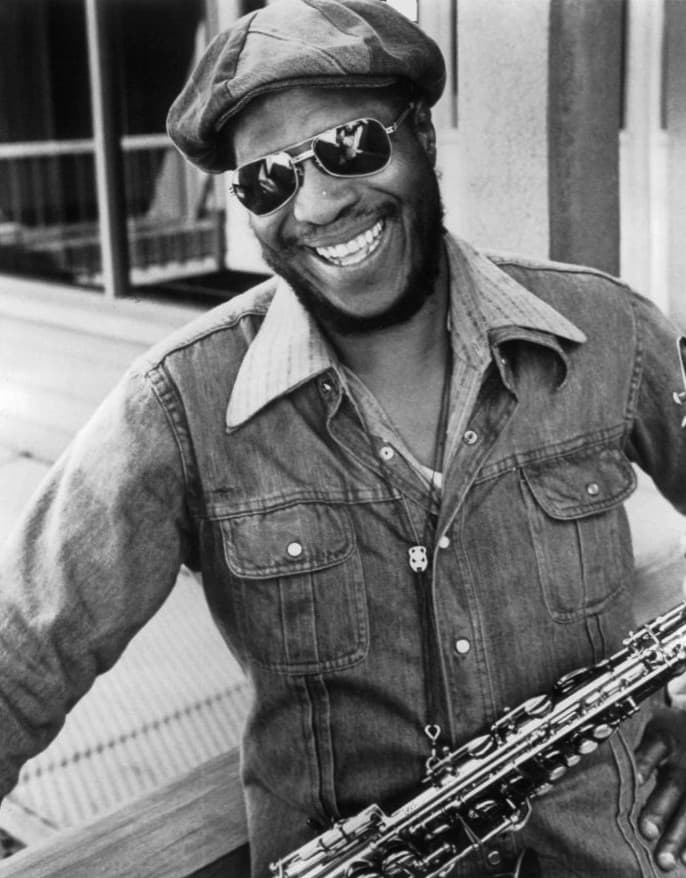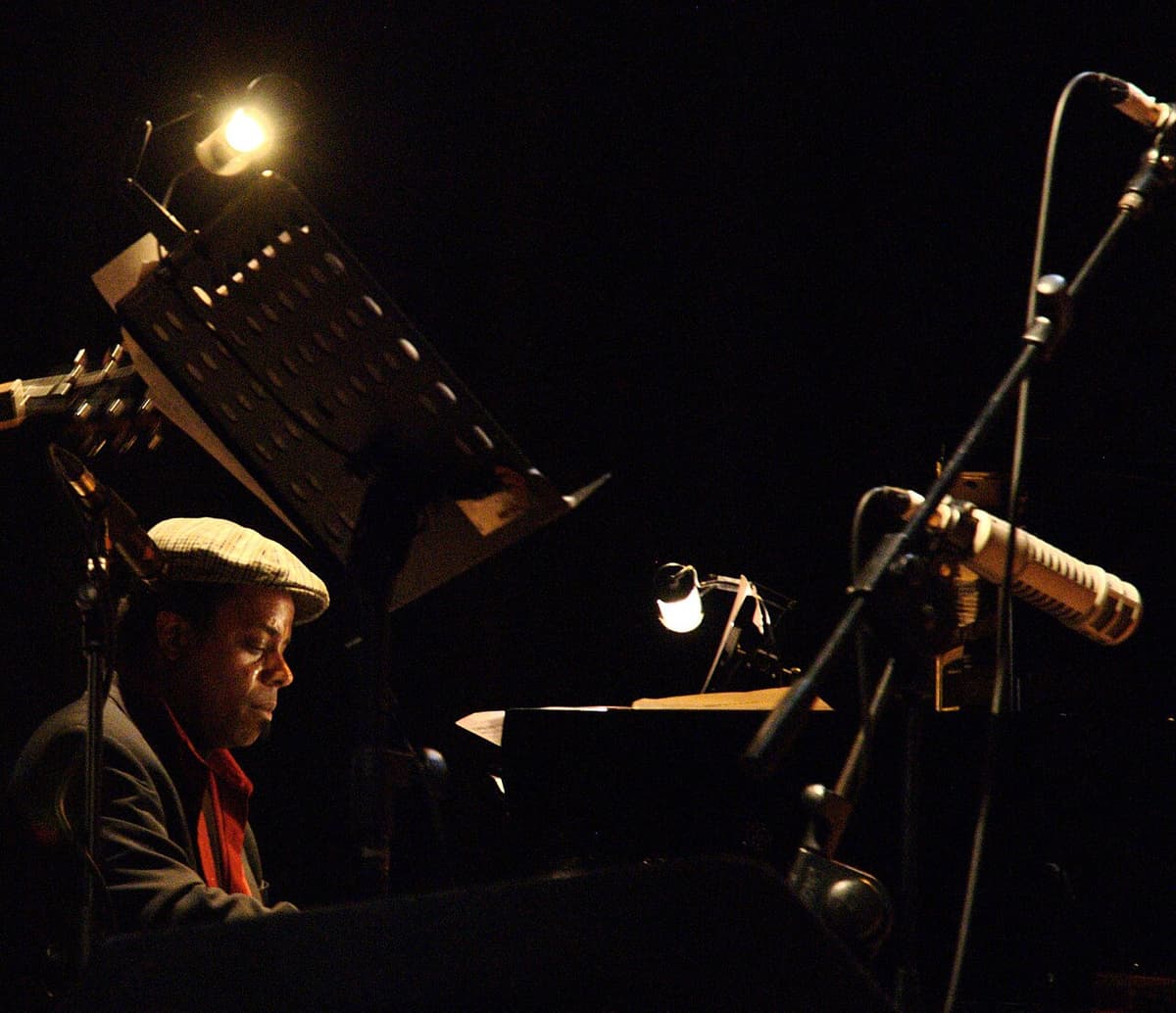
Lafayette Gilchrist
Heavy, percussive piano jazz that carries the weight of the city. Rhythmic, gritty, and deeply soulful music for high-stakes focus or late-night urban wandering.
Heavy, percussive piano jazz that carries the weight of the city. Rhythmic, gritty, and deeply soulful music for high-stakes focus or late-night urban wandering.
Lafayette Gilchrist plays the piano as if it were a percussion instrument, a drum kit, and an orchestra all at once. His sound is rooted in the heavy-hitting traditions of stride and blues, but it is filtered through a modern urban lens that acknowledges the boom-bap of hip-hop and the grit of Baltimore street life. It is music that feels physically present, possessing a weight and a momentum that most contemporary jazz avoids.
What makes Gilchrist truly distinctive is his rhythmic vocabulary. While many jazz pianists aim for fluid, liquid runs, Gilchrist favors a jagged, architectural approach. He builds his compositions like cities, starting with small rhythmic 'settlements' that eventually grow into massive, complex structures. There is a political urgency to his work, an underlying tension that reflects his self-described 'angry and furious' perspective, yet it is always grounded in a deep spiritual dimension.
Start with 'Towards the Shining Path' to hear his ensemble work at its most explosive, or 'Now' for a more intimate look at his solo voice. This is the ideal soundtrack for moments that require both intellectual rigor and raw, unvarnished energy.
Lafayette Gilchrist (born August 3, 1967) is an American jazz pianist and composer. As of January 2014, he lived in Baltimore. He has had a long association with saxophonist David Murray, with whom he has toured internationally. Gilchrist leads an octet/nonet named the New Volcanoes, and a trio called Inside Out (with bassist Michael Formanek and drummer Eric Kennedy). Gilchrist acknowledges multiple influences on his music: "I come from hip-hop culture, [...] I'm not a rapper. I'm not a DJ. I'm not a dancer. But I feed off of all that. All of that's part of what I grew up in, what I grew up around."
Cassette uses generative AI to enrich its catalog. How we use AI →