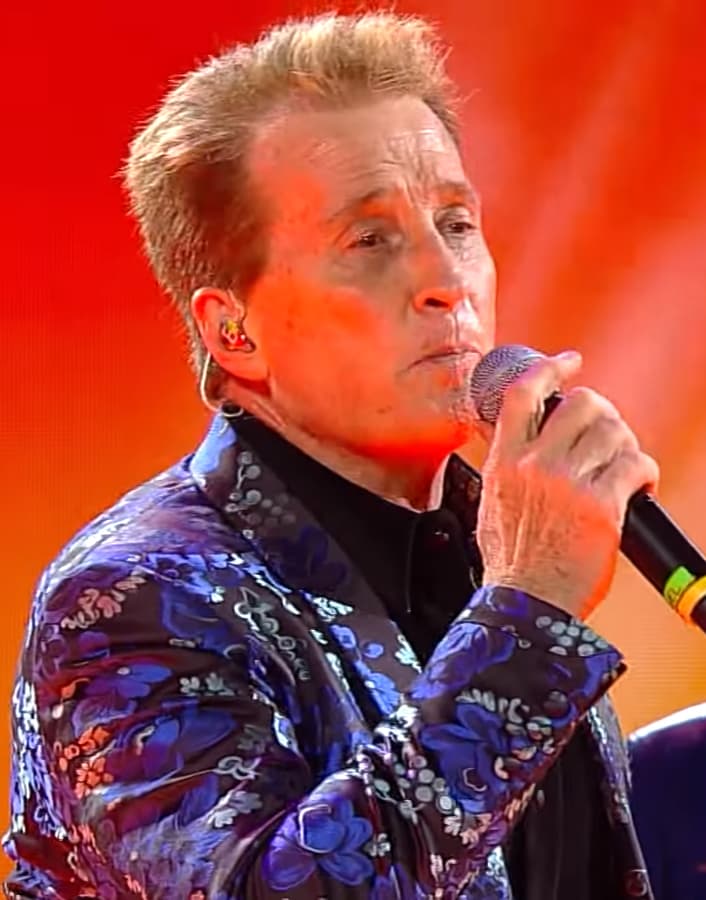
José Luis Perales
Elegant Spanish balladry that feels like a handwritten letter. Warm orchestral arrangements and a gentle, storytelling voice for quiet moments of reflection.
Elegant Spanish balladry that feels like a handwritten letter. Warm orchestral arrangements and a gentle, storytelling voice for quiet moments of reflection.
José Luis Perales sounds like the comfort of a well-worn sweater on a brisk afternoon. His music is defined by a deep, resonant warmth, characterized by lush string sections, delicate piano melodies, and a voice that feels more like a trusted friend telling a story than a pop star performing. There is a distinct 'analog' soul to his recordings, capturing a specific era of Spanish romanticism that is both sophisticated and deeply accessible.
What truly sets him apart is his restraint. While his contemporaries often leaned into high-drama vocal gymnastics, Perales remains conversational and intimate. He is a master of the 'domestic' song, finding profound emotion in everyday scenarios, quiet goodbyes, and the passage of time. His melodies are deceptively simple, designed to carry the weight of his poetic, narrative-driven lyrics without ever overwhelming them.
For those new to his catalog, starting with his 1982 masterpiece 'Entre el agua y el fuego' is essential. It captures him at his creative peak, balancing commercial polish with his signature melancholic depth. It is the perfect entry point for anyone who appreciates the art of the songwriter and the timeless pull of a perfectly crafted Latin ballad.
José Luis Perales Morillas (born 18 January 1945) is a Spanish singer, songwriter and producer. He has recorded 27 albums and 30 million copies sold worldwide. His compositions have been recorded by singers such as Vikki Carr, Bertín Osborne, Raphael, Rocío Jurado, Jeanette, Miguel Bosé, Daniela Romo, Isabel Pantoja, Julio Iglesias, Paloma San Basilio, Mocedades, La Oreja de Van Gogh, Ricardo Montaner and Marc Anthony, among others. Perales has performed concerts in Uruguay, Mexico, Venezuela, Colombia, Argentina, Chile, Guatemala, Costa Rica, Puerto Rico, Dominican Republic, United States, Brazil, Italy, France, and Portugal. His most popular singles are "Quisiera Decir tu Nombre", "¿Y cómo es él?" and "¿Qué Pasará Mañana?". His song "Porque te vas", made popular by Jeanette, has been covered by more than 40 artists in France, Germany, England and Japan, until 2004.
Shares latin pop, traditional pop, vocal jazz (subgenres); romantic, nostalgic, sentimental (moods)
Shares traditional pop, soft rock, latin pop (subgenres); analog warmth, orchestral arrangement, studio polished (production style)
Shares latin pop, traditional pop, soft rock (subgenres); crooning, gentle, baritone (vocal style)
Shares traditional pop, latin pop, soft rock (subgenres); analog warmth, orchestral arrangement, studio polished (production style)
Shares latin pop, traditional pop, vocal jazz (subgenres); studio polished, analog warmth, orchestral arrangement (production style)
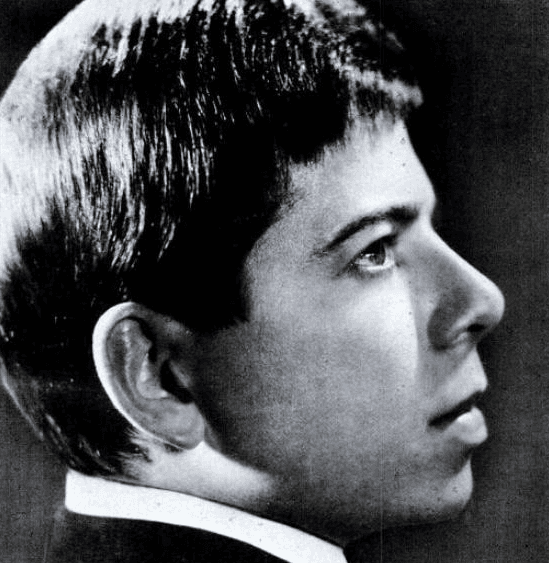
Shares crooning, gentle, baritone (vocal style); orchestral arrangement, analog warmth, studio polished (production style)

Shares orchestral arrangement, analog warmth, studio polished (production style); traditional pop, vocal jazz, soft rock (subgenres)
Shares sentimental, melancholic, romantic (moods); analog warmth, orchestral arrangement, studio polished (production style)

Shares traditional pop, soft rock, latin pop (subgenres); orchestral arrangement, analog warmth, studio polished (production style)
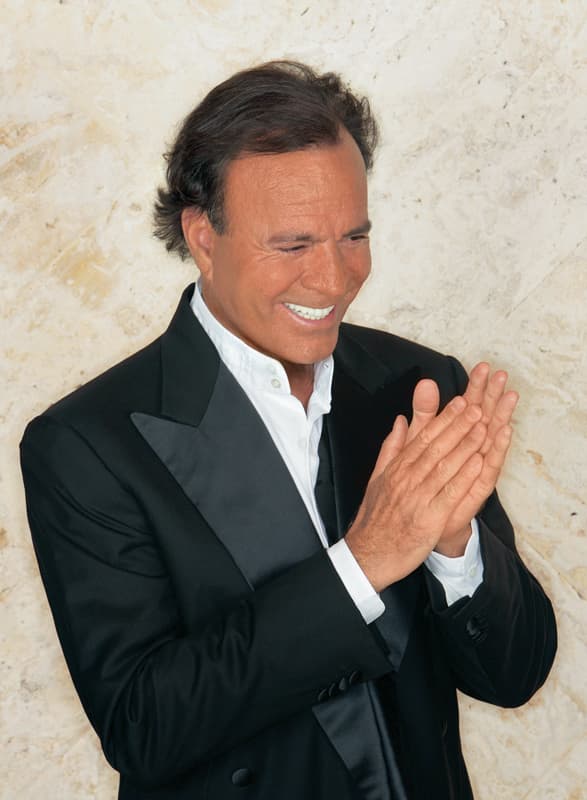
Shares latin pop, traditional pop, soft rock (subgenres); orchestral arrangement, analog warmth, studio polished (production style)
Shares latin pop, orchestral arrangement, soft rock, narrating (subgenre)
Cassette uses generative AI to enrich its catalog. How we use AI →