John Paul Jones
Heavy, groove-laden instrumental rock driven by thunderous basslines and intricate keyboard arrangements. For those who appreciate the architecture behind the noise.
Heavy, groove-laden instrumental rock driven by thunderous basslines and intricate keyboard arrangements. For those who appreciate the architecture behind the noise.
John Paul Jones's solo work sounds like the engine room of classic rock finally taking center stage. It is a masterclass in heavy, physical grooves that refuse to sacrifice complexity. The music is dense and muscular, built on a foundation of thick, distorted basslines, swirling vintage organs, and surprising acoustic textures like mandolin and lap steel. It carries a gritty, late-night energy that feels both deeply rooted in blues-rock history and restlessly experimental.
What makes his solo output so distinctive is his refusal to play the expected role of a supporting bassist. Here, the bass is the lead voice, carving out intricate melodic paths and driving the songs forward with an almost symphonic sense of arrangement. He balances the raw, heavy-metal-adjacent power of his rock pedigree with the sophisticated, classical-influenced structures of an experienced arranger, resulting in instrumental tracks that feel like complete, wordless narratives.
To get started, dive into his 1999 instrumental powerhouse, Zooma. It immediately establishes his solo identity, showcasing his ability to make a bass guitar sound as massive and expressive as any lead guitar. It is the perfect entry point for anyone wanting to hear what happens when a legendary rhythm section architect is given total creative freedom.
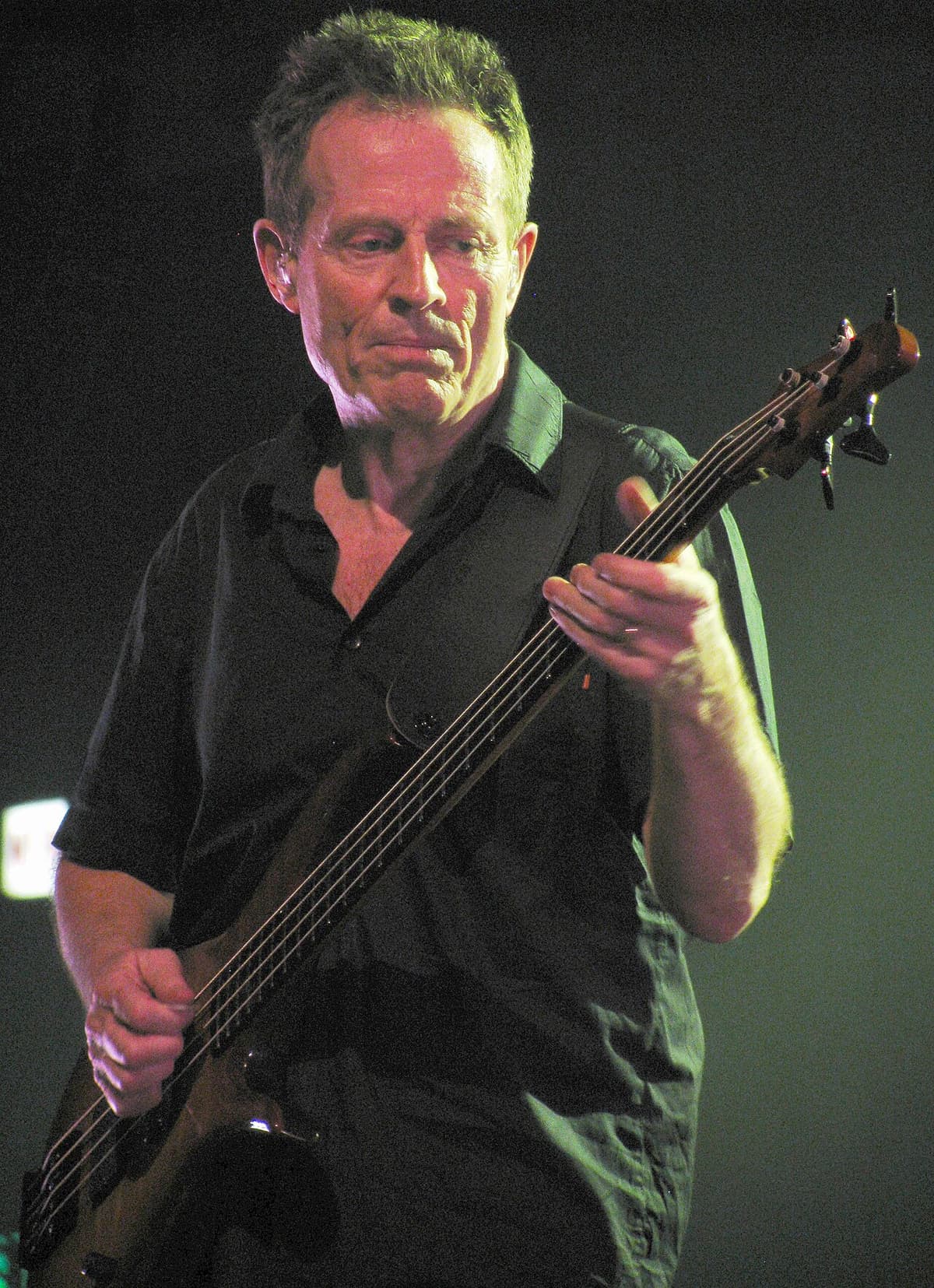
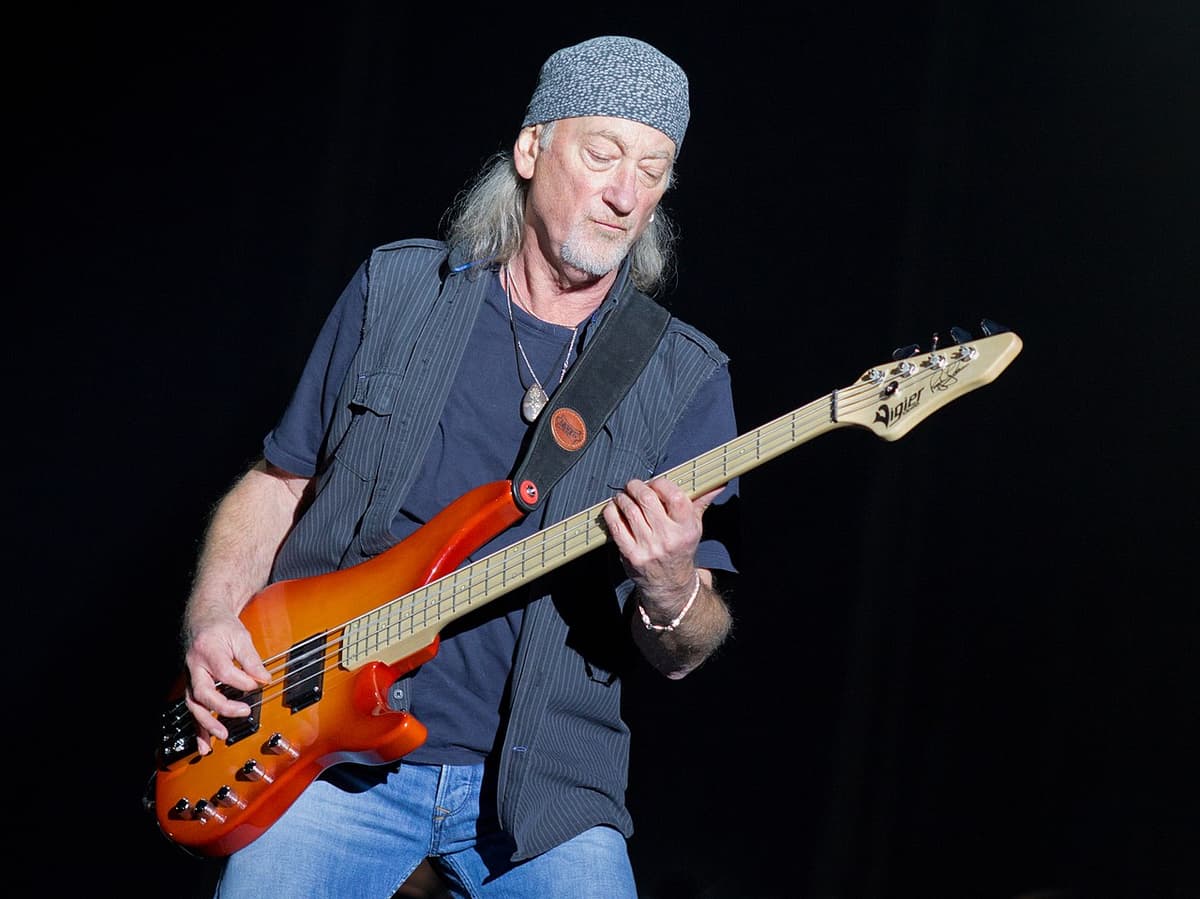
John Paul Jones (born John Richard Baldwin; 3 January 1946) is an English musician and record producer who was the bassist and keyboardist for the rock band Led Zeppelin. He was a session musician and arranger when he formed the band with Jimmy Page in 1968. Jones developed a solo career after drummer John Bonham died and Led Zeppelin disbanded in 1980. He has collaborated with musicians in a variety of genres, including the supergroup Them Crooked Vultures with Dave Grohl, Josh Homme, and Alain Johannes. He was inducted into the Rock and Roll Hall of Fame in 1995 as a member of Led Zeppelin.
Shares hard rock, progressive rock, art rock (subgenres); analog warmth, orchestral arrangement, layered dense (production style)
Shares analog warmth, layered dense, live recording (production style); contemplative, intense, mysterious (moods)
Shares intense, restless, contemplative (moods); urban night, focused work, basement show (atmosphere)
Shares contemplative, intense, mysterious (moods); analog warmth, layered dense, live recording (production style)
Shares progressive rock, art rock, hard rock (subgenres); analog warmth, orchestral arrangement, live recording (production style)
Shares progressive rock, art rock, hard rock (subgenres); layered dense, analog warmth, orchestral arrangement (production style)
Shares hard rock, progressive rock, art rock (subgenres); confident, mysterious, restless (moods)
Shares progressive rock, hard rock, art rock (subgenres); intense, restless, confident (moods)
Cassette uses generative AI to enrich its catalog. How we use AI →