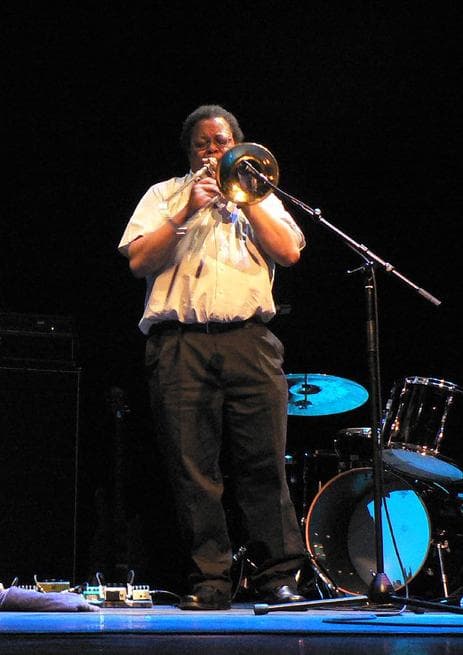
George Lewis
Cerebral trombone lines interacting with self-aware computer algorithms. A masterclass in the tension between human breath and digital logic.
Cerebral trombone lines interacting with self-aware computer algorithms. A masterclass in the tension between human breath and digital logic.
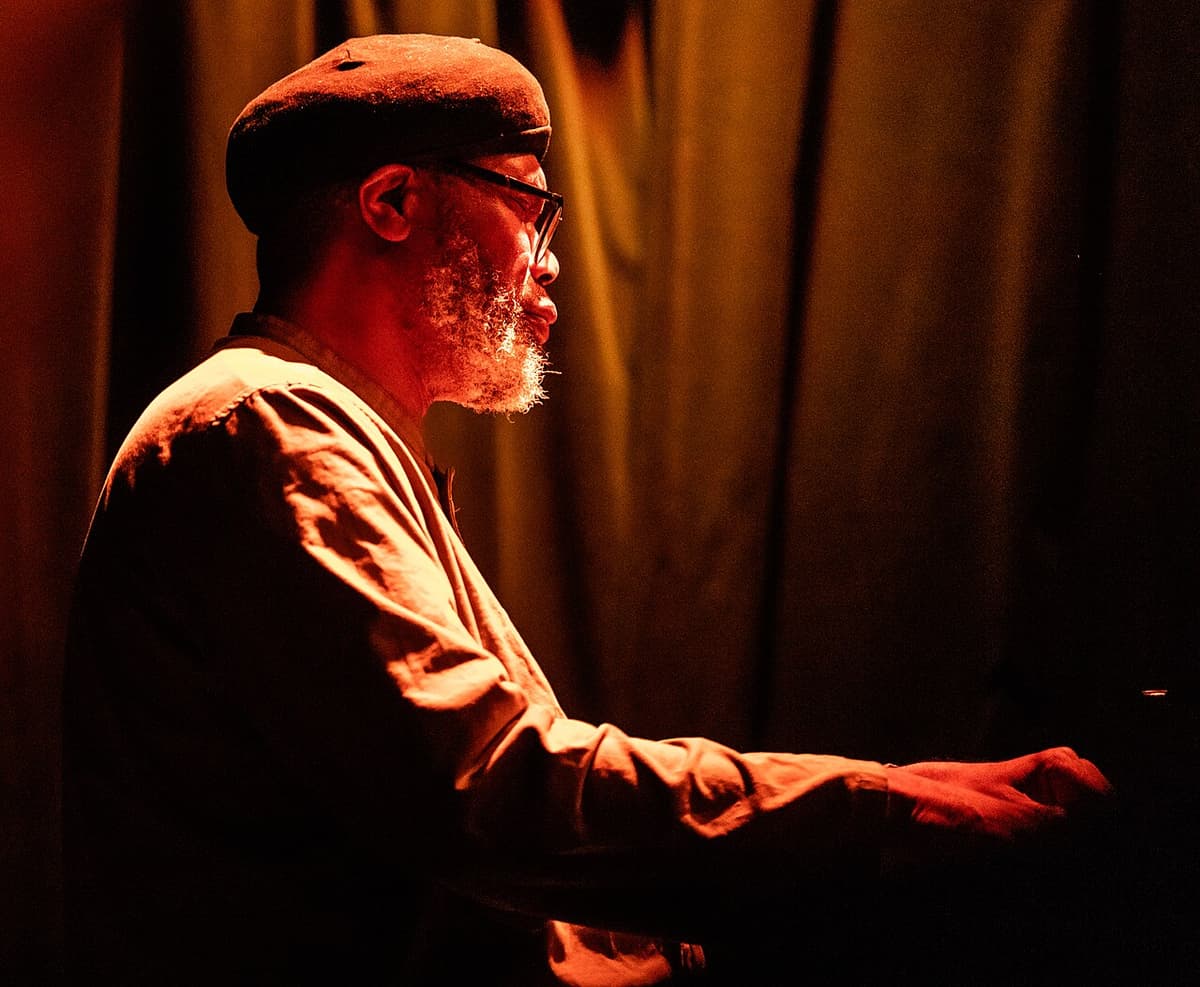
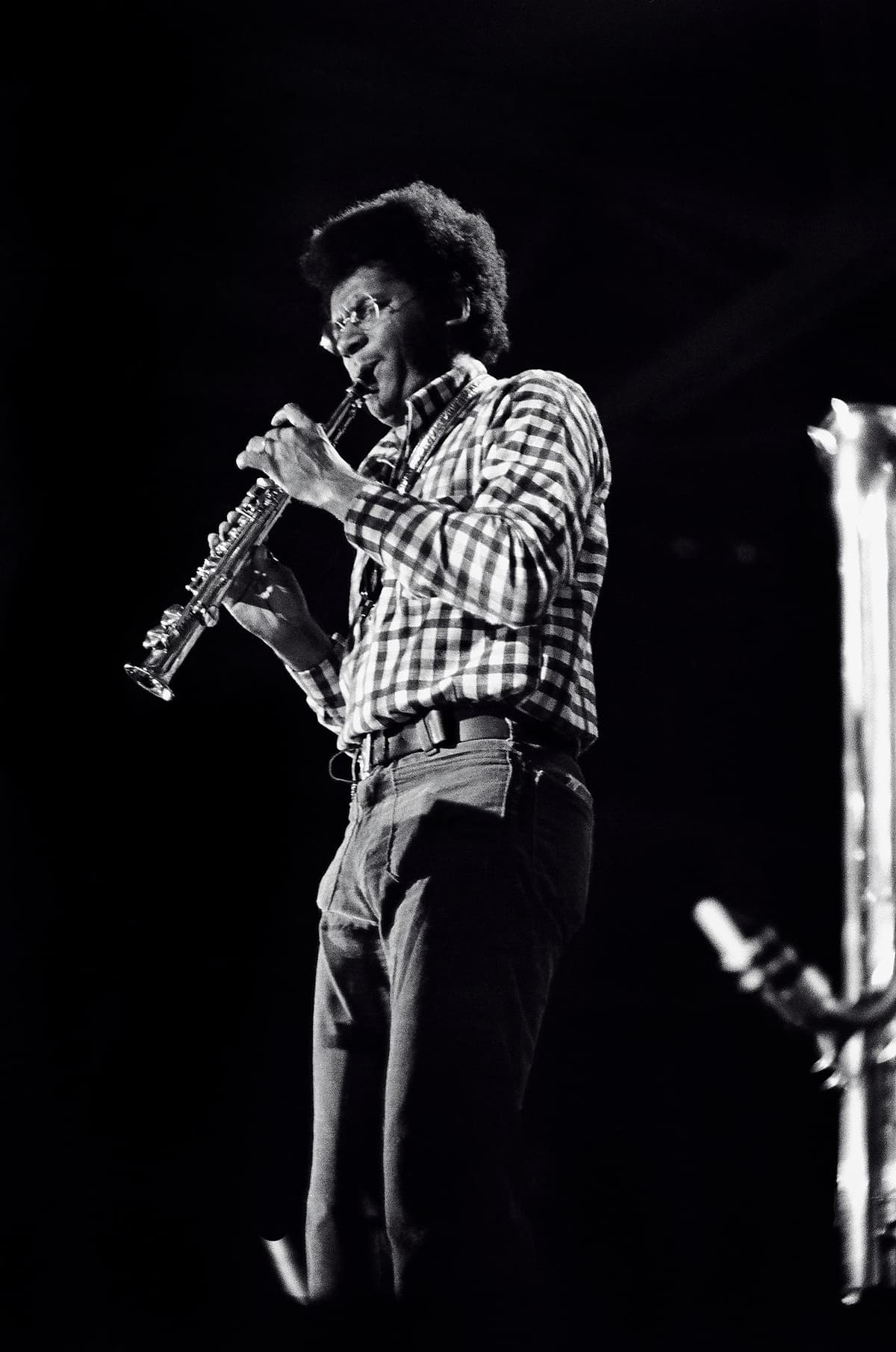
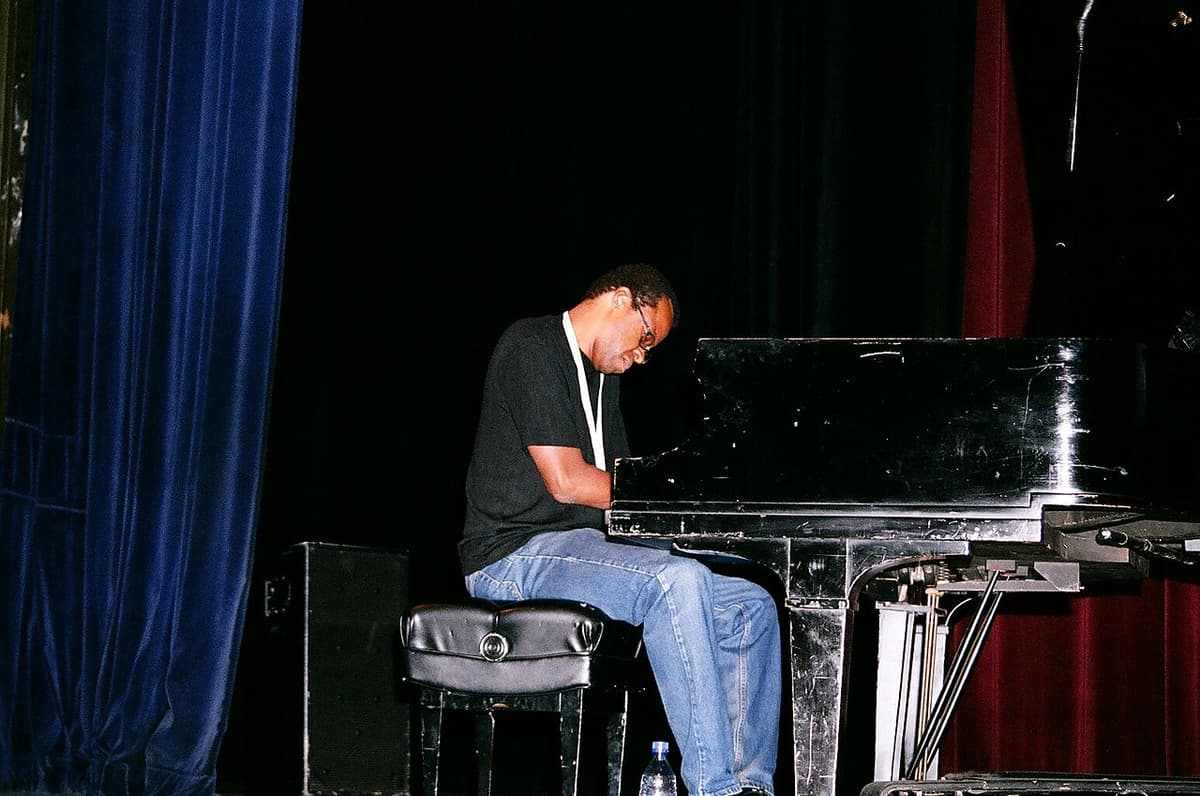
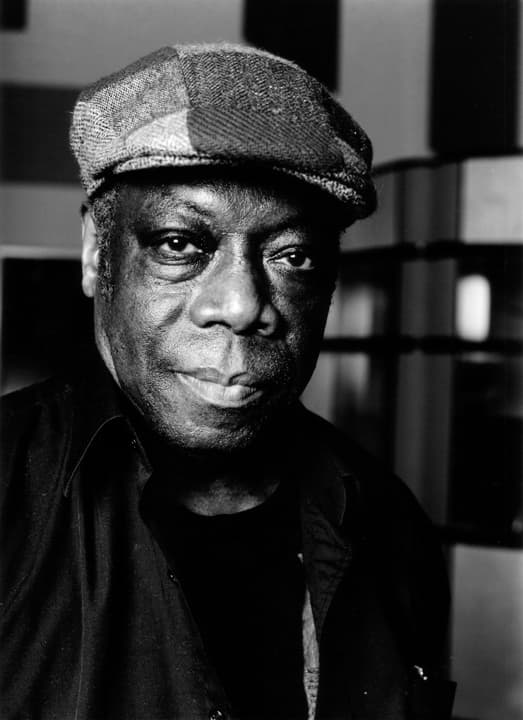
George Lewis is a seminal figure in the Association for the Advancement of Creative Musicians (AACM) and a primary architect of the bridge between avant-garde jazz and computer music. Emerging from the Chicago scene in the early 1970s, Lewis redefined the trombone's role in experimental contexts, moving away from traditional swing or bop idioms toward a language of multiphonics, microtones, and rapid-fire intervals.
His most significant contribution to musicology and performance is the development of 'Voyager', a software system capable of autonomous improvisation. This work challenged Western notions of authorship and agency, positioning the computer as a creative peer rather than a tool. His career arc moved from the radical free-jazz collectives of Chicago to the highest echelons of academia and contemporary composition, evidenced by his tenure at Columbia University. Critical consensus views Lewis not just as a virtuoso performer, but as a vital historian whose book 'A Power Stronger Than Itself' provided the definitive account of the AACM's cultural and musical impact. His influence is seen in both the 'New Music' classical circles and the global improvised music scene.
Shares chamber music, free jazz, avant-garde jazz, library (subgenre)
Cassette uses generative AI to enrich its catalog. How we use AI →