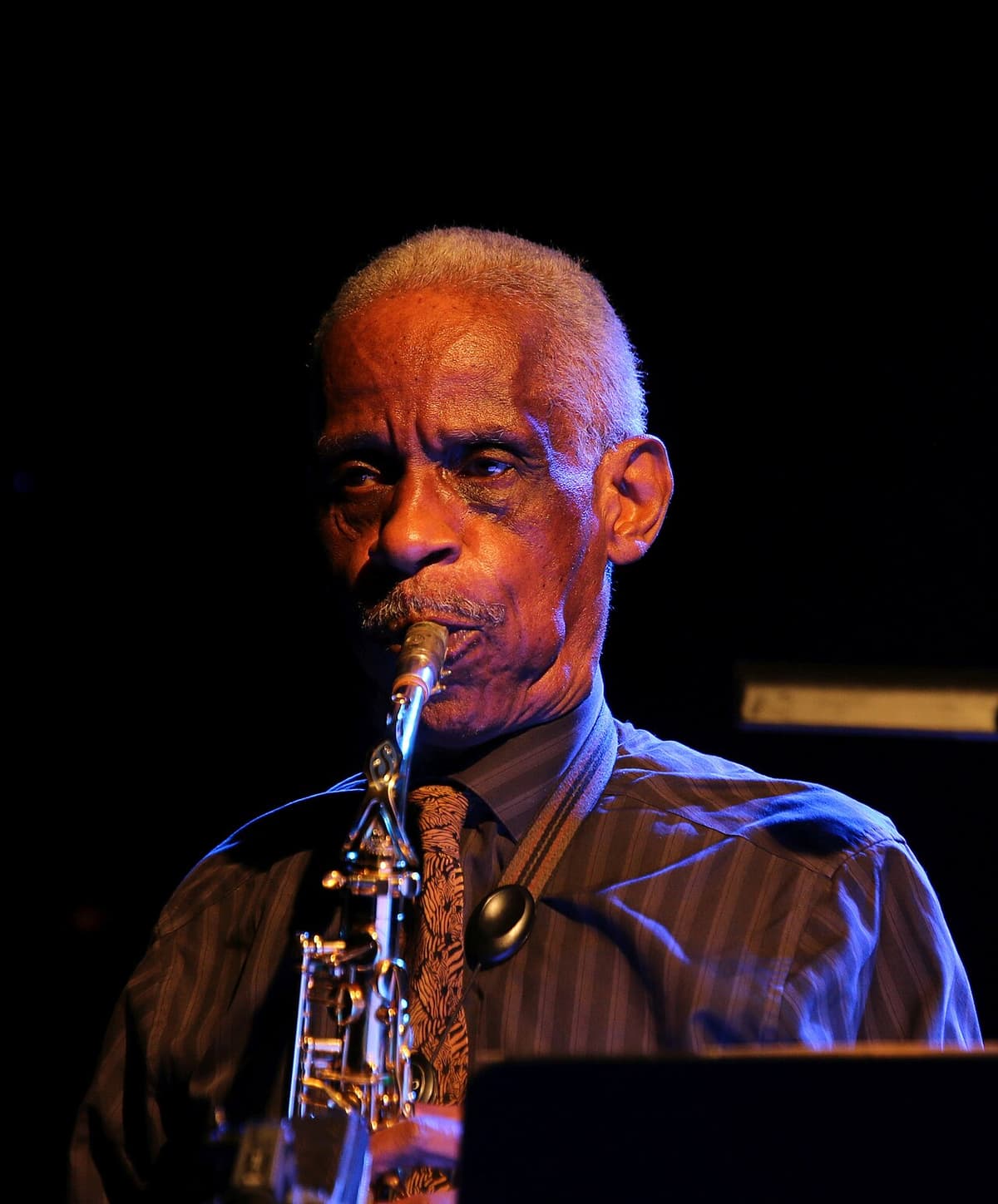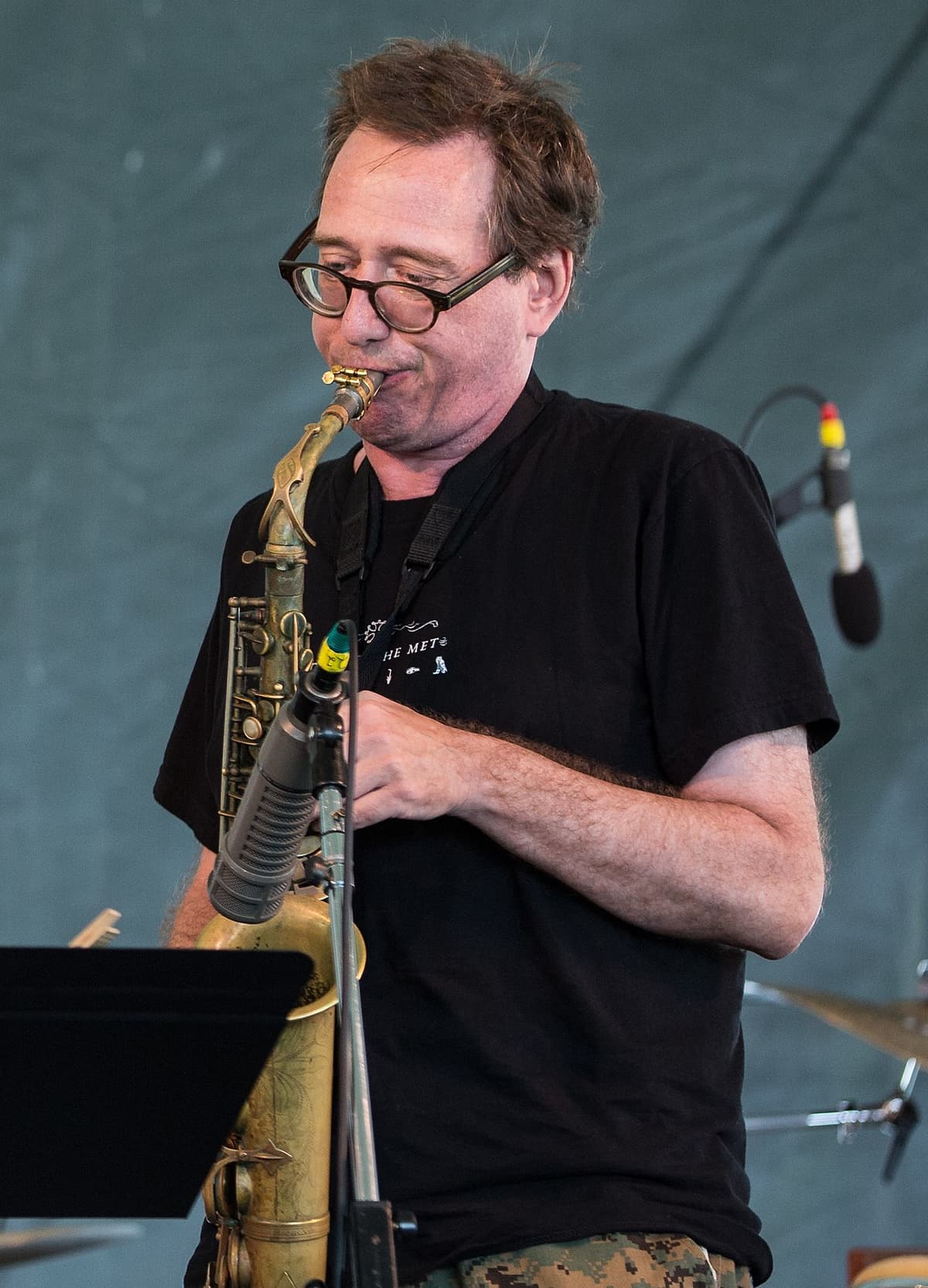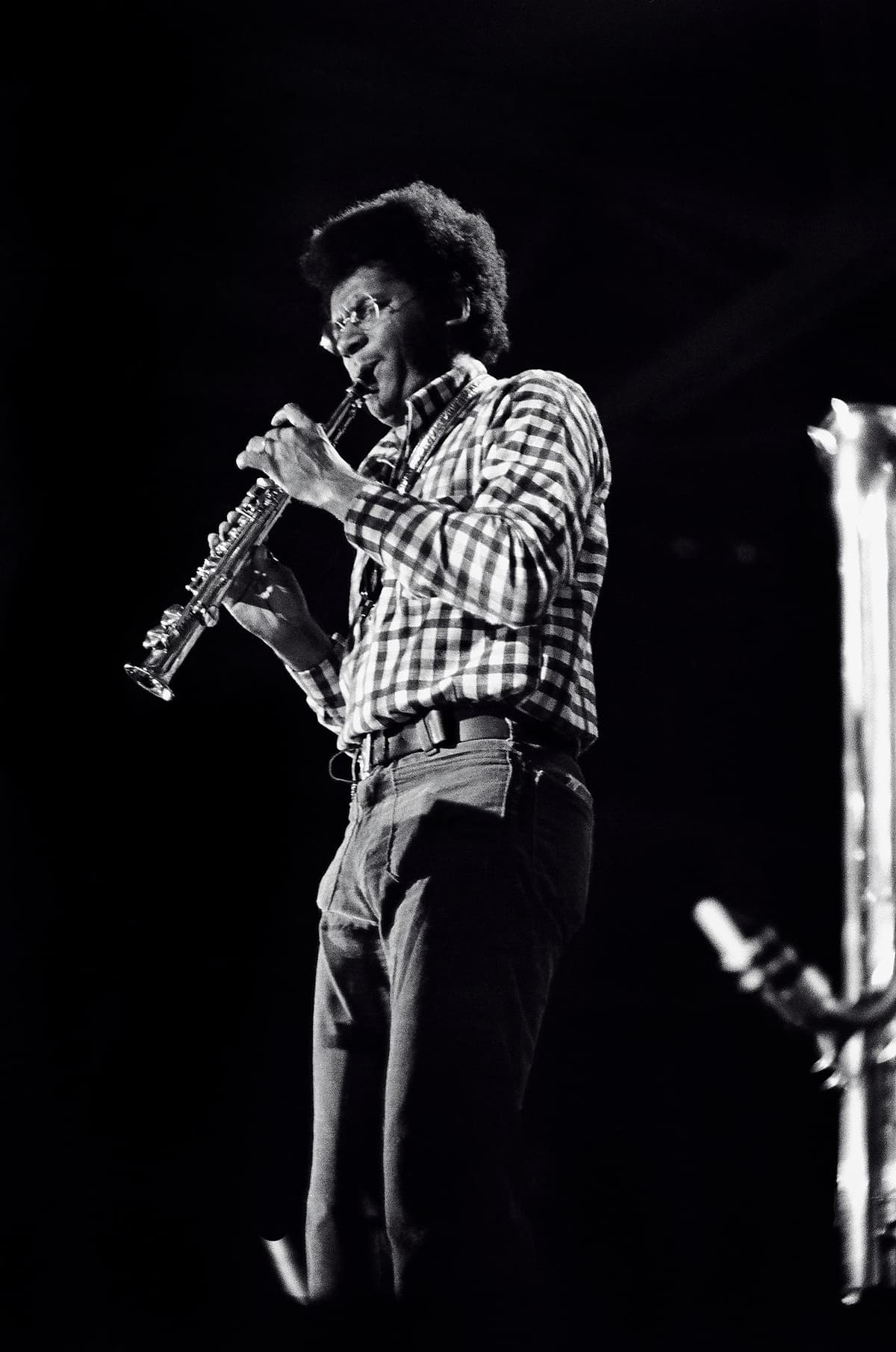
Anthony Braxton
Highly structural, cerebral woodwind explorations that treat improvisation as a rigorous mathematical science. Demanding, intricate, and deeply rewarding.
Highly structural, cerebral woodwind explorations that treat improvisation as a rigorous mathematical science. Demanding, intricate, and deeply rewarding.
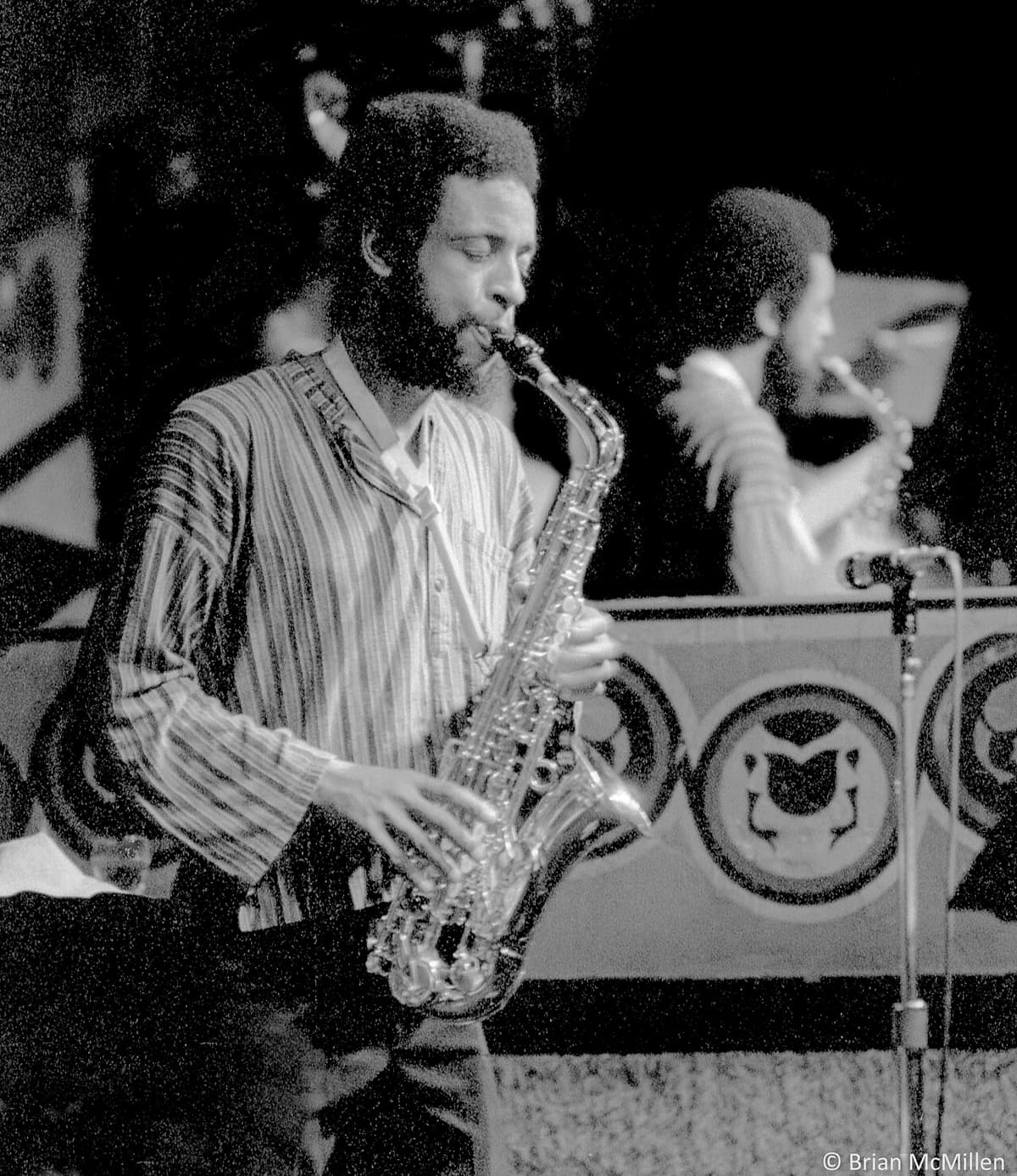
Anthony Braxton is a foundational figure in the Association for the Advancement of Creative Musicians (AACM) and a primary architect of what he terms 'Creative Music.' His sound identity is built on a synthesis of post-Parker bebop vocabulary and European serialist structures, often utilizing non-traditional notation and diagrammatic titles.
His career arc is defined by extreme prolificacy, moving from the groundbreaking solo saxophone work of 'For Alto' (1969) to massive orchestral cycles and operas. Culturally, he occupies a unique space as both a MacArthur 'Genius' and a polarizing figure who challenged the racialized expectations of what black musicians should compose. His influence web extends from the free jazz of Ornette Coleman to the game pieces of John Zorn. Critical consensus views him as one of the most important theorists in American music, though his work is often noted for its 'challenging' nature. For collectors, his discography is a labyrinthine map of over 100 releases across labels like Arista, HatHut, and Leo, often categorized by his own complex numbering system.
Shares avant-garde jazz, post-bop, modern classical, library (signature)
Cassette uses generative AI to enrich its catalog. How we use AI →