Celi Bee, born Celida Ines Camacho, represents a vital bridge between the New York disco explosion and the Latin American club circuit of the late 1970s. Her sound identity is rooted in the 'Miami Sound' and New York disco traditions, characterized by high-BPM arrangements, prominent horn sections, and soaring string charts orchestrated by her husband and collaborator, Pepe Luis Soto.
Her career arc peaked between 1977 and 1979, a period where she transitioned from the group-focused 'Celi Bee & The Buzzy Bunch' to a more distinct solo presence. Culturally, she holds a unique position as a crossover star who achieved significant chart success in the US while maintaining a legendary status in Venezuelan and Puerto Rican discotheques. Her influence can be heard in the subsequent freestyle movement of the 1980s, where the syncopated rhythms of her later work provided a blueprint for Latin dance-pop. Critical consensus views her as a top-tier disco diva whose production values often exceeded the genre's standard, making her a favorite among crate-diggers and disco purists today.


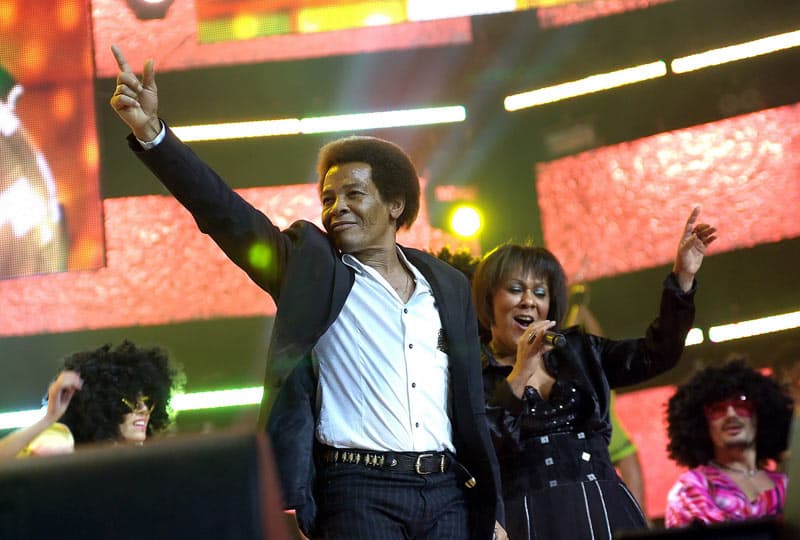
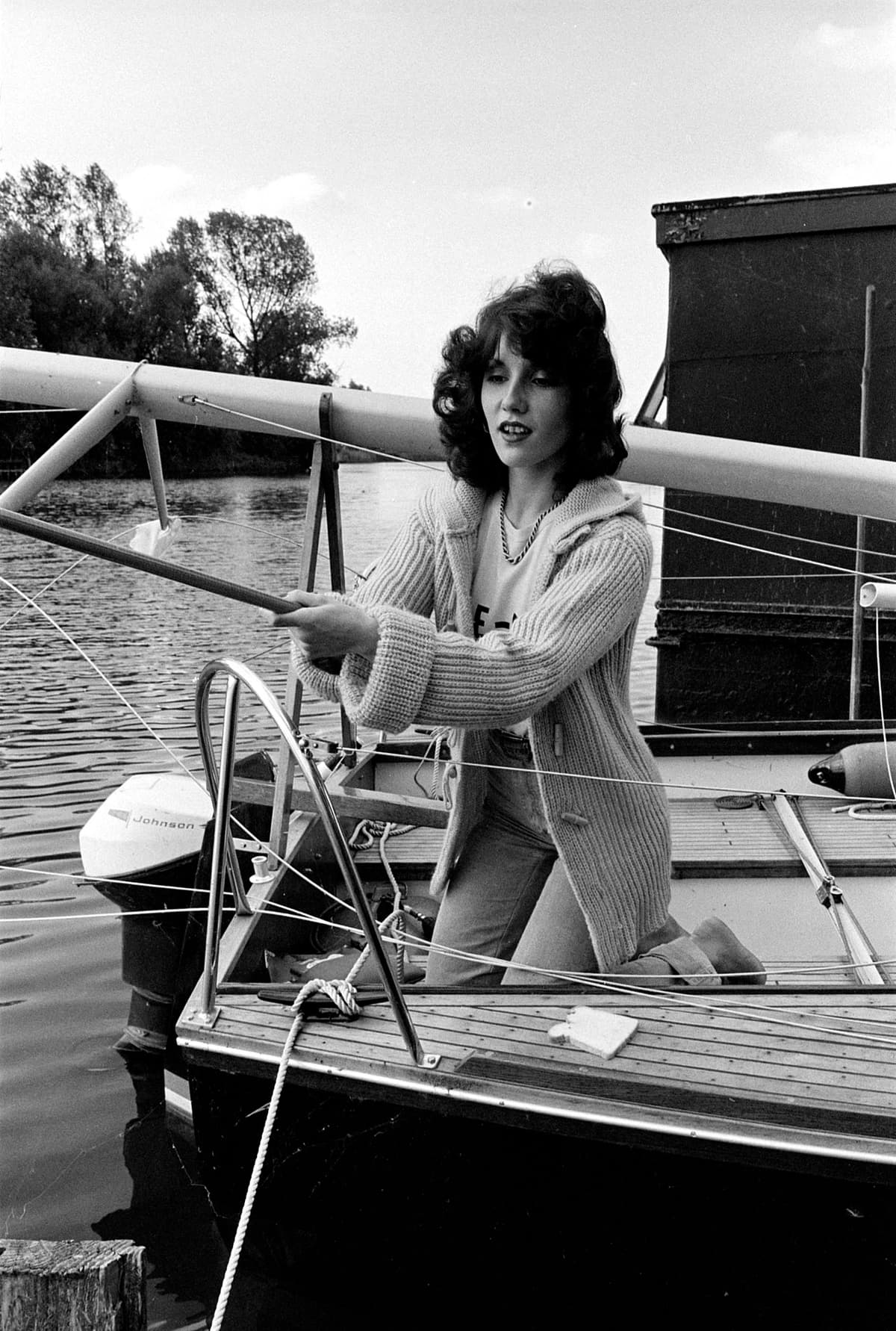
Shares euphoric, energetic, playful (moods); disco, funk, dance-pop (subgenres)
Shares euphoric, energetic, playful (moods); disco, eurodance, funk (subgenres)

Shares disco, dance-pop, eurodance (subgenres); urban_night, rooftop, festival (atmosphere)
Shares disco, funk, dance-pop (subgenres); studio_polished, orchestral_arrangement, analog_warmth (production style)
Shares disco, dance-pop, eurodance (subgenres); urban_night, rooftop, festival (atmosphere)
Shares euphoric, energetic, playful (moods); disco, eurodance, funk (subgenres)
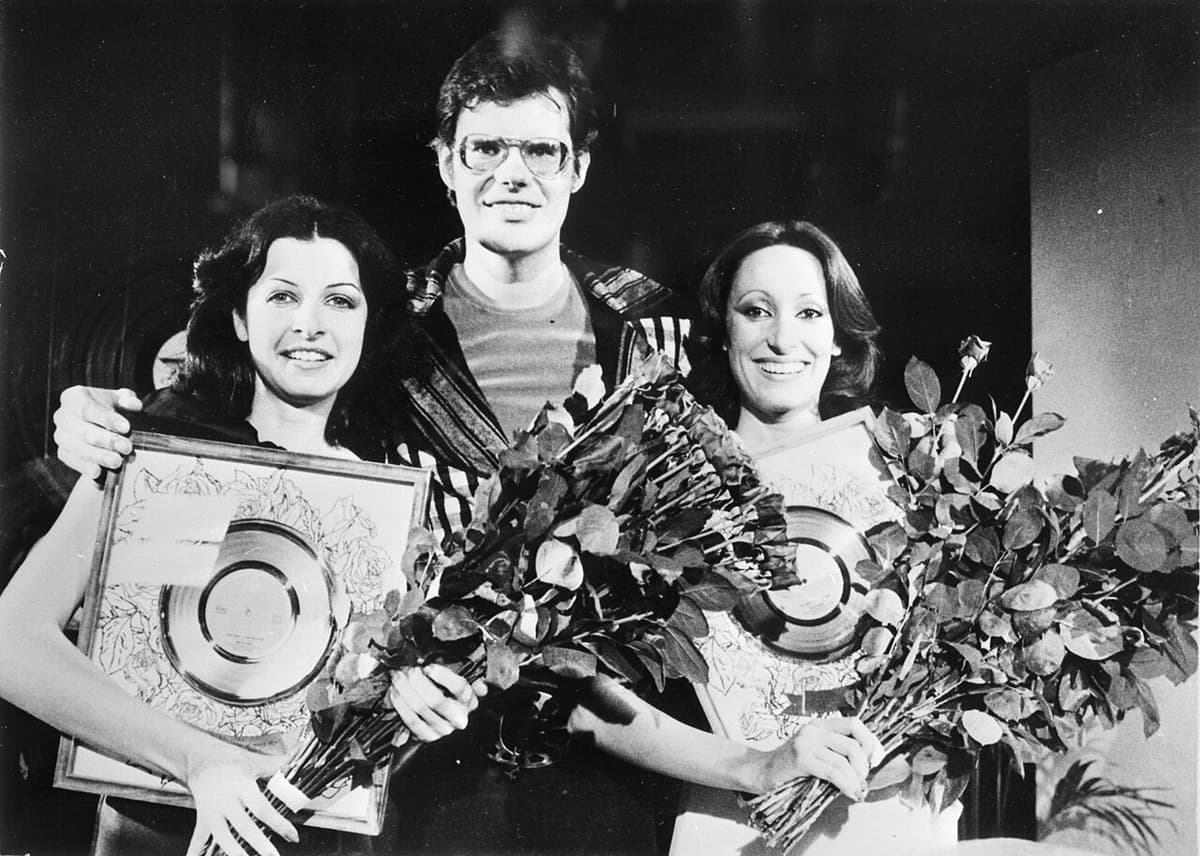
Shares disco, orchestral_arrangement, funk, euphoric (signature)
Cassette uses generative AI to enrich its catalog. How we use AI →