Camper Van Beethoven
Wry, violin-led indie rock that wanders through folk, ska, and psychedelia. Perfect for long drives and overthinking everything with a smirk.
Wry, violin-led indie rock that wanders through folk, ska, and psychedelia. Perfect for long drives and overthinking everything with a smirk.
Camper Van Beethoven sounds like a group of over-educated skaters who decided to start a band using whatever instruments were left in the music room. It is a glorious, messy collision of jangle-pop sensibilities, dry wit, and unexpected global influences. The music feels sun-bleached and slightly dusty, like a polaroid of a California beach town that has been left on a car dashboard for too long.
What truly sets them apart is the interplay between David Lowery’s deadpan, nasal delivery and Jonathan Segel’s hyperactive violin. They treat genres like a buffet, grabbing a bit of Eastern European folk here and a slice of third-wave ska there, all while maintaining a core of 80s college rock. Their irony is thick but never mean-spirited, often leaning into the surreal to describe the mundane reality of American life.
Start with 'Telephone Free Landslide Victory' to hear the raw, eclectic energy of their early years. It contains their most famous track, 'Take the Skinheads Bowling,' which perfectly encapsulates their ability to turn nonsensical hooks into anthems. From there, move to 'Our Beloved Revolutionary Sweetheart' to hear how they translated that weirdness into a bigger, major-label sound.
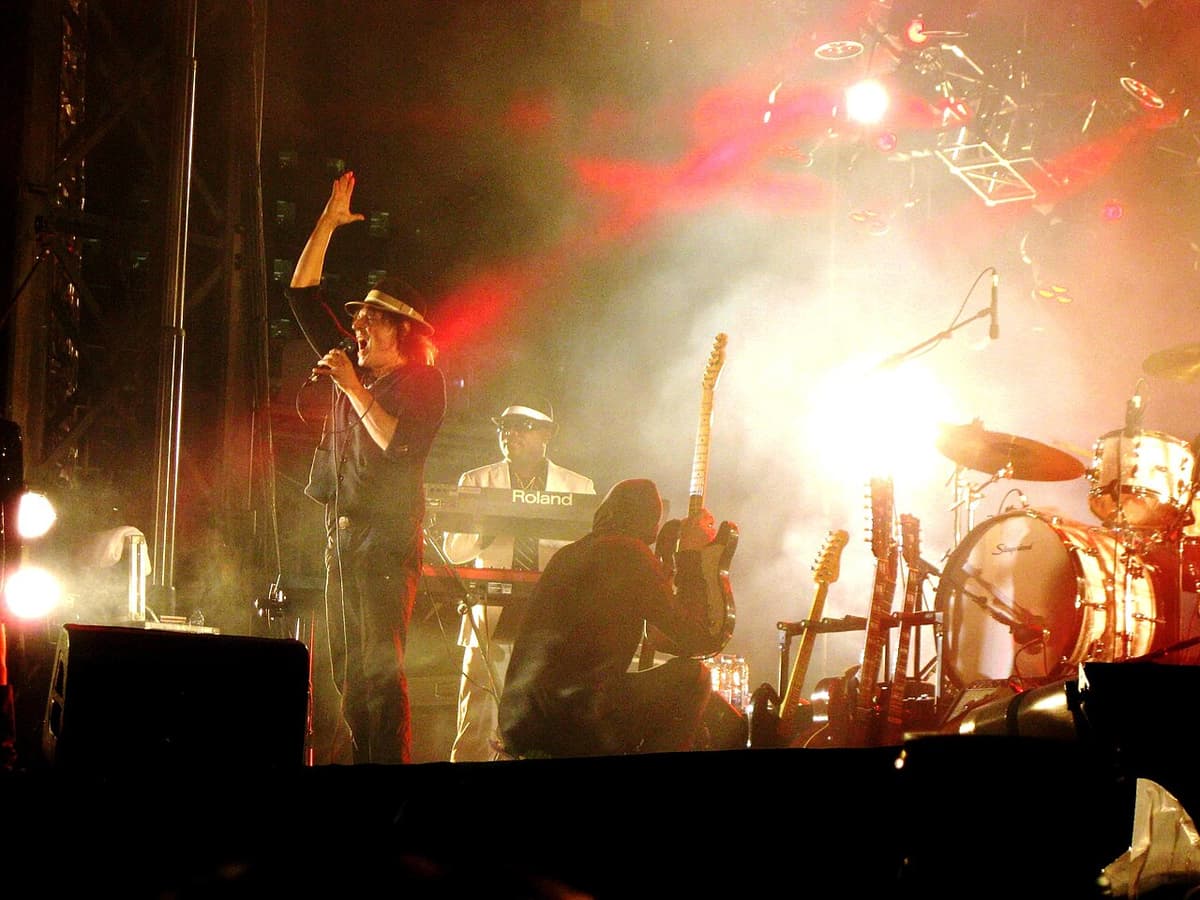
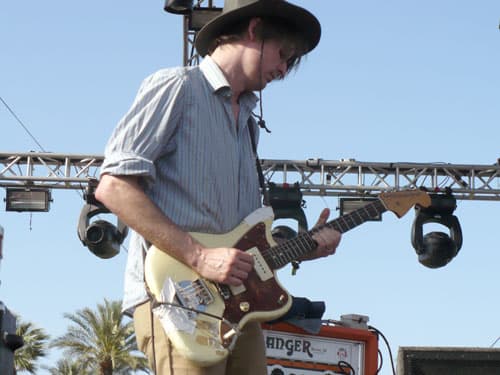
Camper Van Beethoven is an American rock band formed in Redlands, California, in 1983, later based in Santa Cruz and San Francisco. Their style mixes elements of pop, ska, punk, folk, alternative, country, and world music, among other genres. The band initially polarized audiences within the hardcore punk scene of California's Inland Empire and then found wider acceptance and, eventually, an international audience. Their strong iconoclasm and emphasis on do-it-yourself values proved influential to the burgeoning indie rock movement. The band's first three independent records were released within an 18-month period. Their debut single was "Take the Skinheads Bowling", a song with nonsensical lyrics that became an unexpected hit. The group signed to Virgin Records in 1987, released two albums and enjoyed chart success with their 1989 cover of Status Quo's "Pictures of Matchstick Men", a number one hit on Billboard Magazine's Modern Rock Tracks. They disbanded the following year due to internal tensions. Lead singer David Lowery formed Cracker, David Immerglück joined Counting Crows, and several other members played in Monks of Doom. Beginning in 1999, Camper Van Beethoven reunited and made several new records.
Shares lo fi, analog warmth, studio polished (production style); playful, wistful, bittersweet (moods)
Shares alternative rock, indie rock, folk rock (subgenres); lo fi, analog warmth, studio polished (production style)
Shares alternative rock, indie rock, psychedelic rock (subgenres); deadpan, nasal, narrating (vocal style)

Shares alternative rock, indie rock, folk rock (subgenres); lo fi, analog warmth, stripped back (production style)
Shares lo fi, analog warmth, stripped back (production style); indie rock, alternative rock (subgenres)
Shares alternative rock, indie rock, psychedelic rock (subgenres); lo fi, analog warmth, stripped back (production style)
Shares lo fi, analog warmth, stripped back (production style); alternative rock, indie rock (subgenres)
Shares lo fi, analog warmth, stripped back (production style); indie rock, alternative rock (subgenres)
Shares indie rock, alternative rock, folk rock (subgenres); lo fi, analog warmth, stripped back (production style)
Cassette uses generative AI to enrich its catalog. How we use AI →