Boom Crash Opera emerged from Melbourne in 1985, quickly becoming a cornerstone of the Australian 'Big Rock' era alongside peers like Midnight Oil and Hunters & Collectors. Founded by the songwriting duo of Richard Pleasance and Peter Farnan, the band distinguished themselves through a unique blend of commercial pop sensibility and art-rock experimentation.
Their debut self-titled album (1987) established their visual and sonic identity, but it was 1989's 'These Here Are Crazy Times' that cemented their legacy, achieving double platinum status and spawning five hit singles. The band's sound is characterized by Pleasance's inventive guitar textures and Peter Maslen's precise, high-energy drumming. Despite Pleasance's departure in 1992 due to tinnitus, the band continued to evolve, exploring more organic sounds on 'Fabulous Beast' before leaning into electronic influences in the mid-90s. They remain a vital part of the Australian musical canon, representing the transition from raw pub rock to sophisticated, globally-competitive pop production.



Shares studio_polished, compressed_loud, digital_clarity (production style); pop rock, alternative rock (subgenres)
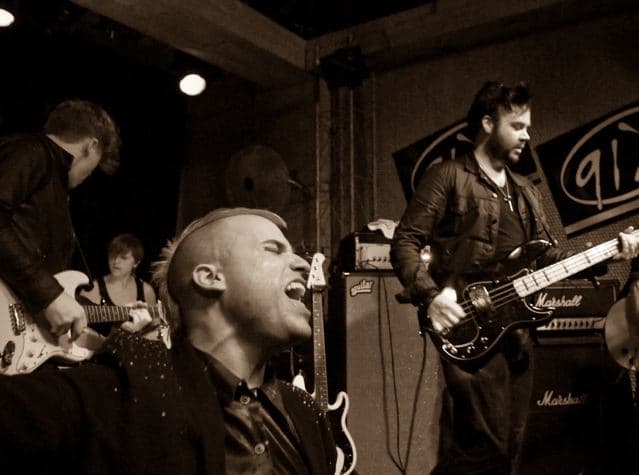
Shares pop rock, alternative rock, new wave (subgenres); studio_polished, maximalist, digital_clarity (production style)
Shares studio_polished, maximalist, compressed_loud (production style); confident, defiant, energetic (moods)
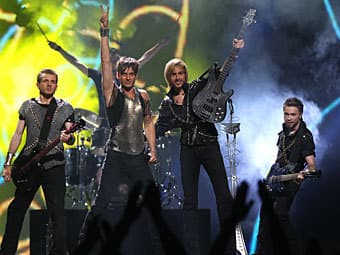
Shares studio_polished, maximalist, digital_clarity (production style); pop rock, alternative rock (subgenres)
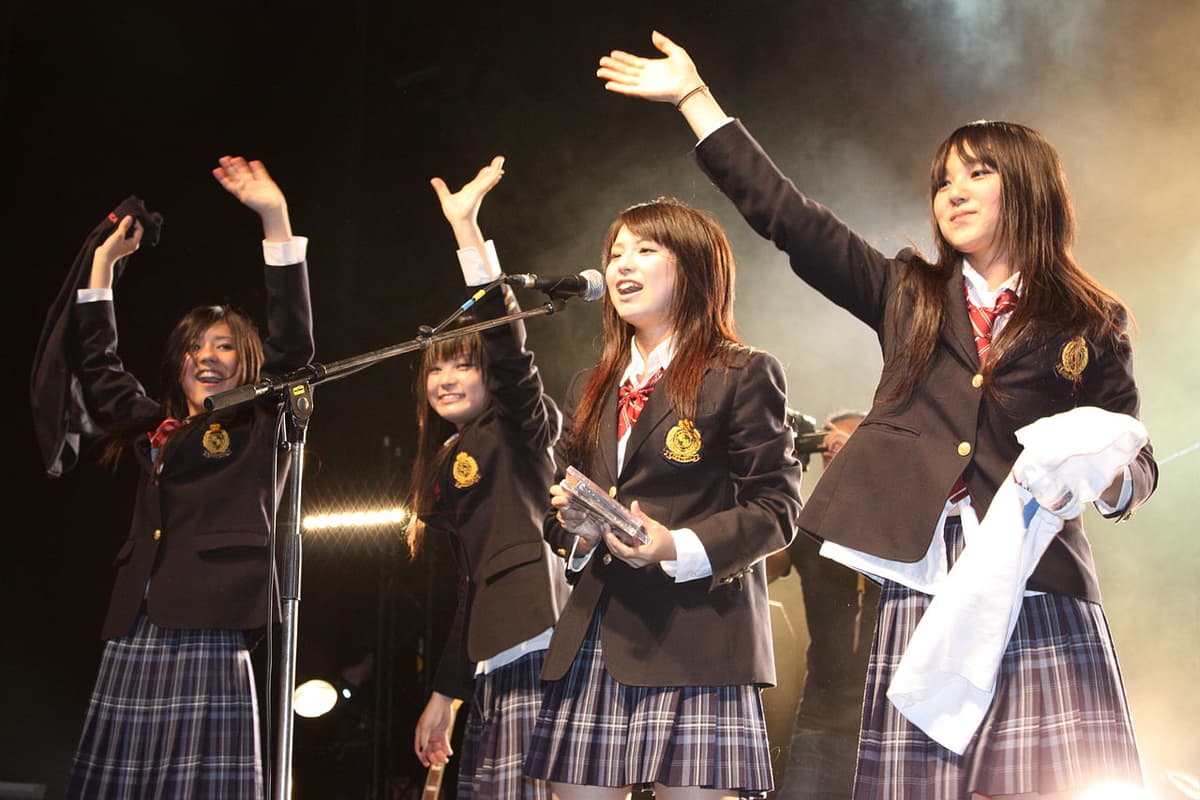

Shares studio_polished, maximalist, digital_clarity (production style); energetic, playful, confident (moods)

Shares pop rock, alternative rock, art rock (subgenres); urban_night, festival, dive_bar (atmosphere)
Shares energetic, confident, playful (moods); studio_polished, digital_clarity, compressed_loud (production style)
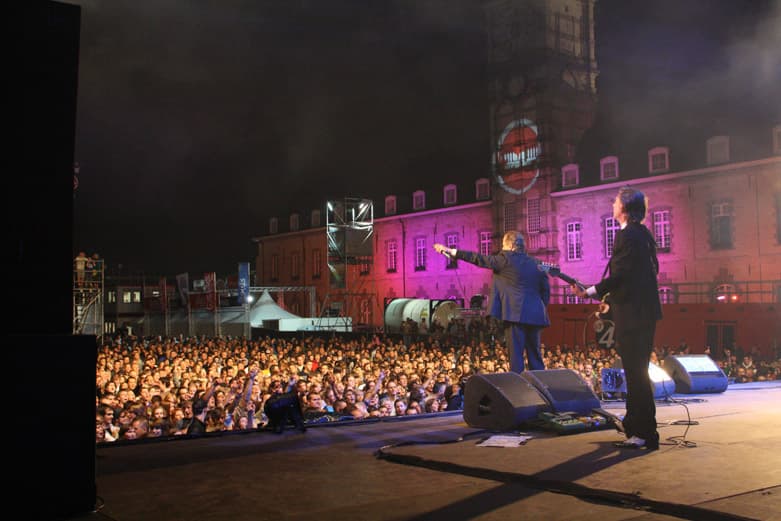
Cassette uses generative AI to enrich its catalog. How we use AI →