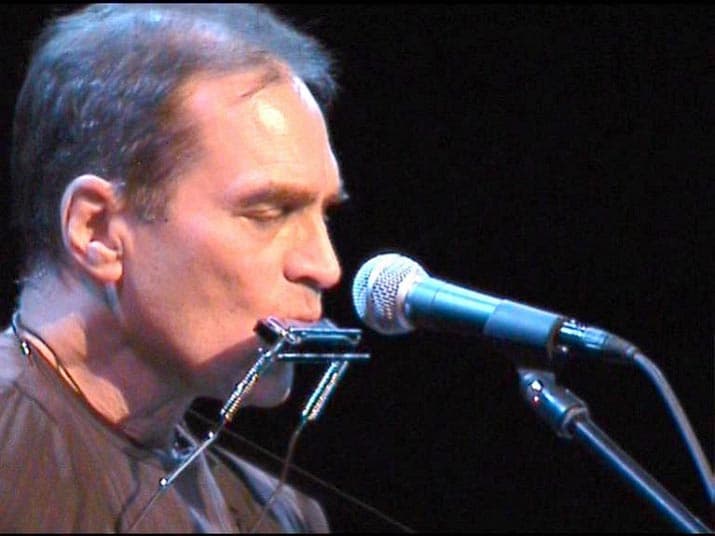
Bob Lind
Orchestral folk with a poetic heart. Lush 1960s arrangements meet a gentle, baritone delivery for moments of quiet, sun-dappled reflection.
Orchestral folk with a poetic heart. Lush 1960s arrangements meet a gentle, baritone delivery for moments of quiet, sun-dappled reflection.
Bob Lind occupies a unique space where the grit of the Greenwich Village folk scene meets the sophisticated sheen of 1960s Hollywood production. His music feels like a bridge between eras, combining the earnest, searching lyricism of a troubadour with the sweeping, cinematic arrangements of Jack Nitzsche. It is music that sounds both intimate and grand, like a private confession delivered from a stage draped in velvet.
What truly distinguishes Lind is his use of language. While his contemporaries were often literal or political, Lind leaned into a surreal, metaphorical style that felt more like poetry than protest. His voice, a warm and steady baritone, provides a grounding force against the soaring strings and baroque flourishes that define his most famous work. There is a persistent sense of 'sunshine noir' here, a brightness that hides a deep, contemplative melancholy.
To understand his impact, start with his 1966 debut. It captures that lightning-in-a-bottle moment when folk rock was discovering its own elegance. For those who prefer a more weathered, rootsy perspective, his later comeback albums offer a fascinating look at a songwriter who never lost his sharp eye for detail or his ability to craft a haunting melody.
Robert Neale Lind (born November 25, 1942) is an American playwright, novelist, and singer-songwriter who helped define the 1960s folk rock movement in the U.S. and UK. Lind is well known for his transatlantic hit record, "Elusive Butterfly", which reached number 5 on both the US and UK charts in 1966. Many musicians have recorded songs by Lind, who continues to write, record and perform.
Cassette uses generative AI to enrich its catalog. How we use AI →