Athena delivers a quintessentially Italian brand of power metal that feels like a high-speed chase through a baroque cathedral. The sound is defined by its bright, polished production and a constant interplay between shredding guitar leads and shimmering synthesizer textures. It is music that aims for the rafters, characterized by an unapologetic sense of drama and technical proficiency that never sacrifices a catchy, anthemic hook.
What truly sets them apart, particularly on their landmark 1998 release, is the vocal presence. The singing is athletic and theatrical, often reaching into a glass-shattering high register that provides a melodic counterpoint to the dense, galloping rhythm section. The arrangements are busy but purposeful, blending the speed of traditional power metal with the structural complexity of progressive rock.
Start with the album A New Religion? to hear the band at their creative zenith. It captures a specific moment in the late 90s when the Italian metal scene was perfecting a blend of neoclassical elegance and aggressive speed. It is the ideal entry point for anyone who appreciates technical musicianship paired with soaring, emotional storytelling.


Shares philosophical concept narratives, theatrical vocal phrasing, progressive metal, power metal (detail)
Shares operatic, progressive metal, power metal, symphonic metal (signature)
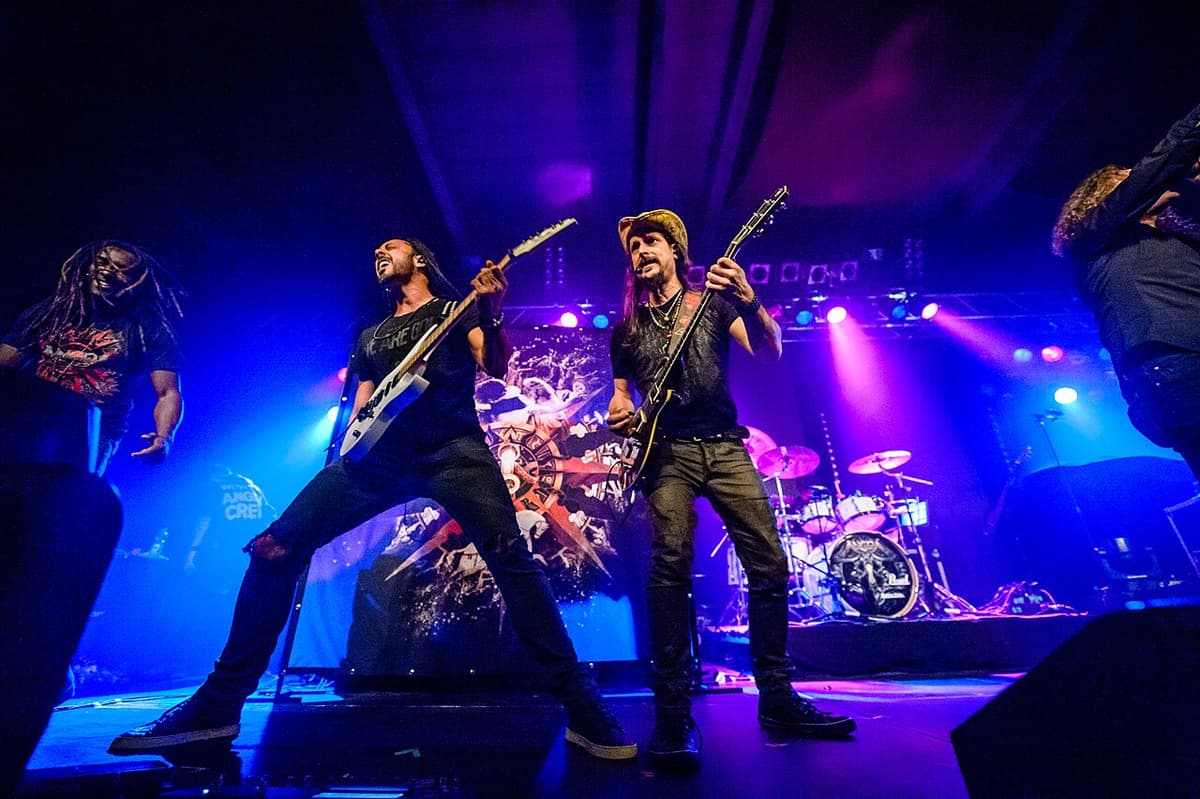
Shares progressive metal, power metal, symphonic metal, operatic (signature)
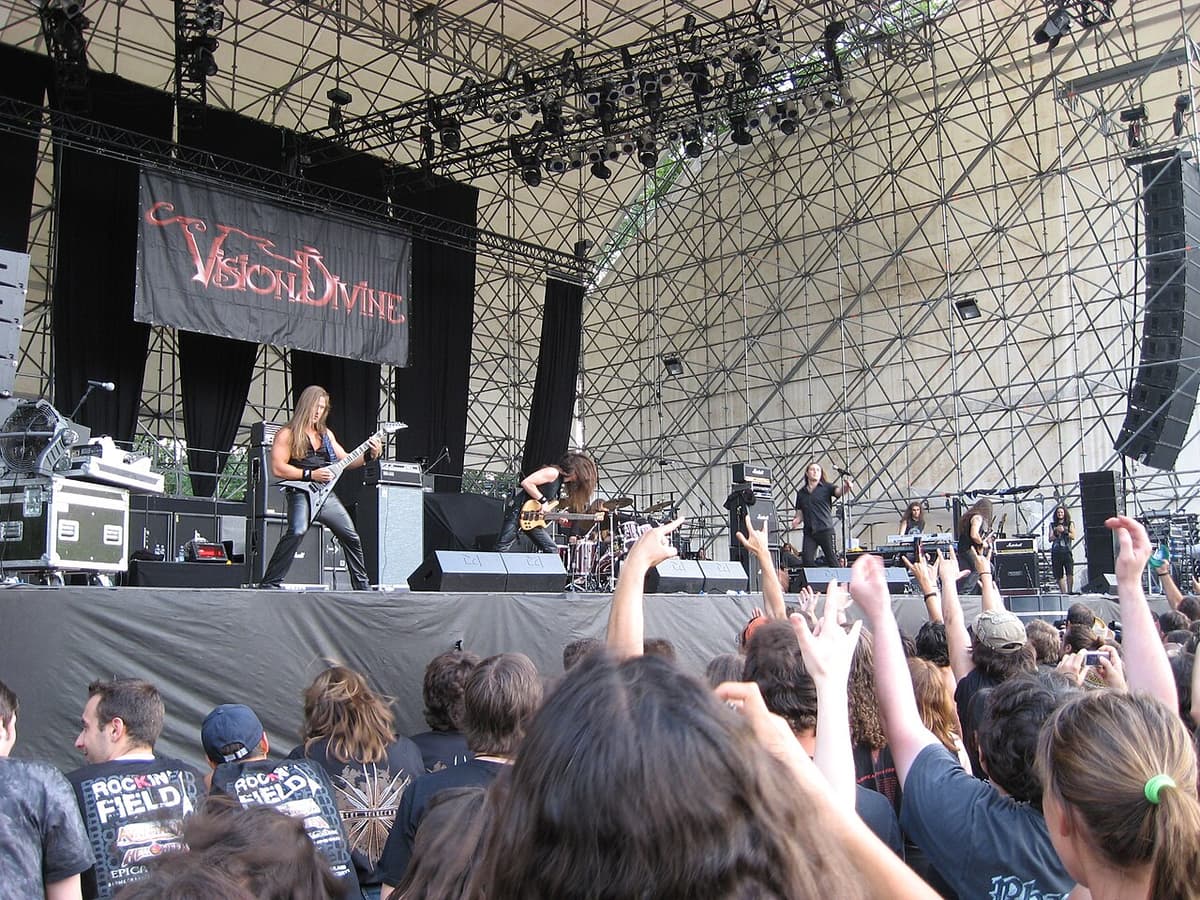
Shares progressive metal, power metal, symphonic metal, keys/synth (signature)
Shares neoclassical synth flourishes, progressive metal, power metal, symphonic metal (detail)
Shares operatic, progressive metal, symphonic metal, keys/synth (signature)
Shares operatic, progressive metal, power metal, keys/synth (signature)
Shares operatic, progressive metal, power metal, symphonic metal (signature)
Cassette uses generative AI to enrich its catalog. How we use AI →