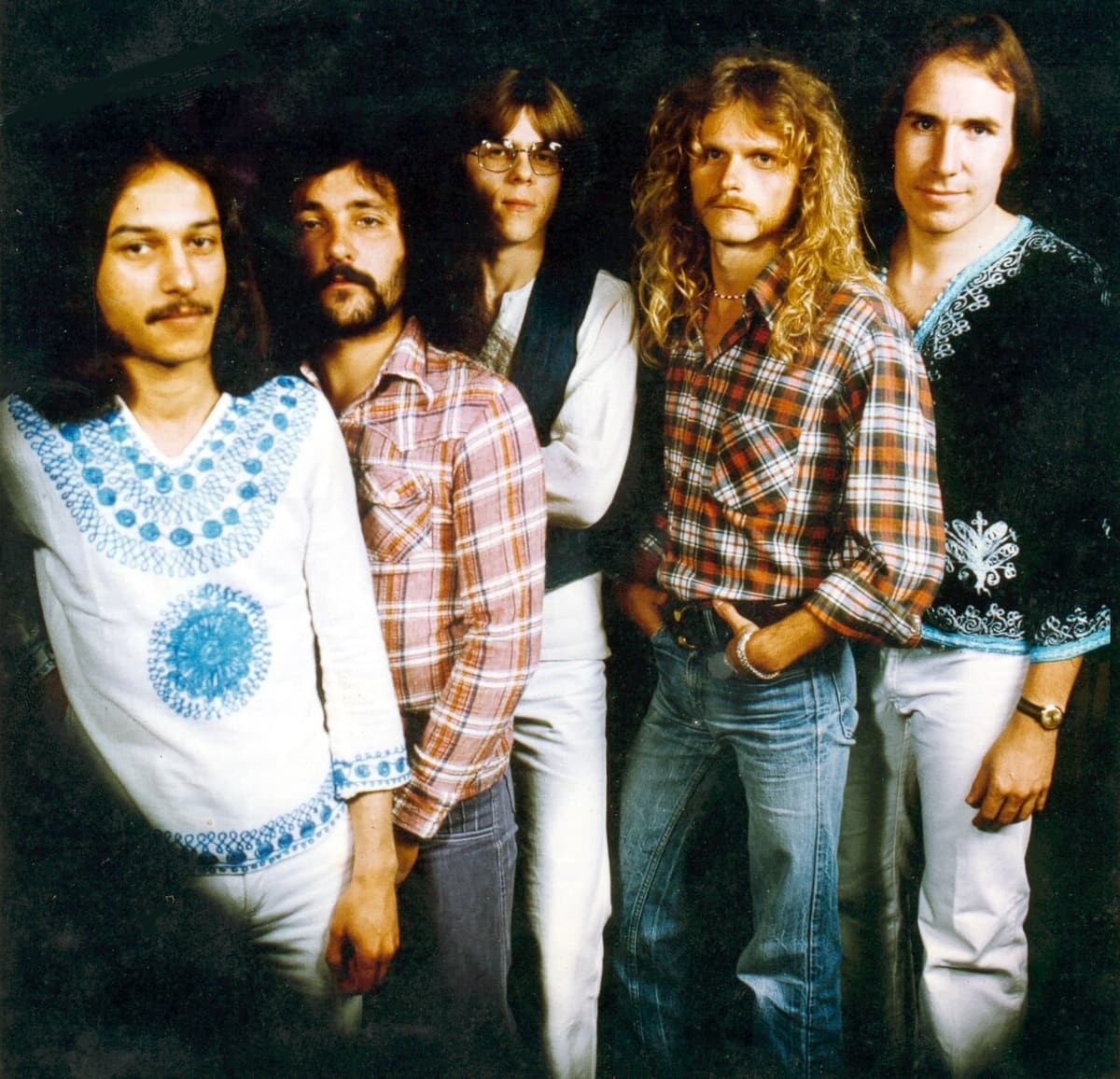
Alan Parsons
Immaculately engineered art rock that feels like a high-definition view of the stars. Pristine synths and cinematic arrangements for deep, focused listening.
Immaculately engineered art rock that feels like a high-definition view of the stars. Pristine synths and cinematic arrangements for deep, focused listening.
Listening to Alan Parsons is like stepping into a perfectly calibrated laboratory of sound where every frequency has been polished to a mirror shine. It is the sound of high-fidelity luxury, characterized by wide-screen stereo imaging, lush synthesizer pads, and a rhythmic precision that feels almost architectural. While it shares DNA with the grandiosity of progressive rock, there is a smooth, pop-adjacent accessibility that keeps the music grounded and melodic.
What truly sets this music apart is the 'engineer-as-auteur' approach. Having worked on the most iconic albums of the 20th century, Parsons treats the studio itself as the primary instrument. You will notice a distinct lack of sonic clutter; even when an orchestra and a rock band are playing simultaneously, every note is legible. This clarity creates a sense of intellectual calm, making the music feel both futuristic and timelessly sophisticated.
For those new to his world, start with the classic conceptual works that bridge the gap between 70s prog and 80s synth-pop. It is the ideal soundtrack for moments that require focus or a sense of awe, working equally well as a deep-listening experience or as a backdrop for a late-night drive through a neon-lit city.
Alan Parsons (born 20 December 1948) is an English audio engineer, songwriter, musician, singer and record producer. Parsons was the sound engineer on albums including the Beatles' Abbey Road (1969) and Let It Be (1970), Pink Floyd's Dark Side of the Moon (1973), and the eponymous debut album by Ambrosia in 1975. Parsons's own group, The Alan Parsons Project, as well as his subsequent solo recordings, have also been commercially successful. He has been nominated for 13 Grammy Awards, with his first win occurring in 2019 for Best Immersive Audio Album for Eye in the Sky (35th Anniversary Edition).
Shares hi fi, studio polished, layered dense (production style); progressive rock, art rock, soft rock (subgenres)
Shares contemplative, mysterious, triumphant (moods); progressive rock, art rock (subgenres)
Shares hi fi, layered dense, analog warmth (production style); contemplative, mysterious, triumphant (moods)
Shares progressive rock, art rock, pop rock (subgenres); focused work, stargazing, urban night (atmosphere)
Shares progressive rock, soft rock, art rock (subgenres); hi fi, analog warmth, layered dense (production style)
Shares contemplative, mysterious, nostalgic (moods); progressive rock, art rock (subgenres)
Shares progressive rock, art rock (subgenres); studio polished, layered dense, hi fi (production style)
Shares studio polished, hi fi, layered dense (production style); triumphant, contemplative, nostalgic (moods)
Shares progressive rock, art rock, pop rock (subgenres); orchestral arrangement, studio polished, layered dense (production style)
Shares stargazing, art rock, progressive rock, triumphant (signature)
Shares hi fi, soft rock, progressive rock, pop rock (signature)
Cassette uses generative AI to enrich its catalog. How we use AI →