Yothu Yindi
Ancient Yolngu traditions meet 90s stadium rock. Pulsing didgeridoo, sharp clapstick rhythms, and defiant anthems that demand justice while making you move.
Ancient Yolngu traditions meet 90s stadium rock. Pulsing didgeridoo, sharp clapstick rhythms, and defiant anthems that demand justice while making you move.
Yothu Yindi sounds like a bridge built across time and culture. At its core is the deep, resonant drone of the yidaki (didgeridoo) and the sharp, rhythmic crack of bilma (clapsticks), providing a foundation that feels thousands of years old. Layered on top of this are the familiar textures of 1990s rock and pop: driving basslines, shimmering synthesizers, and electric guitars that range from funky scratches to soaring leads. The vocals are a powerful blend of traditional Yolngu manikay (song cycles) and contemporary English-language songwriting, creating a sound that is both deeply rooted in Arnhem Land and ready for global airwaves.
What makes them truly distinctive is their ability to use the language of pop music as a vessel for profound political and spiritual messages. They don't just 'blend' genres; they create a dialogue between the ancient and the modern. The way the yidaki interacts with a drum machine or a rock kit creates a unique rhythmic tension that feels both grounded and propulsive. It is music that demands your attention, not just for its infectious grooves, but for the weight of the stories and the urgency of the calls for social change that it carries.
Start with the 'Filthy Lucre' remix of 'Treaty' to hear how they conquered the dance floors with a message of political sovereignty. From there, move to the album 'Homeland Movement' to explore the deeper, more traditional roots of their sound. It is the perfect starting point for anyone wanting to understand the intersection of Australian Indigenous culture and contemporary global music, offering a listening experience that is as educational as it is exhilarating.
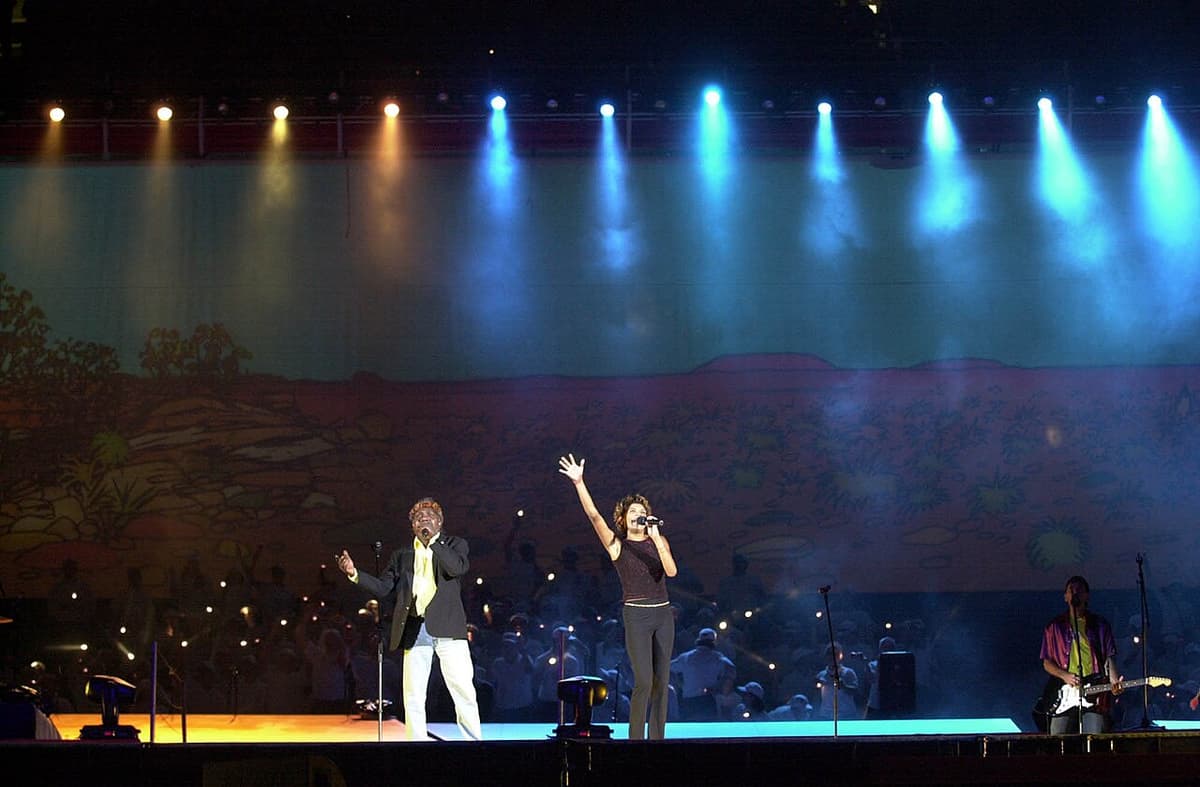
Yothu Yindi (Yolngu for "child and mother", pronounced , natively [ju:t̪u jindi]) are an Australian musical group with Aboriginal and non-Aboriginal members, formed in 1986 as a merger of two bands formed in 1985 – a white rock group called the Swamp Jockeys (Todd Williams, Michael Wyatt, Cal Williams, Stuart Kellaway, Andrew Bellety), and an unnamed Aboriginal folk group consisting of Mandawuy Yunupingu, Witiyana Marika, and Milkayngu Mununggur. The Aboriginal members came from Yolngu homelands near Yirrkala on the Gove Peninsula in Northern Territory's Arnhem Land. Founding members included Stuart Kellaway on bass guitar, Cal Williams on lead guitar, Andrew Belletty on drums, Witiyana Marika on manikay (traditional vocals), bilma (ironwood clapsticks) and dance, Milkayngu Mununggurr on yidaki, Geoffrey Gurrumul Yunupingu on keyboards, guitar, and percussion, past lead singer Mandawuy Yunupingu and present Yirrnga Yunupingu on vocals and guitar. The band combines aspects of both musical cultures. Their sound varies from traditional Aboriginal songs to modern pop and rock songs, where they blended the typical instruments associated with pop/rock bands, such as guitars and drums, with the traditional yidaki (didgeridoo) and bilma (clap stick). They adapted traditional Yolngu dance performances to accompany their music. More broadly, they promoted mutual respect and understanding in the coming together of different cultures. Yothu Yindi's most widely known song, "Treaty", peaked at No. 11 on the ARIA singles charts in 1991 and the related album Tribal Voice peaked at No. 4 on the ARIA albums charts. The group established the Yothu Yindi Foundation in 1990 to promote Yolngu cultural development, including from 1999 producing the annual Garma Festival of Traditional Cultures and from May 2007 running the Dilthan Yolngunha (meaning "Healing Place"). Chairman of the foundation was Galarrwuy Yunupingu. He was Mandawuy's older brother, a Yolngu clan leader and sometimes a member of Yothu Yindi on bilma and guitar. Galarrwuy had been named Australian of the Year in 1978 for his work for Aboriginal communities and Mandawuy was Australian of the Year for 1992 for his work with Yothu Yindi. In December 2012, the Australian Recording Industry Association (ARIA) inducted the band into the ARIA Hall of Fame, as part of the ARIA Music Awards of 2012. In 2023, the band were inducted into the National Indigenous Music Awards Hall of Fame.
Shares alternative rock, folk rock (subgenres); chanting, intense, harmonized (vocal style)
Shares live recording, studio polished, analog warmth (production style); alternative rock, folk rock (subgenres)
Shares live recording, studio polished, analog warmth (production style); alternative rock, folk rock (subgenres)
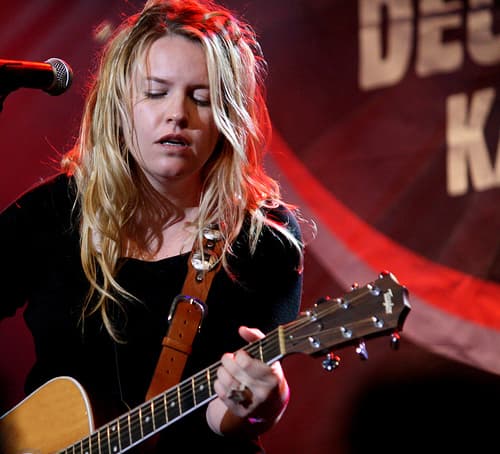
Shares live recording, studio polished, analog warmth (production style); alternative rock, folk rock (subgenres)
Shares alternative rock, folk rock (subgenres); live recording, studio polished, analog warmth (production style)
Shares alternative rock, folk rock (subgenres); live recording, analog warmth, studio polished (production style)
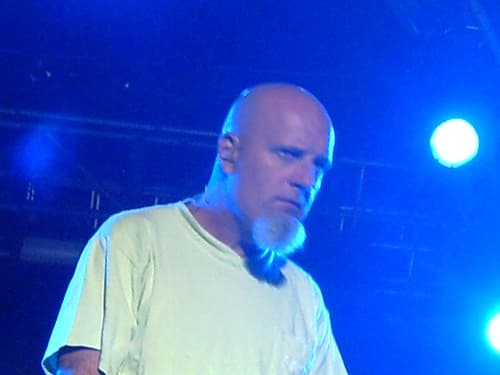
Shares live recording, analog warmth, studio polished (production style); alternative rock, folk rock (subgenres)
Shares live recording, studio polished, analog warmth (production style); alternative rock, folk rock (subgenres)
Shares folk rock, bonfire, chanting, alternative rock (subgenre)
Shares didgeridoo, open field, folk rock, bonfire (signature)
Cassette uses generative AI to enrich its catalog. How we use AI →