Van Dyke Parks
Orchestral pop that feels like a technicolor dream of old America. Dense, witty, and deeply cinematic arrangements for the musically curious.
Orchestral pop that feels like a technicolor dream of old America. Dense, witty, and deeply cinematic arrangements for the musically curious.
Van Dyke Parks creates music that sounds like a meticulously restored film from an alternate timeline. It is a lush, maximalist collision of classical sophistication and pop accessibility, where every corner of the stereo field is occupied by a marimba, a harp, or a sudden swell of strings. The experience is less like listening to a song and more like wandering through a curated gallery of American iconography, where the colors are slightly too bright and the perspective is delightfully skewed.
What truly distinguishes Parks is his role as a sonic architect. He doesn't just write melodies; he builds environments using complex counterpoint and free-associative lyrics that reward repeated, close listening. His fascination with Caribbean rhythms, particularly calypso, adds a rhythmic bounce that prevents his orchestral ambitions from ever feeling stiff or academic. It is the sound of a brilliant mind playing with the entire history of recorded sound as if it were a toy box.
Newcomers should start with the 1967 masterpiece 'Song Cycle'. It is a challenging, rewarding journey that redefined what was possible in a recording studio. From there, 'Discover America' offers a more rhythmic, steel-drum-infused exploration of cultural identity that remains one of the most unique entries in the American songbook.
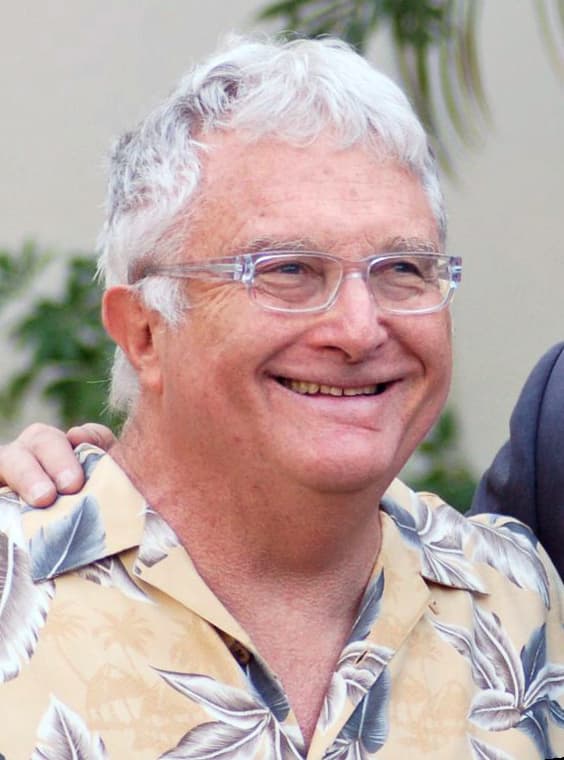
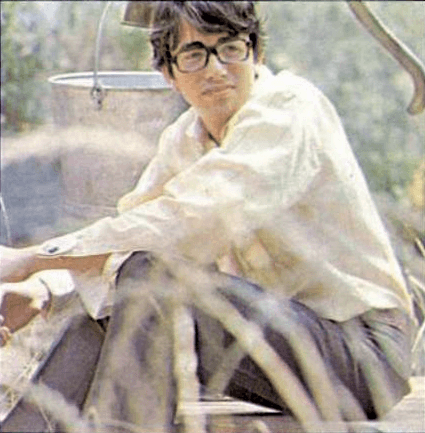
Van Dyke Parks (born January 3, 1943) is an American musician, songwriter, arranger, record producer, and former Warner Bros. Records executive whose work encompasses orchestral pop, elaborate recording experiments, Americana iconography, free-associative lyrics, and Caribbean sounds. He is best known for his 1967 album Song Cycle and his collaborative work with acts such as the Beach Boys, Lowell George, and Harry Nilsson, as well as various film and television scores. Born in Hattiesburg, Mississippi, Parks toured nationally with the American Boychoir School in Princeton, New Jersey and concurrently pursued child acting roles in television and theater productions. After relocating to California in 1963, he performed folk music with his brother Carson along the West Coast and contributed arrangements to Disney film soundtracks, including "The Bare Necessities" for The Jungle Book (1967). By the mid-1960s, he was an active session musician in Laurel Canyon, working with artists such as Tim Buckley, Judy Collins, and the Byrds before collaborating with Brian Wilson on the Beach Boys' Smile, later completed in 2004 as Wilson's solo album. In 1966, Parks joined Warner Bros. through producer Lenny Waronker, with whom he collaborated on numerous albums, including those by Harpers Bizarre, Randy Newman, Arlo Guthrie, and Ry Cooder, and formed part of a creative circle at the label. One of the most expensive LPs ever produced at the time, Song Cycle achieved critical acclaim and influenced the 1970s singer-songwriter movement despite poor sales. He transitioned to an executive role at Warner Bros., where he spearheaded the first ever label division centered on promotional films for artists. Influenced by the 1969 Santa Barbara oil spill, he also pursued Caribbean musical traditions, including calypso and steel pan, in projects such as his album Discover America (1971), productions for Mighty Sparrow and the Esso Trinidad Steel Band, and Nilsson's mid-1970s recordings. After the late 1970s, Parks focused on composing for film and television, contributing to works including Popeye (with Nilsson, 1980), Follow That Bird (1985), and The Brave Little Toaster (1987). He authored a trilogy of children's books based on his 1984 album Jump!, a musical adaptation of Br'er Rabbit folktales. He has remained active as a collaborator and arranger, working with artists such as Rufus Wainwright, Silverchair, and Joanna Newsom, while releasing three additional studio albums: Tokyo Rose (1989), Orange Crate Art (with Wilson, 1995), and Songs Cycled (2013).
Shares orchestral arrangement, studio polished, analog warmth (production style); playful, wistful, nostalgic (moods)
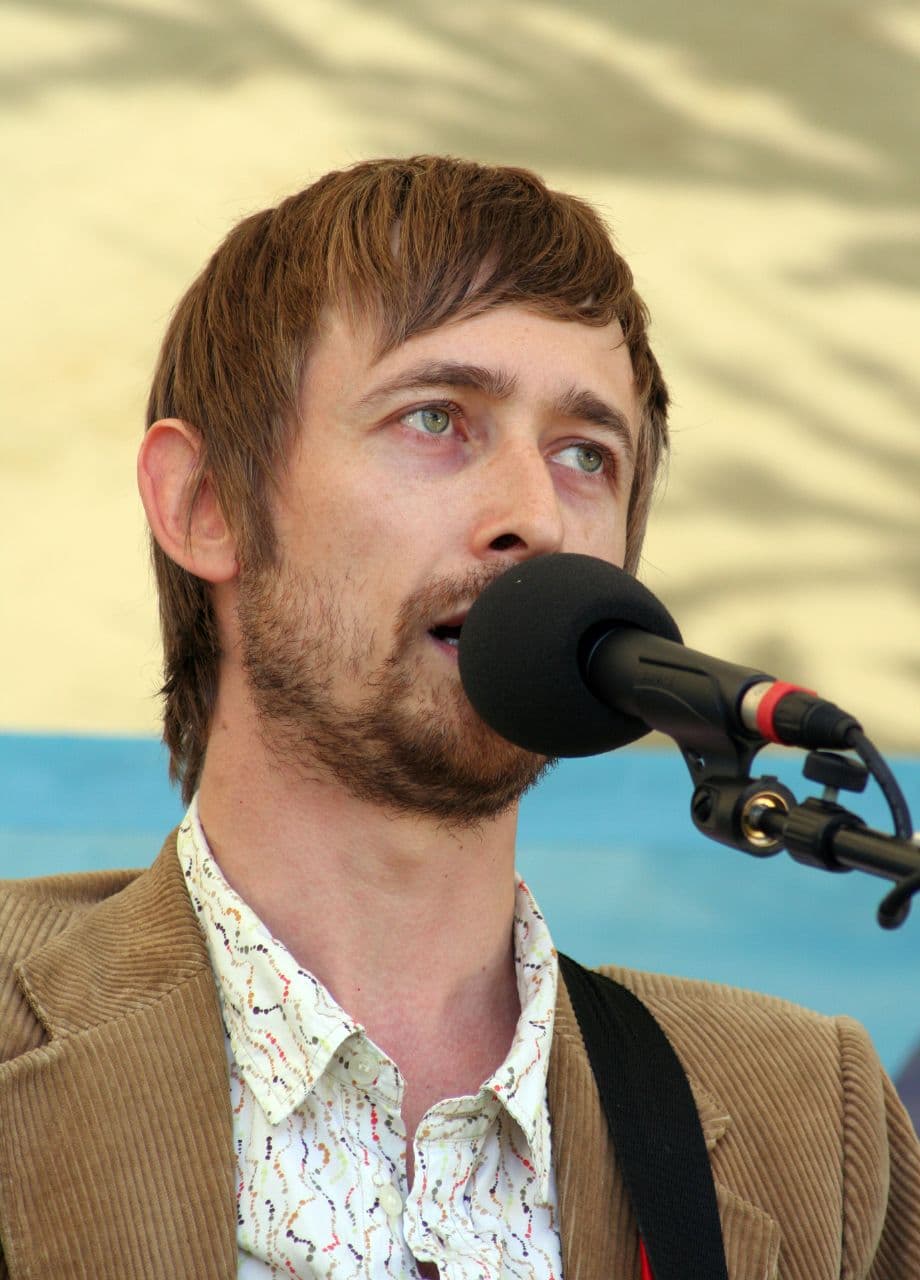
Shares baroque pop, art pop, orchestral (subgenres); orchestral arrangement, studio polished, maximalist (production style)
Shares art pop, baroque pop, psychedelic rock (subgenres); orchestral arrangement, analog warmth, maximalist (production style)
Shares mysterious, playful, wistful (moods); orchestral arrangement, studio polished, analog warmth (production style)
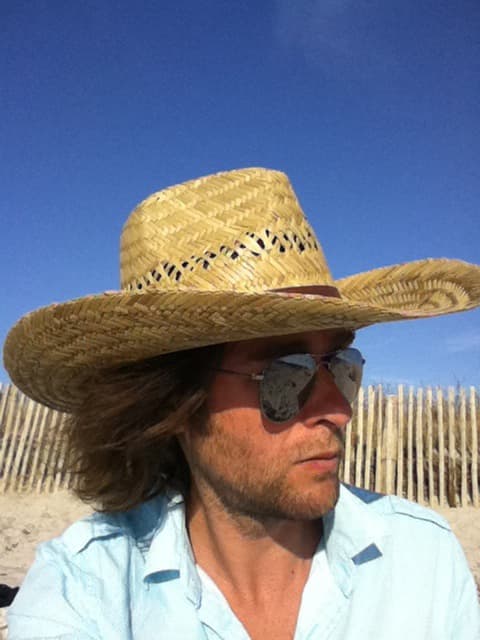
Shares mysterious, playful, wistful (moods); orchestral arrangement, studio polished, analog warmth (production style)
Shares baroque pop, psychedelic rock, art pop (subgenres); playful, wistful, nostalgic (moods)
Shares orchestral arrangement, maximalist, studio polished (production style); playful, wistful, nostalgic (moods)
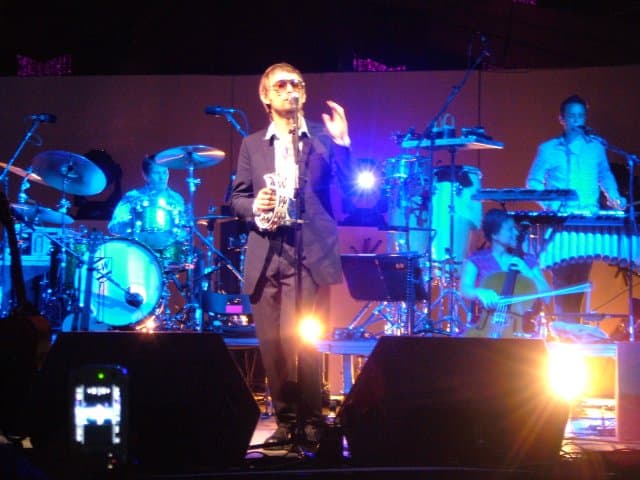
Shares orchestral arrangement, studio polished, maximalist (production style); baroque pop, art pop (subgenres)
Shares playful, wistful, nostalgic (moods); analog warmth, orchestral arrangement, studio polished (production style)
Cassette uses generative AI to enrich its catalog. How we use AI →