モーニング娘。
High-octane J-pop with funky basslines and massive group harmonies. The sound of a neon-lit Tokyo night where every chorus feels like a victory lap.
High-octane J-pop with funky basslines and massive group harmonies. The sound of a neon-lit Tokyo night where every chorus feels like a victory lap.
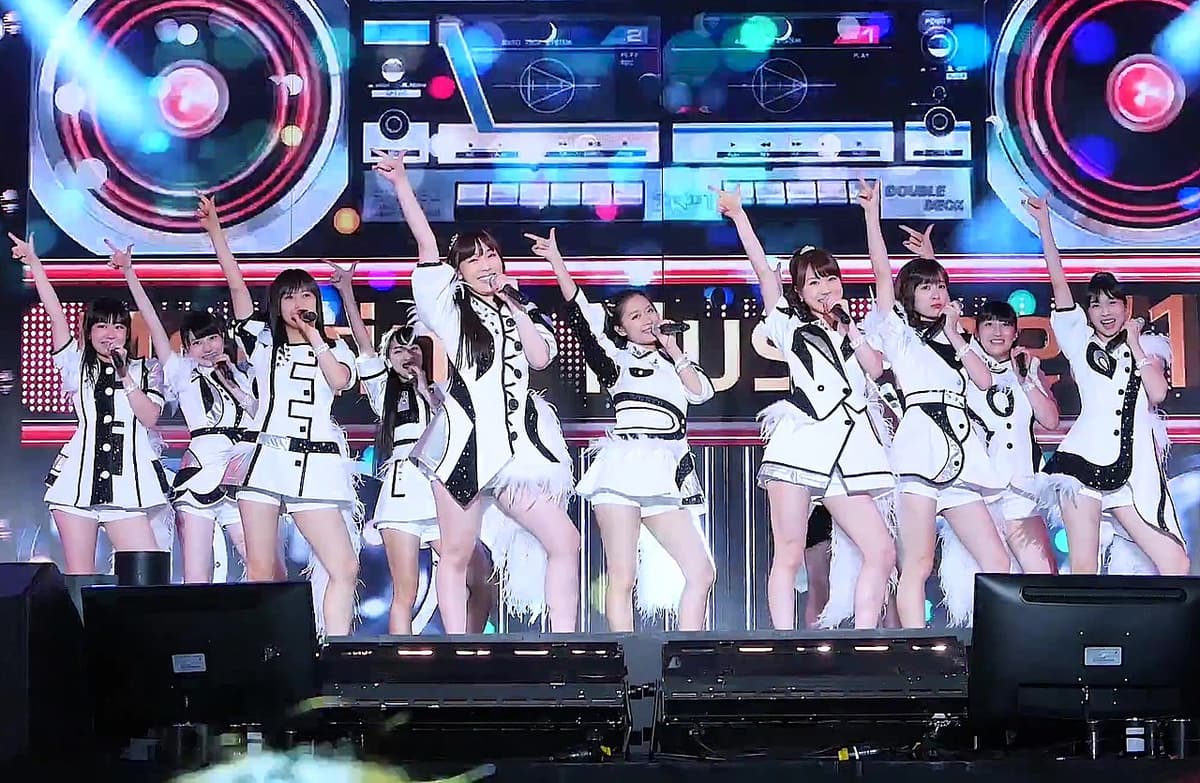
Morning Musume is the definitive sound of the Japanese idol revival, characterized by a relentless, maximalist energy that refuses to let the listener stand still. Their music is a kaleidoscopic blend of disco-funk, synth-pop, and high-gloss dance music, often featuring dense vocal arrangements where a dozen voices merge into a single, powerful force. It is music that feels like a celebration of collective effort, defined by its sharp production and infectious, earworm melodies.
What truly distinguishes them is the 'Tsunku-ism' production style: a unique focus on syncopated rhythms, 16-beat funk sensibilities, and a specific type of emotional sincerity that ranges from bubblegum sweetness to dramatic, minor-key intensity. The group's rotating membership creates a living history, where the sound evolves from the soulful pop of the late 90s to the complex, EDM-heavy 'formational dance' era of the 2010s, all while maintaining a core of rhythmic precision.
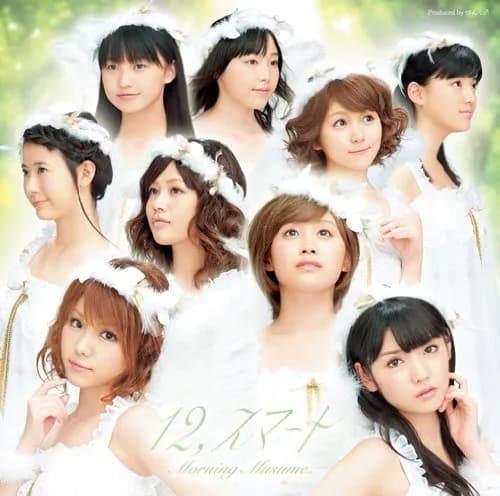
Newcomers should start with the 1999 mega-hit 'Love Machine' to understand their cultural peak, or dive into '12, Smart' for a look at their more modern, sophisticated electronic sound. It is the perfect soundtrack for moments that require a massive injection of confidence and forward-facing momentum.
Morning Musume '26 (モーニング娘。 '26, Mōningu Musume Two-Six.; lit. "Morning Girls" or "Morning Daughters"), formerly and commonly known as Morning Musume (モーニング娘。, Mōningu Musume.), is a Japanese girl group associated with Up-Front Promotion. The group was produced by singer-songwriter and record producer Tsunku, who composed the majority of their songs until 2014. Since their formation, the group has seen changes in their membership, with the current members of the group consisting of Sakura Oda, Miki Nonaka, Maria Makino, Homare Okamura, Mei Yamazaki, Rio Sakurai, Haruka Inoue, and Ako Yumigeta. After the release of their indies single, "Ai no Tane", in 1997, Morning Musume made their official debut in 1998 with the single "Morning Coffee." Their highest-selling single, "Love Machine" (1999), was the first single to reach no. 1 on the Oricon Weekly Singles Chart and sold over 1 million copies upon release. In 2012, the group held the second highest overall single sales of a female group on the Oricon Weekly Singles Chart, with the Oricon record of most top-ten singles, having 64 of them. Morning Musume is credited with the revival of the idol industry in Japan in the late 1990s. Morning Musume has been the flagship group of the musical collective Hello! Project, becoming the basis of other groups under the collective, such as Country Musume, Coconuts Musume, and Ice Creamusume. In addition, Morning Musume has spun off with multiple successful sub-units, such as Tanpopo, Petit Moni, Mini-Moni, Morning Musume Sakuragumi, Morning Musume Otomegumi, Morning Musume Tanjō 10nen Kinentai, Ecomoni, and Dream Morning Musume.
Shares dance-pop, synth-pop, disco (subgenres); studio polished, maximalist, digital clarity (production style)

Shares dance-pop, synth-pop, disco (subgenres); studio polished, maximalist, digital clarity (production style)
Shares studio polished, maximalist, digital clarity (production style); energetic, joyful, triumphant (moods)

Shares dance-pop, synth-pop, disco (subgenres); keys/synth, drum machine, electric guitar (instrumentation)
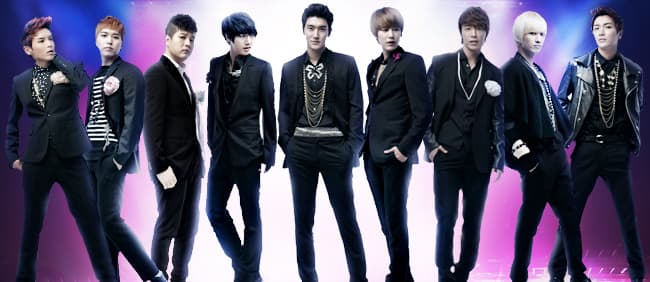
Shares maximalist, studio polished, layered dense (production style); dance-pop, synth-pop (subgenres)
Shares dance-pop, synth-pop, disco (subgenres); festival, rooftop, urban night (atmosphere)
Shares energetic, joyful, triumphant (moods); dance-pop, synth-pop, funk (subgenres)
Shares studio polished, digital clarity, maximalist (production style); energetic, joyful, triumphant (moods)
Shares dance-pop, disco, nasal, vocal layering (signature)
Shares multi voice, dance-pop, disco, triumphant (signature)
Cassette uses generative AI to enrich its catalog. How we use AI →