
戸松遥
High-energy J-pop with a theatrical flair. Bright, shimmering production meets versatile vocals that shift effortlessly from playful charm to powerful arena anthems.
High-energy J-pop with a theatrical flair. Bright, shimmering production meets versatile vocals that shift effortlessly from playful charm to powerful arena anthems.
Haruka Tomatsu delivers a sound that is the musical equivalent of a high-definition sunrise. Her music is characterized by a relentless optimism and a polished, maximalist production style that blends traditional J-pop hooks with electronic flourishes and occasional rock grit. There is a tangible sense of momentum in her tracks, often driven by driving percussion and bright, soaring synth lines that demand your attention.
What truly sets her apart is her background as a top-tier voice actress, which translates into an incredible vocal elasticity. She doesn't just sing a song; she inhabits it. You can hear the subtle shifts in her tone and delivery that suggest a deep understanding of narrative and character, allowing her to pivot from sugary, high-pitched idol pop to soulful, resonant power ballads without losing her core identity.
For those new to her catalog, starting with her debut album 'Rainbow Road' provides the perfect foundation, showcasing the variety that would define her career. If you want something more modern and punchy, 'COLORFUL GIFT' highlights her evolution into a more sophisticated, dance-oriented sound while maintaining that signature 'Sphere' era brightness.
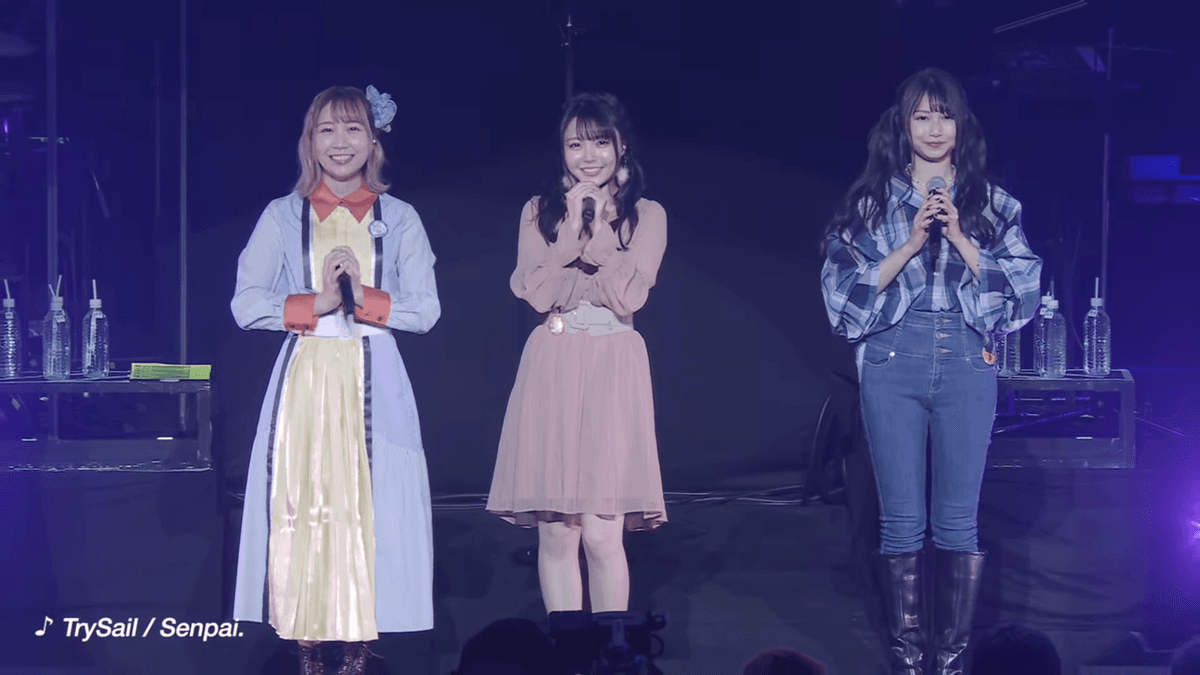
Haruka Tomatsu (戸松 遥, Tomatsu Haruka; born February 4, 1990) is a Japanese actress and singer, employed by MusicRay'n. She received the Rookie of the Year award at the 3rd Seiyu Awards and the Synergy Award at the 9th Seiyu Awards. Tomatsu is known for voicing main heroines as Asuna Yuuki in Sword Art Online, Haru Okumura in Persona 5, Zero Two in Darling in the Franxx, Lala Satalin Deviluke in To LOVE-Ru, Kyoko Hori in Horimiya, Morgiana in Magi: The Labyrinth of Magic, Eleonora Viltaria in Lord Marksman and Vanadis and Naruko "Anaru" Anjo in Anohana. Tomatsu began a singing career in 2008, performing the song "Naissance" which was used as the ending theme to the television drama series Here Is Greenwood. Her second single "Motto Hade ni Ne" was used as the opening theme to Kannagi: Crazy Shrine Maidens. In 2009, she became part of the music unit Sphere, alongside Aki Toyosaki, Minako Kotobuki and Ayahi Takagaki. She released her first album Rainbow Road in 2010, and two compilation albums in 2016.
Shares dance-pop, electropop (subgenres); studio polished, digital clarity, maximalist (production style)

Shares dance-pop, electropop (subgenres); studio polished, maximalist, digital clarity (production style)
Shares dance-pop, electropop (subgenres); studio polished, maximalist, digital clarity (production style)
Shares dance-pop, electropop (subgenres); studio polished, maximalist, digital clarity (production style)
Shares dance-pop, electropop (subgenres); studio polished, maximalist, digital clarity (production style)
Shares dance-pop, electropop (subgenres); joyful, confident, playful (moods)
Shares dance-pop, electropop (subgenres); studio polished, maximalist, digital clarity (production style)
Shares studio polished, maximalist, digital clarity (production style); joyful, energetic, confident (moods)
Shares dance-pop, electropop (subgenres); studio polished, layered dense, digital clarity (production style)
Shares dance-pop, electropop (subgenres); studio polished, digital clarity, maximalist (production style)
Shares sentimental, soprano, electropop, orchestral arrangement (mood)
Cassette uses generative AI to enrich its catalog. How we use AI →